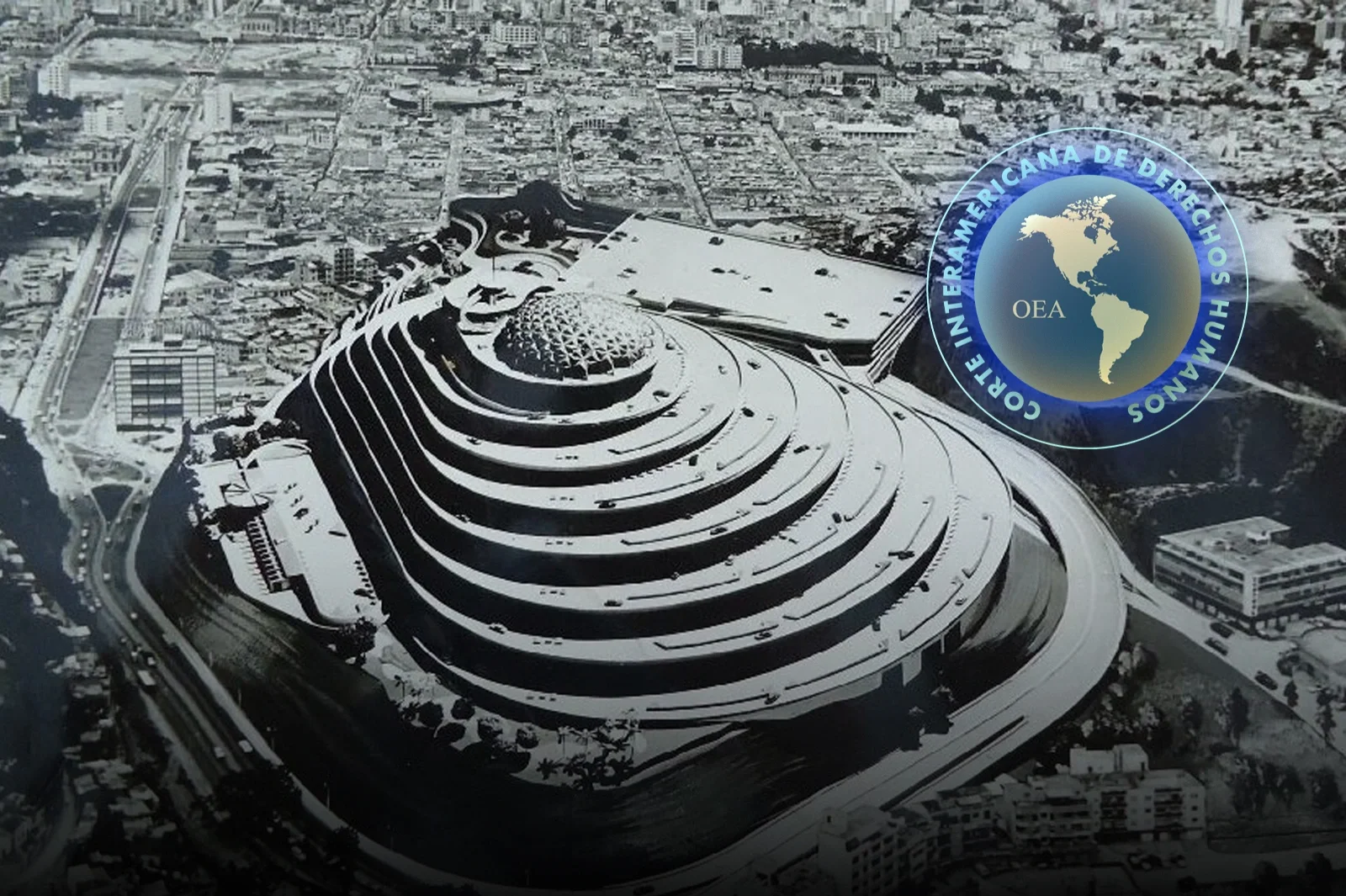
The Inter-American Court of Human Rights (IACHR) issued one of the most forceful condemnations against the Venezuelan regime this Wednesday by ordering the definitive closure of El Helicoide, a detention center that has become a symbol of political repression, torture, and systematic human rights violations reported by national and international organizations over the years.
The ruling holds the Venezuelan state responsible for the arbitrary detention, torture, and abuses suffered by student Jorge Rojas following an opposition demonstration in Caracas in 2003, during the dictatorship of Hugo Chávez. In addition to recognizing Venezuela's international responsibility, the court ordered that El Helicoide be closed within a maximum of 18 months from the official notification of the ruling.
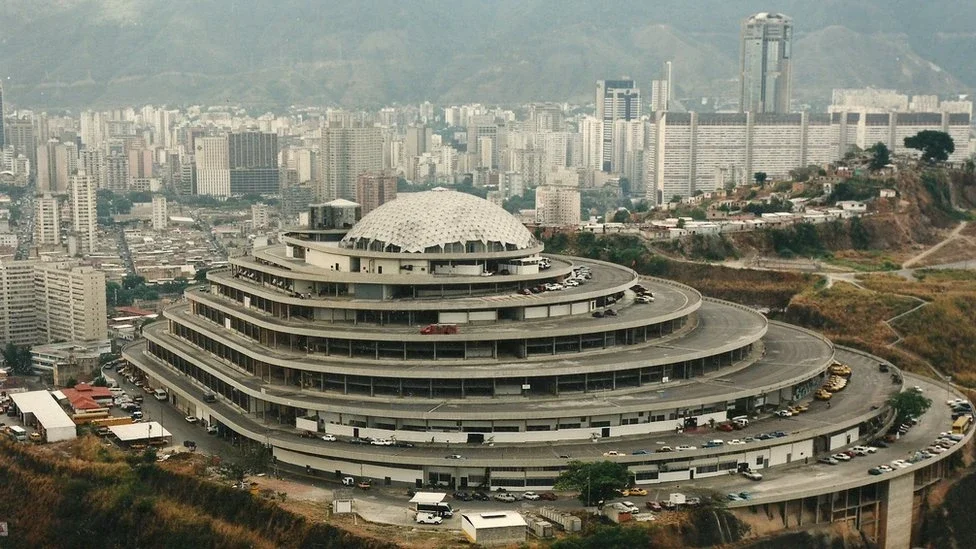
The decision represents a significant blow to the security apparatus built by Chavismo over more than two decades. El Helicoide, currently used by the regime's intelligence agencies, has been repeatedly identified by former detainees, human rights organizations, and international bodies as one of the main centers of political detention in the country.
The Inter-American Court of Human Rights ordered the closure of ''El Helicoide'', the clandestine detention center of the Chavista regime
In its resolution, the judges concluded that there is abundant evidence that demonstrates the existence of torture, cruel treatment, arbitrary detentions, and other serious violations against individuals deprived of liberty within those facilities. For this reason, they ordered that all detainees remaining at the site be transferred to centers that meet international standards for the protection of human rights.
''The Court finds it pertinent to order the State to arrange, within a period of 18 months from the notification of this ruling, the closure of the detention center 'El Helicoide','' states the ruling.
The magistrates also highlighted that numerous investigations conducted by international organizations documented for years patterns of abuse within the facility. Among the cited sources is the Independent International Fact-Finding Mission on Venezuela, created by the United Nations Human Rights Council, which concluded in several reports that Venezuelan state agents committed serious and systematic violations of fundamental rights.
The Court maintained that the abuses recorded at El Helicoide are not isolated incidents, but part of a persistent pattern of action by security agencies linked to the Chavista regime. According to the ruling, there is sufficient evidence to conclude that numerous detainees were victims of physical and psychological torture while in state custody.
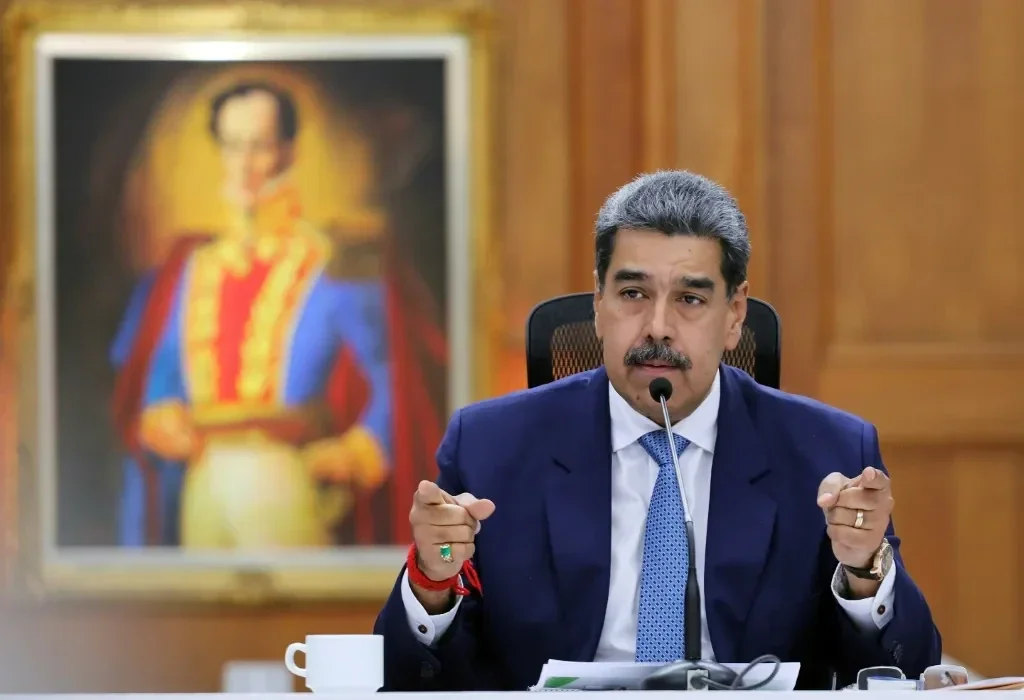
The communist regime of Nicolás Maduro used El Helicoide for years to commit multiple crimes against humanity
The specific case that led to the condemnation dates back to September 19, 2003, when Jorge Rojas was arrested during a demonstration at Plaza Francia in Altamira, one of the main protest hotspots against Chávez's government. The judges determined that the Venezuelan authorities violated his right to participate in a peaceful protest and improperly restricted fundamental freedoms such as freedom of expression, thought, and political participation.
The ruling details the abuses suffered by Rojas during his detention. According to the Court's findings, the student was beaten in various parts of his body, threatened with sexual violence, subjected to constant humiliation, pointed at with firearms, and forced to endure mock executions, behaviors that were classified as acts of torture.
The magistrates also harshly criticized the actions of Venezuelan institutions for failing to adequately investigate the events. According to the ruling, the State failed to fulfill its obligation to identify and sanction those responsible, fostering a climate of impunity that allowed similar abuses to be repeated for years.
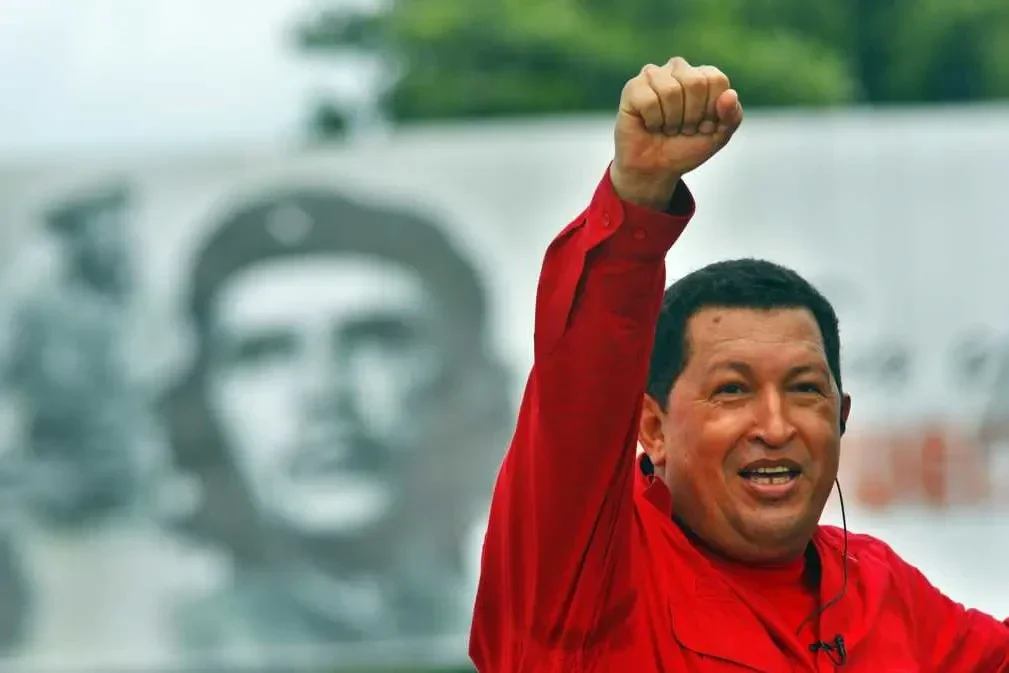
The verdict that culminated in the operation of El Helicoide was based on the case of Jorge Rojas, a student detained during Hugo Chávez's dictatorship
Although Rojas was later convicted of various ''crimes'' and remained subjected to judicial processes for several years, the Court concluded that the State violated multiple fundamental guarantees throughout the procedure. His criminal responsibility was ultimately extinguished in 2009.
The order to close El Helicoide takes on special significance because the complex has become one of the most recognized symbols of political repression in Venezuela. Originally conceived in the 1950s as an ambitious commercial and architectural center, the building ended up being occupied by regime agencies and transformed into the headquarters of intelligence services.