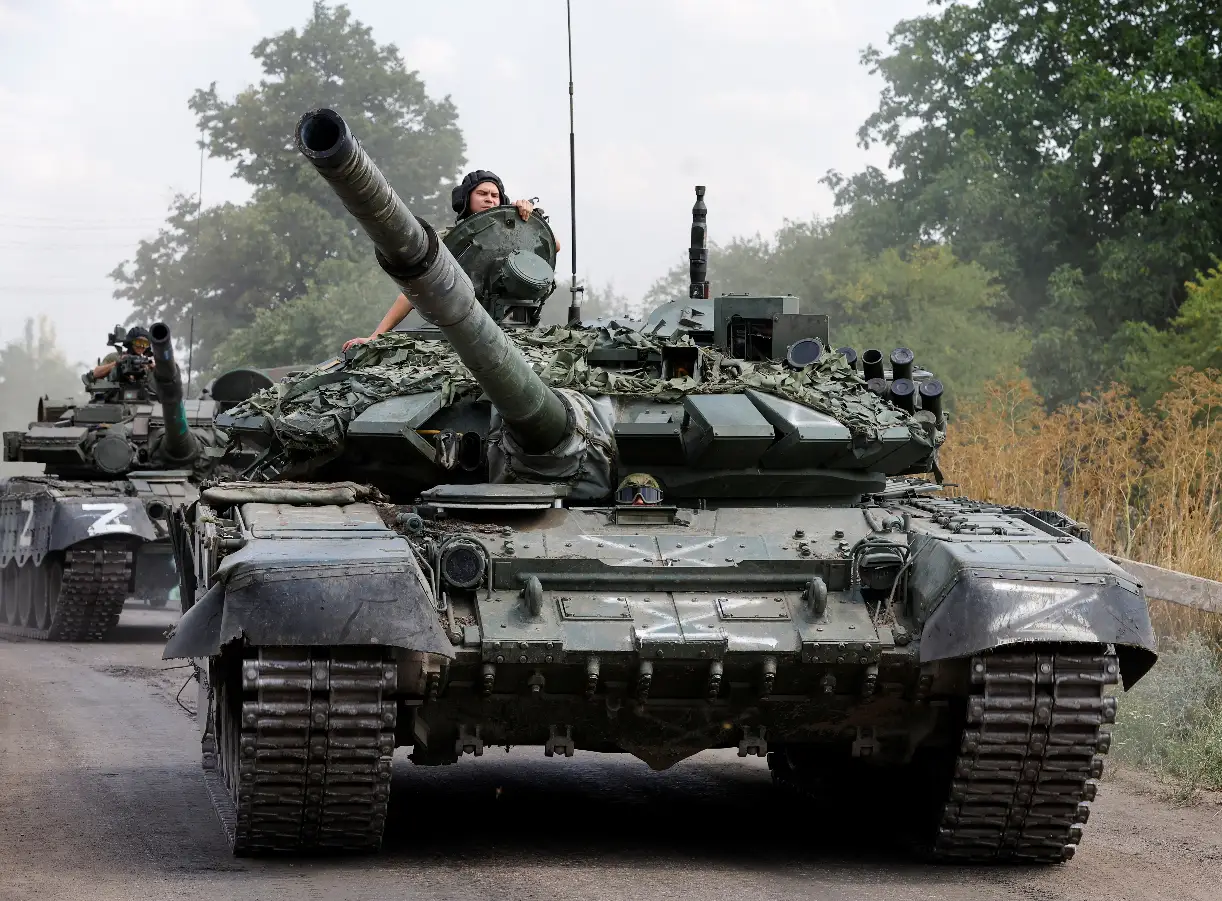
This flow of weapons is considered central to sustaining Russian military operations in Ukrainian territory, making the attack a direct blow to one of its main supply routes.






The attack occurs as part of a broader strategy aimed at weakening the Kremlin's logistical capacity
This flow of weapons is considered central to sustaining Russian military operations in Ukrainian territory, making the attack a direct blow to one of its main supply routes.





The Armed Forces of Ukraine carried out a direct attack against vessels transporting Iranian weapons to Russian territory.
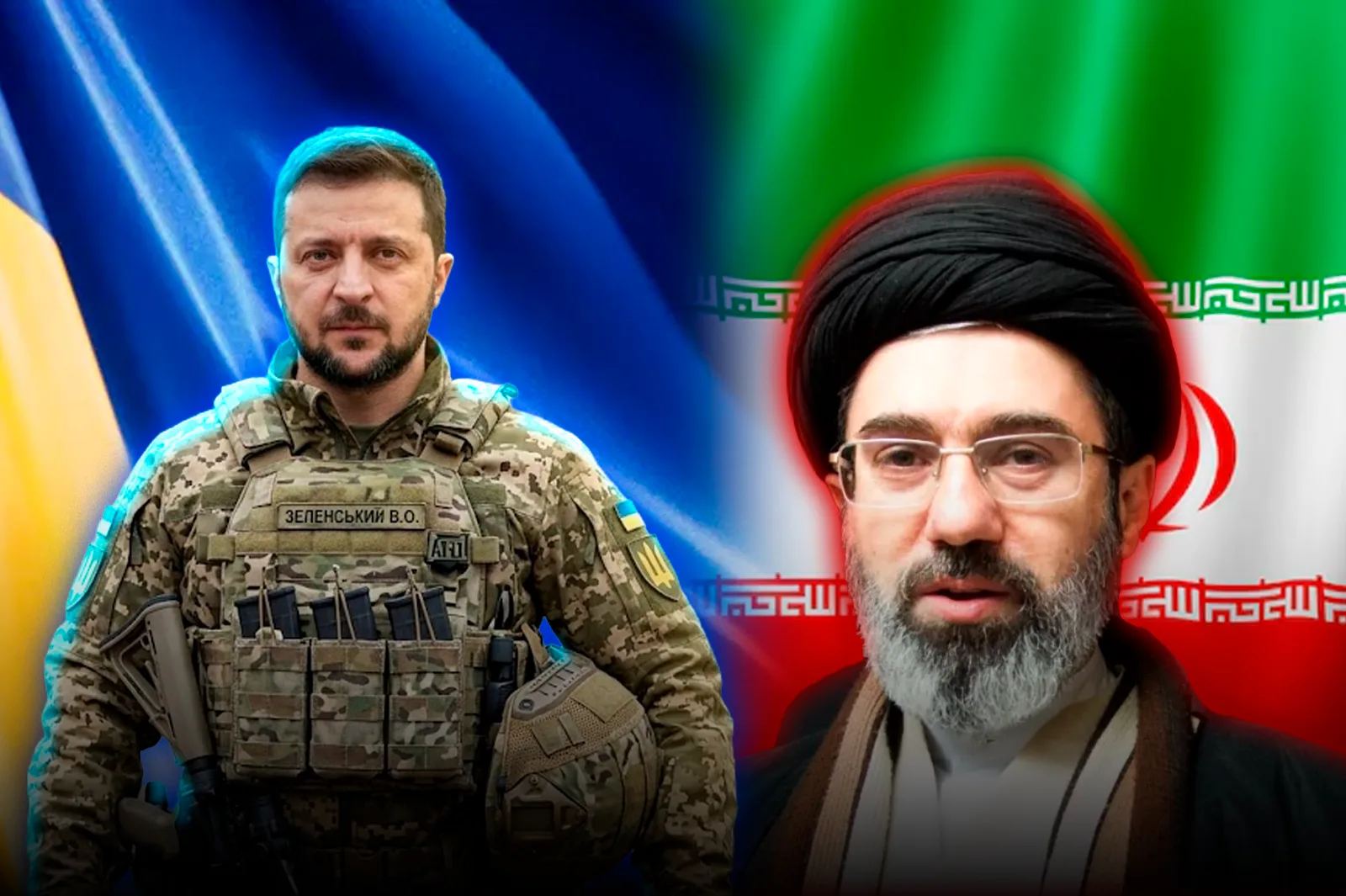
The offensive, which struck two cargo ships in the Caspian Sea, provoked an immediate reaction from the terrorist regime of Iran and heightened tensions in a conflict that already has multiple indirect actors.
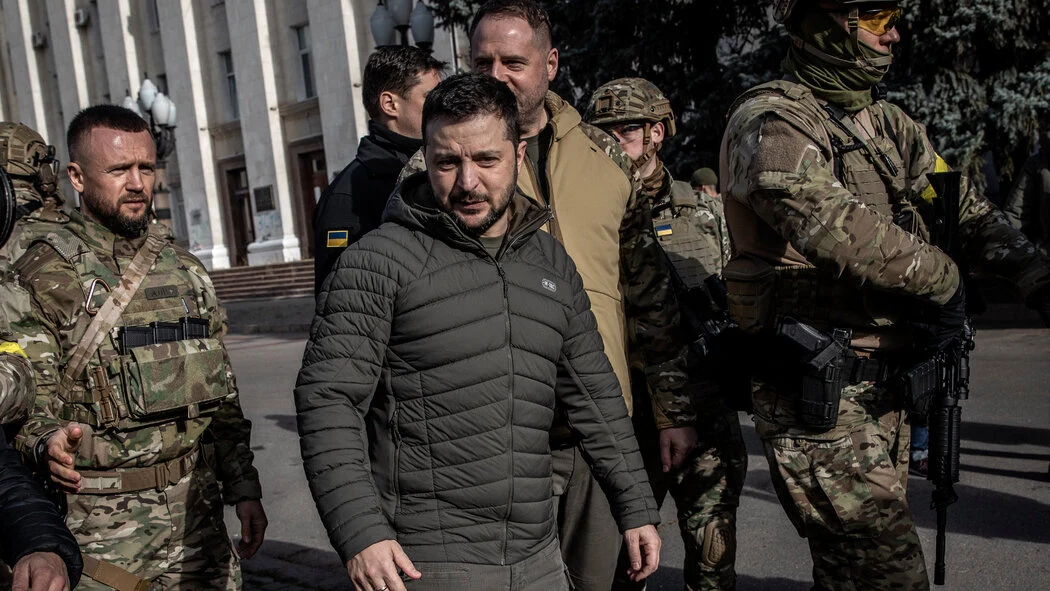
According to official Ukrainian information, the operation was carried out by the Security Service of Ukraine on the night of the 24th to the 25th, as part of a broader strategy aimed at weakening the Kremlin's logistical capacity.
In addition to destroying strategic radars, including guidance systems for S-400 anti-aircraft batteries, Ukrainian forces targeted the vessels Port-Olia 2 and Begay.
According to Kiev's intelligence, both vessels were part of a key maritime corridor used for the transport of Shahed drones, ballistic missiles, and other types of military equipment supplied by Iran to Russia.
Beyond the immediate tactical impact, the offensive has broader geopolitical implications. The fact that Ukraine has decided to attack assets linked to Iran reinforces the connection between the war in Eastern Europe and other global flashpoints, especially those involving Tehran, Israel, and Western powers.
The Iranian response was swift. From their Foreign Ministry, they described the attack as “a hostile and criminal act” that violates the United Nations Charter. They also insisted that Iran “has never intervened” in the war between Russia and Ukraine, while warning that they reserve the "right to respond."
The tone hardened even further from the Iranian Foreign Ministry, where they stated that “what the freeloader from Kiev did cannot go unanswered,” and accused the government of Volodymyr Zelensky of acting under external influence, specifically pointing to Israel.
In this context, the episode reaffirms that the conflict has ceased to be a strictly bilateral confrontation and has transformed into a global dispute board.