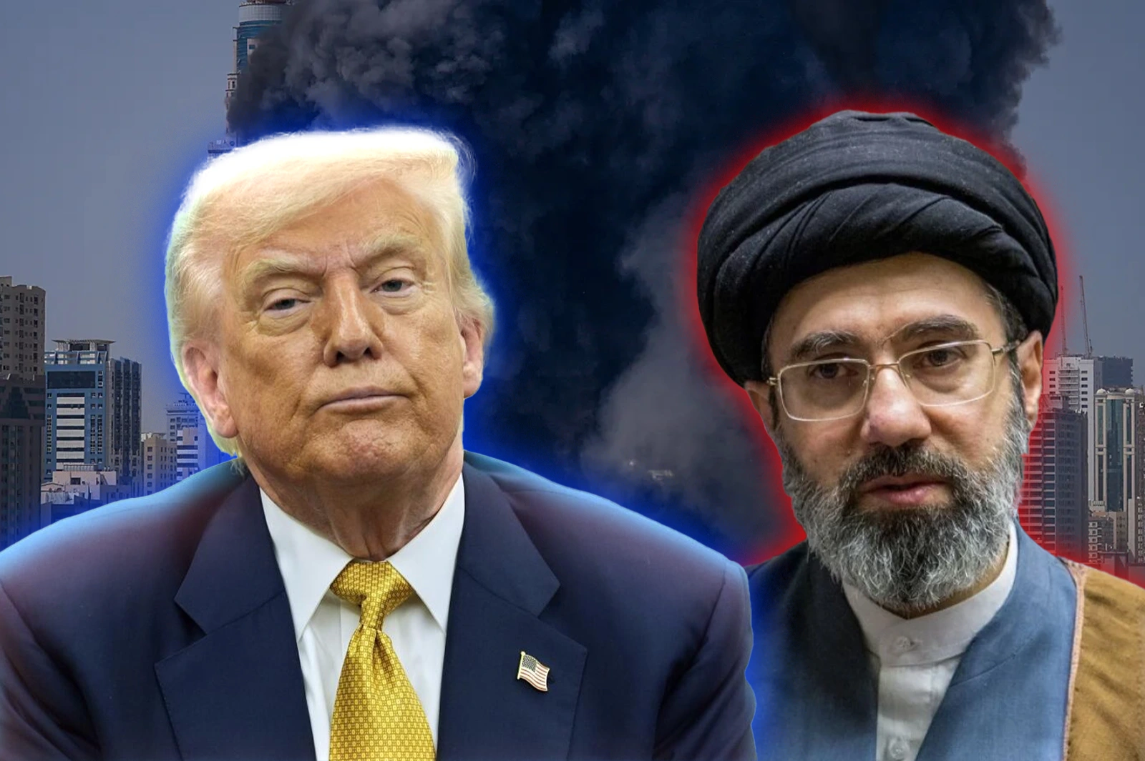

In a new increase in tensions in the Middle East, the Iranian regime attacked Emirati oil facilities and sparked a response from the United States.
Compartir:
The crisis in the Strait of Hormuz intensified this Monday after an attack on the United Arab Emirates that has raised the risk of regional escalation. Emirati authorities reported that an oil tanker linked to their state company was hit in the area, while air defense systems intercepted multiple threats, including ballistic missiles, cruise missiles and drones. One of the impacts caused a fire in the Fujairah oil port, a key infrastructure for the export of crude oil outside the strait
.
The attack, which left at least three injured according to local sources, has been described by Abu Dhabi as a “dangerous escalation”. The Emirates noted that the projectiles were coming from the direction of Iran, which has rekindled tensions with Tehran at a particularly sensitive time. The resumption of such actions breaks with the relative calm that had followed the ceasefire reached in early April between Iran and the United States
.
The incident in Fujairah is particularly sensitive because of the strategic importance of the enclave. Located outside the strait, the port allows the Emirates to maintain energy exports even when transit through Hormuz is restricted. An attack at this point not only affects the Emirati economy, but it sends a signal of vulnerability to international markets. In fact, after the news broke, the price of Brent crude oil exceeded $115 per barrel, reflecting the fear of prolonged interruptions in
global supply.
At the political level, the regional reaction was not long in coming. Gulf countries, such as Qatar, condemned the attack and called for the immediate reopening of the strait. In addition, Iranian state media intensified the rhetoric, warning that the Emirates and their interests could become targets if they take an active stance against Tehran. These statements have been interpreted as a sign of pressure that further complicates any attempt at de-escalation.
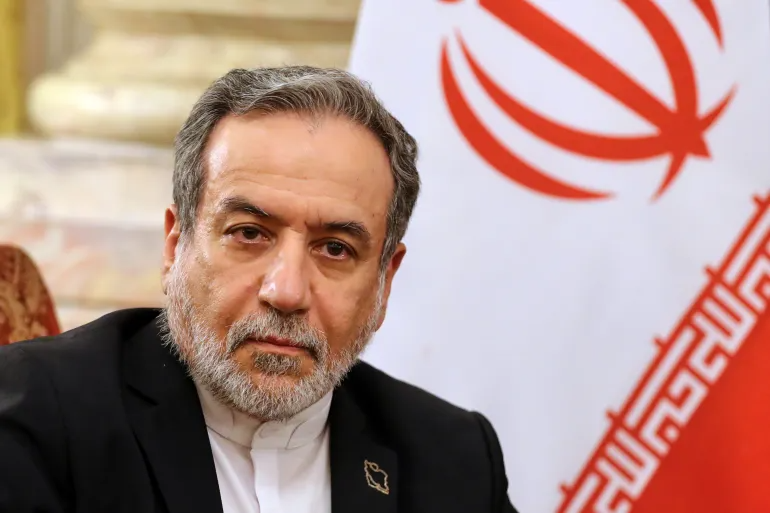
In this context, the Iranian position has generated strong criticism. Although the Foreign Minister, Abbas Araghchi, insisted that “there is no military solution to a political crisis”, the facts reported by

the Emirates suggest otherwise.
Attacking or allowing attacks against energy infrastructure and ships in transit in countries that are not leading military operations represents an expansion of the conflict that is difficult to justify from a diplomatic perspective. This contradiction weakens the credibility of Iranian discourse and increases
international pressure. Iran's foreign minister tried to downplay the events that took place earlier this week
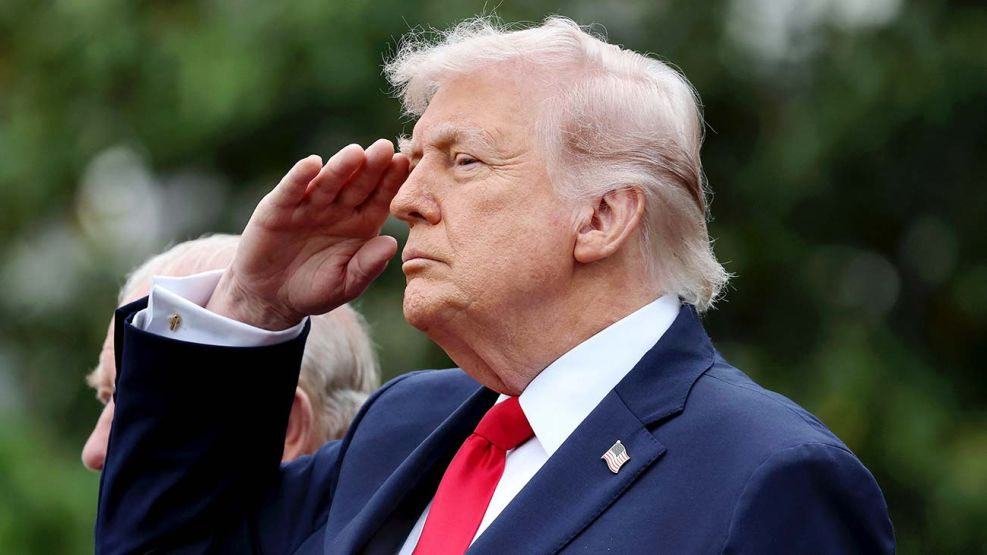
In parallel with these events, the United States has intensified its military presence in the area in order to ensure safe navigation. President Donald Trump claimed that U.S. forces destroyed seven Iranian fast boats in the strait, in response to threats against civilian vessels. According to the Pentagon, navy helicopters carried out the attacks, although Iran denied that such actions occurred
.
The operation, called “Project Freedom”, seeks to escort merchant ships that have been trapped in the Gulf since February, when the conflict intensified after US and Israeli bombings against Iranian targets. Since then, transit through the strait has been limited, affecting thousands of seafarers and more than 2,000 vessels from dozens of countries
.
As part of this effort, the shipping company Maersk reported that one of its ships flying the American flag managed to leave the Gulf under military protection without incident. This movement represents a first step in the reactivation of maritime traffic, although great uncertainties still persist about the viability of maintaining safe corridors in
a highly militarized area. Donald Trump said that U.S. military forces destroyed at least seven Iranian regime vessels
The U.S. military command in the region has indicated that it will continue to promote the transit of ships, arguing that many of them are “neutral and innocent actors” caught up in the conflict. However, the presence of military forces and recent incidents increase the risk of direct confrontations or miscalculations
.
The situation in the Strait of Hormuz remains highly volatile, with cross-accusations and strategic moves that could lead to further escalation. The attack on the United Arab Emirates marks a turning point, expanding the conflict to key regional actors and highlighting the fragility of the ceasefire. In this scenario, the international community observes with growing concern how one of the most important routes of world trade is once again becoming a source of instability with global consequences