Iran has dramatically expanded its offensive against the United States and attacked U.S. military installations in the United Arab Emirates and Kuwait, bringing the number of Middle Eastern countries where Tehran has launched attacks against positions linked to American forces to five.
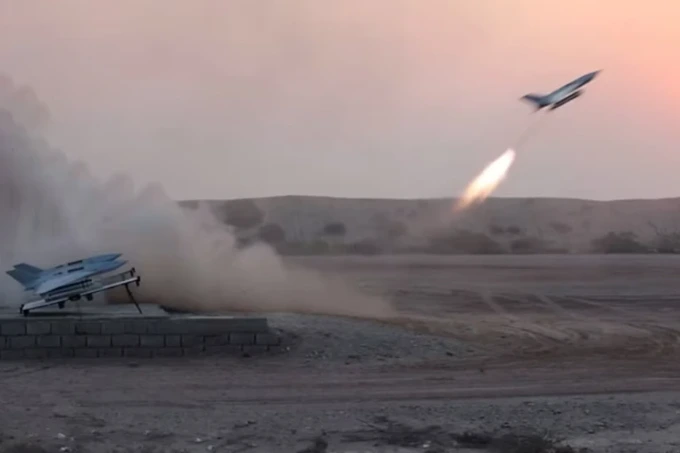
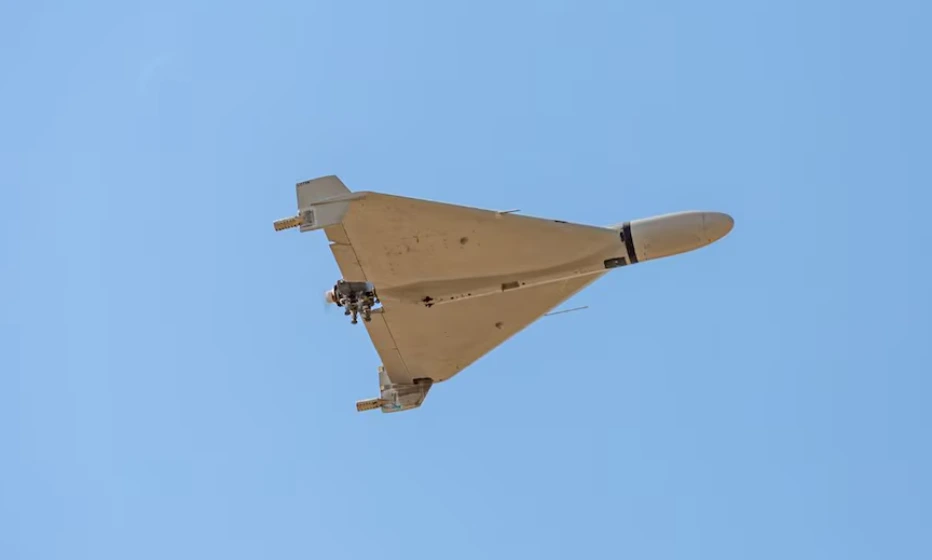
The new escalation occurred while President Donald Trump maintains the threat of responding with new attacks against the Islamic Republic. The Iranian military confirmed that its forces used missiles and drones against U.S. installations in the Persian Gulf.
The attack represents a significant expansion of the conflict and increases the risk of a larger regional confrontation.
Iran attacked a U.S. base in the United Arab Emirates
The Iranian military confirmed that one of the targets was the Al Minhad airbase in the United Arab Emirates.
According to a statement released by Iranian state television, missiles and drones hit U.S. radar systems installed at the base.
The confirmation of the attack against the UAE is particularly relevant because it expands the number of countries affected by the Iranian offensive against the U.S. military presence.
Iran attacked a U.S. base in the United Arab Emirates
Tehran also acknowledged attacking U.S. military targets in Kuwait, using missiles and drones against the Ahmad al Jaber airbase.
The Iranian forces claimed that their attacks were aimed at satellite communication systems, equipment depots, and hangars used by combat aircraft.
Five countries under Iranian attack
With the new attacks, Iran has extended its offensive against U.S. targets to five Middle Eastern countries: Jordan, Bahrain, Iraq, the United Arab Emirates, and Kuwait.
The geographical dimension of the attacks shows that the conflict has ceased to be concentrated exclusively in Iranian territory and has begun to directly involve a significant portion of the U.S. military infrastructure deployed in the region.
The Iranian security chief, Mohsen Rezaei, also warned that Tehran has adopted a “new strategy” in the conflict and issued a direct threat to Washington.
Five countries under Iranian attack
According to the Iranian official, Tehran's new strategy aims to “destroy its foundations”.
The statement raises concerns about a possible new wave of attacks against U.S. and Washington ally installations in the Middle East.
Trump threatens to respond to Iran
The Iranian offensive comes after the United States resumed attacks against targets in Iran.
Washington justified the bombings as a measure aimed at preventing Tehran from laying sea mines in the Strait of Hormuz, one of the most important strategic routes for global energy trade.
The United States acknowledged that its attacks resulted in at least 19 deaths in Iran.
The response from Tehran began that same Sunday with attacks against U.S. positions in Jordan and the United Arab Emirates and later extended to Kuwait.
Trump maintains a maximum pressure stance against the Iranian regime and has left open the possibility of new military actions if Tehran continues to attack U.S. targets.
This is compounded by the economic pressure driven by Washington. U.S. Energy Secretary Chris Wright promised a campaign of “absolute maximum pressure” against the Islamic Republic's trading partners.
The Strait of Hormuz becomes the main focus of tension
The escalation also has an economic dimension. The Strait of Hormuz is a crucial route for global oil and gas transport, so any prolonged disruption could have consequences for international markets.
Iran maintains an effective blockade of the strait, while the United States responded with a counter-blockade of Iranian ports.
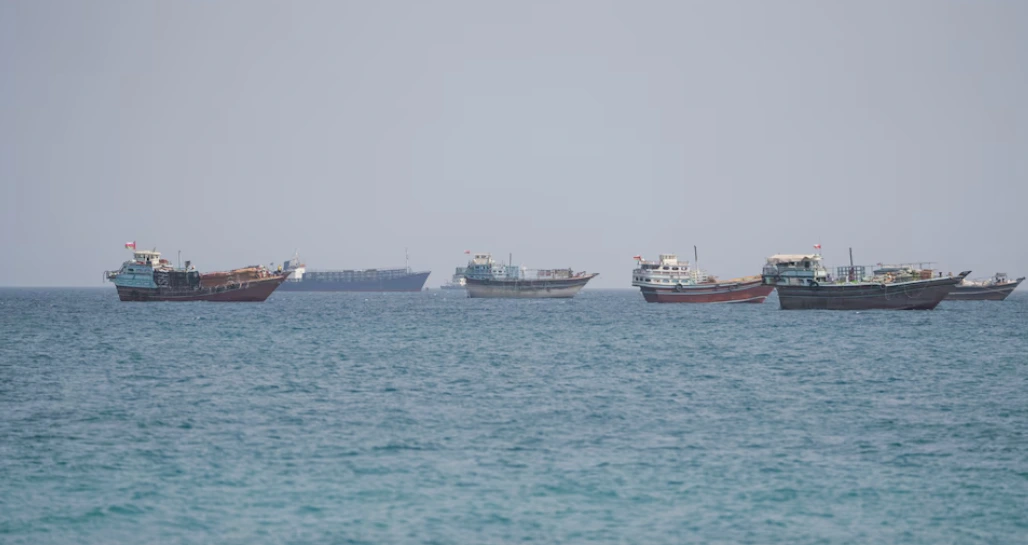
The situation worsened after attacks on commercial vessels. Two ships were sunk during incidents whose authorship was not officially recognized, and one of those attacks resulted in the deaths of two Filipino sailors.
Amid the tension, Trump even suggested on social media the possibility of calling the strait “Trump Strait”, although he later clarified that it was a joke.
Israel warns it will respond with force
As Iran expands its attacks against U.S. positions, Israel is also closely monitoring the regional escalation.
Israeli Defense Minister Israel Katz warned that the Israel Defense Forces are prepared to respond “with great force” if Iran decides to attack the country during the upcoming Jewish holidays.
“For now, they are attacking us throughout the region except for us,” Katz stated during a conference organized by Israeli media.
The warning reflects the delicate scenario facing the Middle East: Iran has expanded its attacks against the United States, Washington threatens new reprisals, and Israel remains prepared to intervene if Tehran opens a new front.
With the expansion of attacks towards the United Arab Emirates and Kuwait, the conflict is acquiring an increasingly regional dimension and increasing the risk that a new offensive will directly involve more countries.