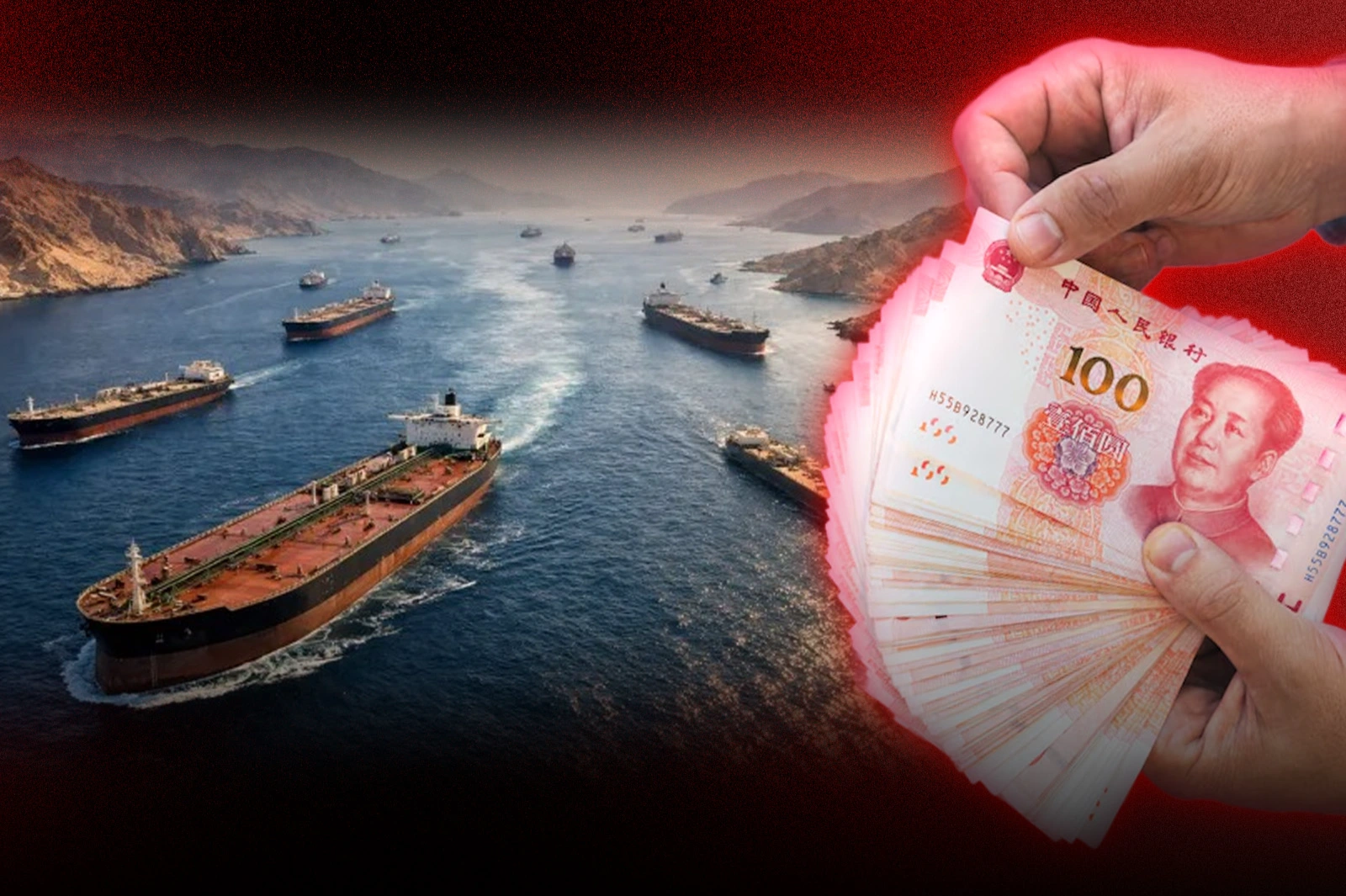

Iran wants to condition the passage of oil tankers through the Strait of Hormuz on payments in yuan
porEditorial Team
Argentina
The terrorist regime in Khamenei extorted oil tankers, urging them to pay in yuan if they want to use the passage through Hormuz.
Tensions in the Persian Gulf continue to rise after U.S. officials revealed that Iran is considering allowing a limited number of tankers to pass through the Strait of Hormuz, but only if the transported oil is sold in Chinese yuan instead of US dollars.
According to a senior United States official quoted by, Tehran is developing a new strategy to control the flow of oil tankers along this key maritime route. The strait is one of the most important energy corridors in the world, since about 20% of the oil and gas traded globally transits through it
.
International trade in crude oil is carried out mostly in US dollars. The exceptions have mainly arisen in sanctioned countries, such as Russia, which in some cases has sold oil in rubles or yuan following
Western sanctions. The Iranian ambassador to India assured that there are Indian oil tankers circulating through the strait
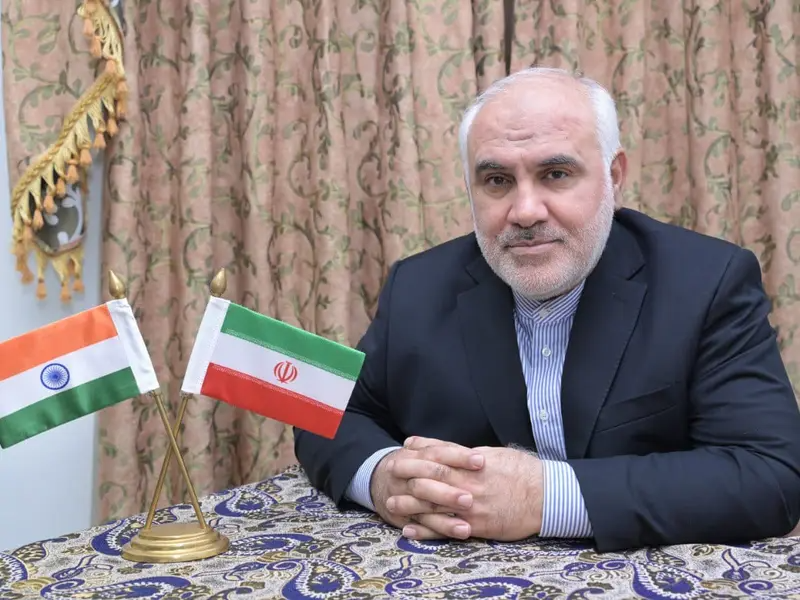
While the new transit system is being evaluated, the Iranian ambassador to India, Mohammad Fathali, confirmed that Iran allowed some Indian ships to pass through the strait. Two tankers carrying liquefied petroleum gas managed to cross the waterway, although 22 vessels flying the Indian flag remain west of the strait, waiting for authorization to continue
their route.
Maritime transit through the Strait of Hormuz has been severely affected since the United States and Israel launched attacks on Iranian targets on February 28, causing a sharp escalation of the regional conflict. The interruption of oil tanker traffic has driven international oil prices to their highest levels since 2022
.
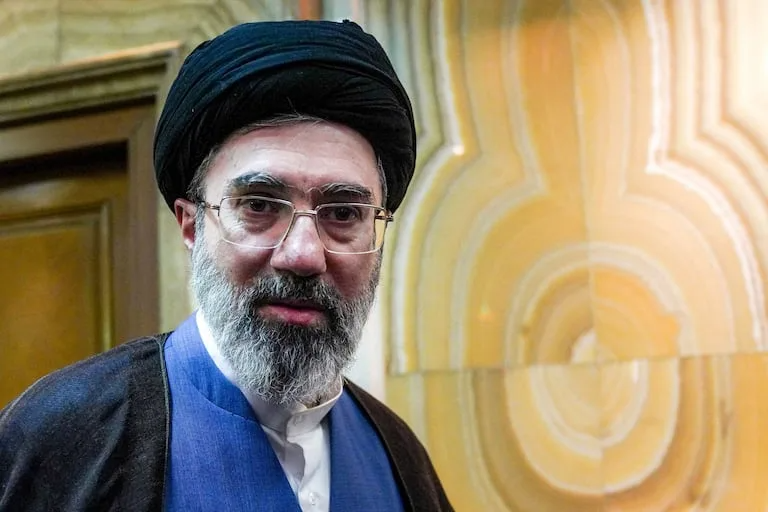
The Iranian tyrant, Mojtaba Khamenei, who succeeded his father in power, promised to keep the strait closed as long as the conflict continues. However, he indicated that the situation could change depending on Iran's interests.
the country's oil export center. Located about 30 kilometers off the Iranian coast, the island processes approximately 90% of the oil that Iran exports abroad
.
U.S. officials also indicated that the U.S. Navy could escort oil tankers through the Strait of Hormuz along with an international coalition if the military situation allows it.
The Iranian strategy of restricting maritime traffic has generated criticism among Western analysts and governments, who believe that using control of the strait as a political tool threatens the stability of global energy trade. A prolonged blockade could affect not only oil, but also the transportation of essential goods.
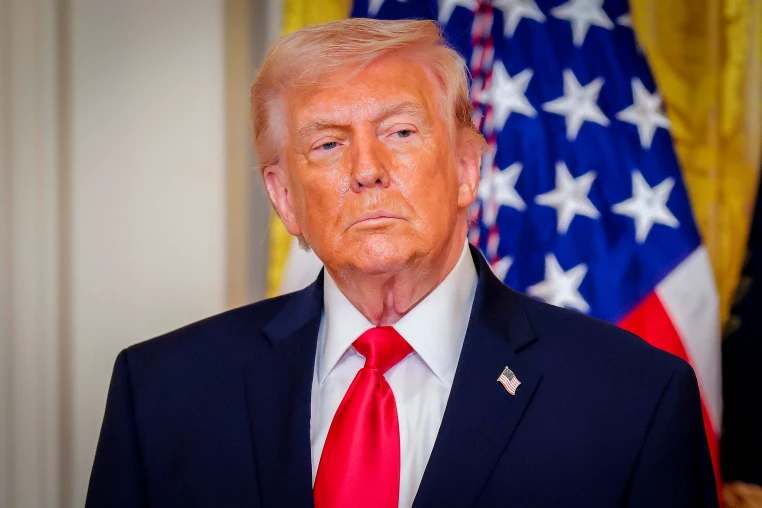
President Trump recently announced the attack on military targets on the Iranian island of Kharg
The criticism also extends to China, one of the main buyers of Iranian oil and a potential beneficiary of the yuan payment system that Tehran would be considering. Analysts point out that energy cooperation between the two countries could help weaken the dollar's role in oil trade and reduce international pressure
on Iran.
United Nations officials have warned that any prolonged restrictions on transit through the Strait of Hormuz could have serious economic and humanitarian consequences, affecting the global energy supply and making it more expensive to transport essential products such as food, fertilizers and medicines.