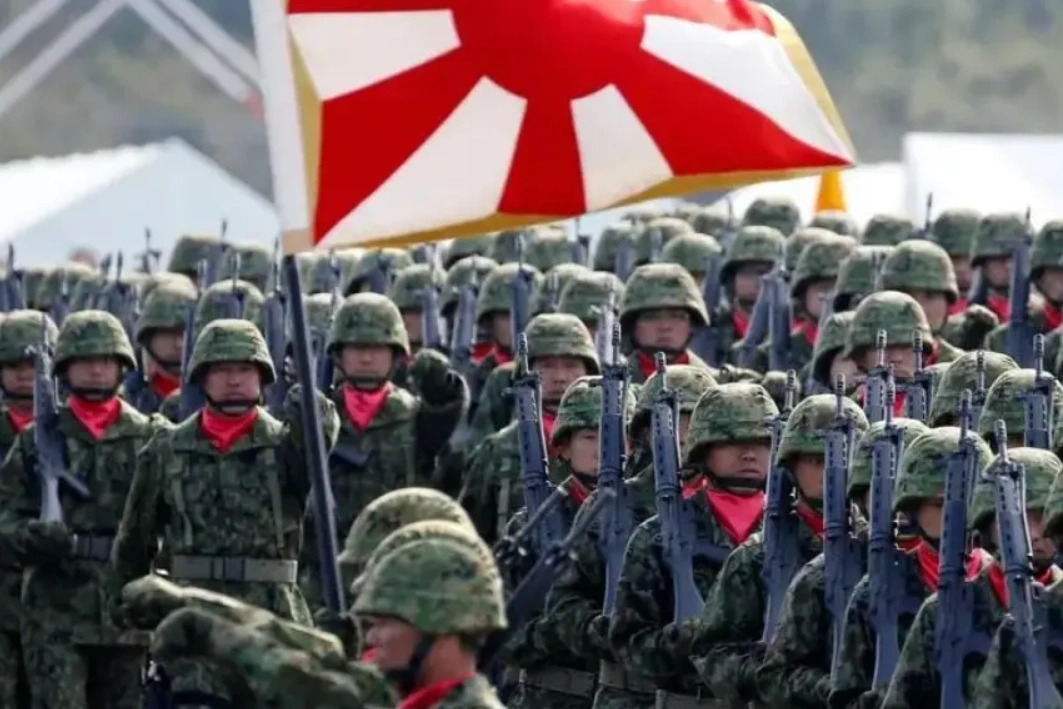
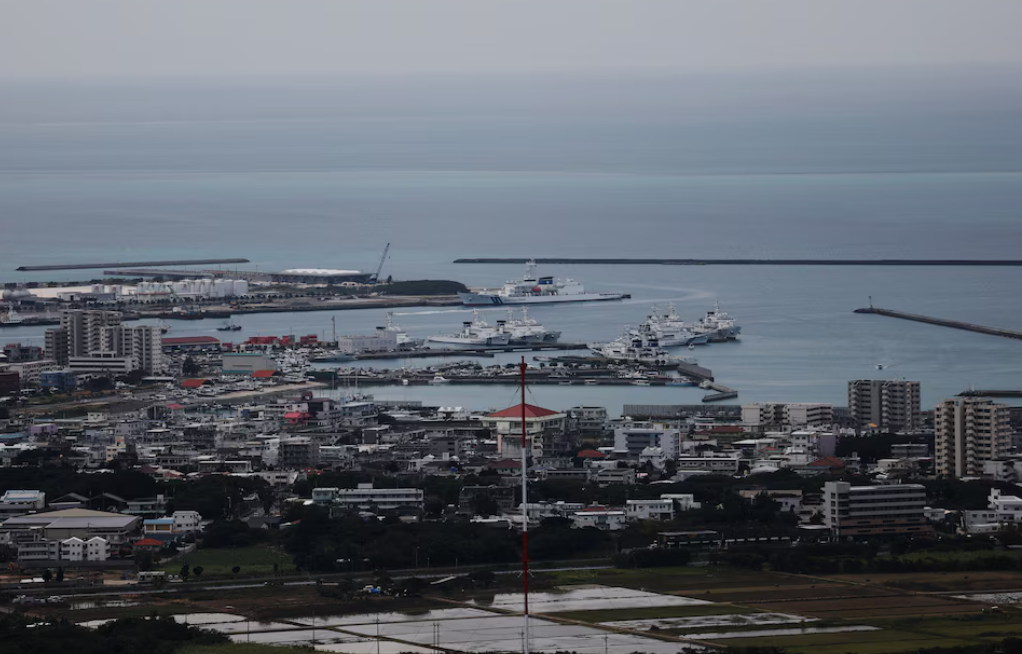
Japan is undergoing the biggest military transformation in its recent history. Faced with the aggressive advance of the Chinese regime, Tokyo began to fortify a chain of strategic islands close to Taiwan to prepare for a possible conflict
.
The deployment includes more than 10,000 soldiers, new bases and advanced missile systems, in a clear sign of alignment with the United States to contain Beijing.
China's military advance forces Japan to react
For years, the military gap between Japan and China skyrocketed
.
While in 2005 both countries had similar levels of expenditure, today China exceeds USD 300 billion, multiplying Japanese investment several times.
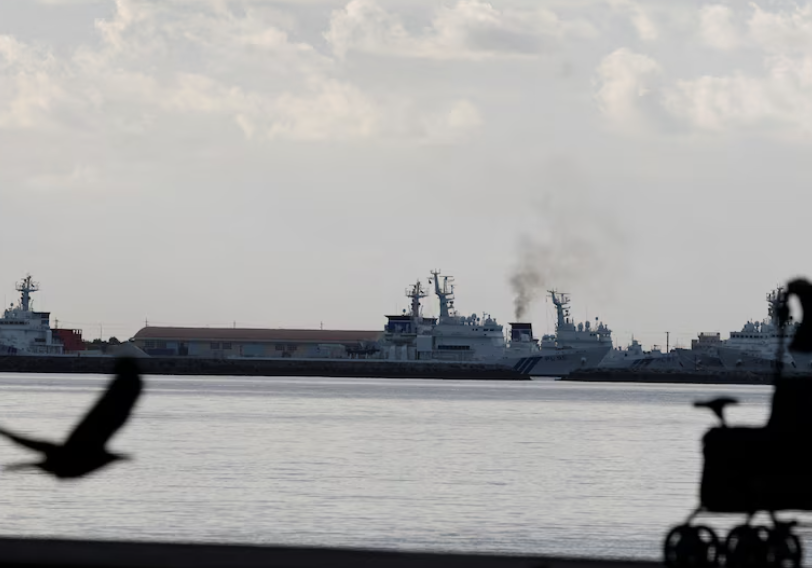
This growth was accompanied by increased pressure in the region, especially on the Senkaku Islands, controlled by Japan but claimed by Beijing.
The “first island arc”: the key to Japanese defense Japan's
strategy focuses on the so-called “first island arc”, a chain that runs from Kyushu to Yonaguni, less than 110 kilometers from
Taiwan.
This area is critical. Controlling it means:
Limiting Chinese naval advance
Protecting strategic routes
Defending Japanese territory
In 2022, even Chinese missiles hit near these islands during military
maneuvers.
From passive defense to real deterrence strategy
,
Japan is abandoning its historic
limited defensive posture.
Now he is betting on a stronger doctrine: deterring China by increasing the cost of any attack.
This involves not only defending yourself, but also being able to respond.
State-of-the-art missiles, bases and technology
The reinforcement includes advanced systems:
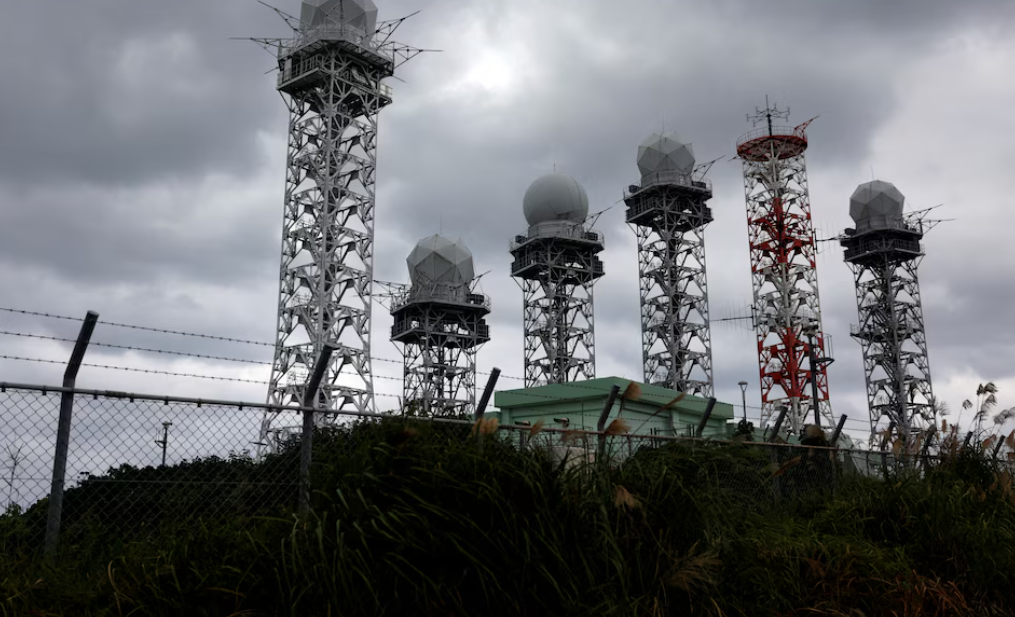
Patriot anti-aircraft batteries, state-of-the-art radars and electronic warfare capabilities were deployed
.
In addition, Japan purchased 400 Tomahawk missiles from the United States, with a range exceeding 1,600 kilometers.
It also develops its own weapons, such as hypersonic projectiles that will be operational in the coming years.
Japanese leaders warn that if China takes Taiwan, the country's security would be seriously compromised.
The conflict, in practice, is inseparable from Japanese defense.
A strategy to curb China without equaling it
Japan does not seek to compete in
quantity of weapons.
Its objective is another: to make any Chinese offensive unfeasible.
This includes blocking key routes and hampering the movement of aircraft carriers in the region.
Internal tensions and fear in the islands
Military deployment also generates local resistance.
Some residents fear that their territories will become priority targets in the event of war.
However, the Japanese government is moving forward with the plan given the magnitude of the threat.
A region on the brink of a new conflict
,
China continues to expand its military presence and increase pressure on its neighbors
.
Japan, in response, is accelerating its rearmament and is preparing for a scenario that a few years ago seemed unthinkable.
The West reorders itself in the face of the Chinese advance
Japan's move reflects a broader change
.
The United States and its allies are reconfiguring their strategy to contain China.
The Indo-Pacific region is consolidating itself as the new epicenter of global tension.