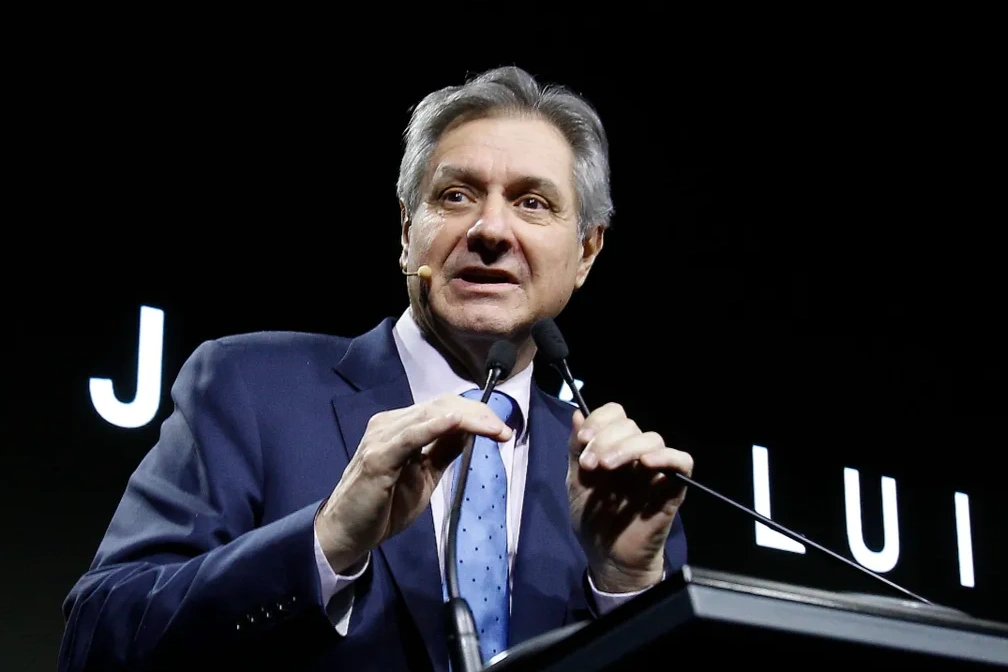

In a historic turn that marks the end of decades of decline and statistical manipulation, the Argentine Republic consolidates its path to macroeconomic stability under the watchful eye of global markets. The administration of President Javier Milei, through his economic team, has made it clear that the era of patches and unrestrained spending to buy wills at the polls is definitely over. In this context of rational optimism, the Secretary of Economic Policy, José Luis Daza, was in charge of inaugurating the prestigious “Inside Argentina 2026" conference, held at the Four Seasons Hotel
Buenos Aires.With the authority granted by the success of the implemented policies, Daza sent a strong message that sounds like a death sentence for the old populism: “We are not going to stimulate the economy artificially to win the elections.” This commitment to fiscal discipline and monetary discipline comes just 24 hours after Fitch Ratings decided to raise Argentina's sovereign debt rating to “B-”, an explicit recognition of the reform agenda promoted by the
Executive.
The official argued that Argentina not only deserves this improvement, but that the current fundamentals demand that rating agencies continue to raise the country's score, moving it away from the ranks shared with nations in crisis to return it to the place of international relevance that
it should never have lost.Daza was relentless in detailing that the government will not give in to political pressure in the face of the presidential elections of 2027. “There's one thing we're not going to do. We are not going to stimulate the economy artificially with fiscal tricks, with fiscal spending, with temporary tax cuts to win an election. We are not going to do it, we are not going to abandon fiscal discipline. That's number one,” emphasized the secretary, stressing that the absolute priority is the fiscal surplus and the definitive eradication of inflation.

“Nor are we going to abandon monetary discipline,” he said, sharply differentiating this management from previous cycles where the proximity of the elections activated fictitious stimulus plans that ended in exchange rate crises and devaluations. For the government, trust is earned with consistency, not with “fiscal and monetary tricks”
.With regard to insertion in the global financial market, the picture is extremely encouraging. Despite the fact that the country is currently refusing to issue debt at high rates to protect fiscal dynamics, Daza said: “We are not far from returning to the markets.” The economic team projects that, by 2027, when significant maturities accumulate, market recognition of the strength of the economic program will allow for significantly lower interest rates and longer terms