
The governor of the province of Buenos Aires, Axel Kicillof, told the Government of Javier Milei to control prices to stop the increase in
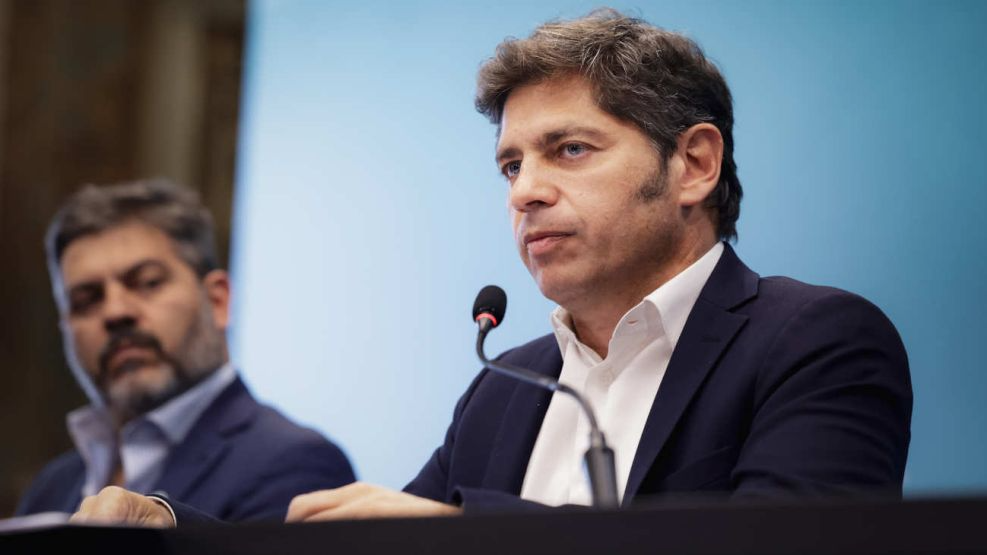
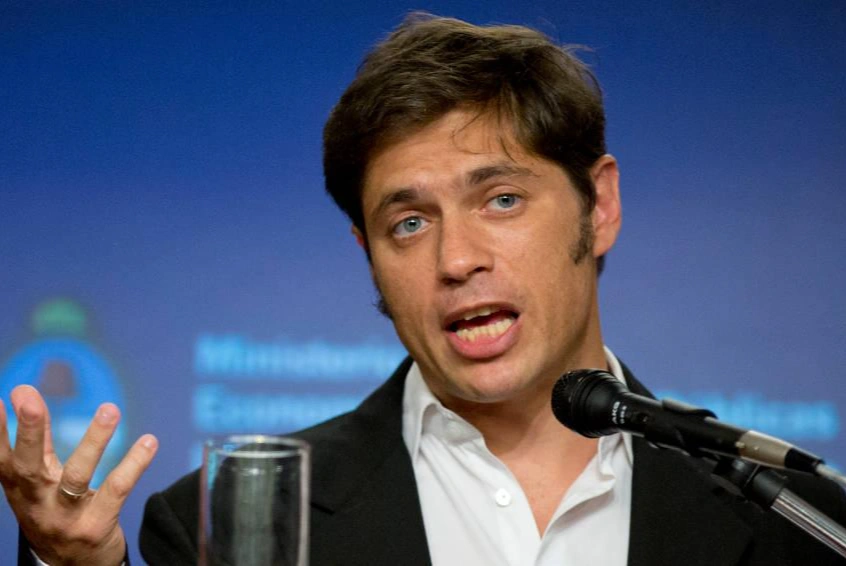
fuels, a measure carried out by Kirchnerism in the past, and which generated devastating consequences.During a press conference at the Buenos Aires Government House, the ultra-Kirchner leader demanded: “I call on the Government to take care of people's pockets; that's why we have a national YPF, to have a policy around the price of domestic fuels, especially when we have already achieved self-sufficiency.”
The governor also defended state control of YPF and questioned the successful model of Javier Milei's government. “The model that Milei wants is to hand over the natural resource and lose the opportunity to generate national industry and productive chains,” he said
with lies.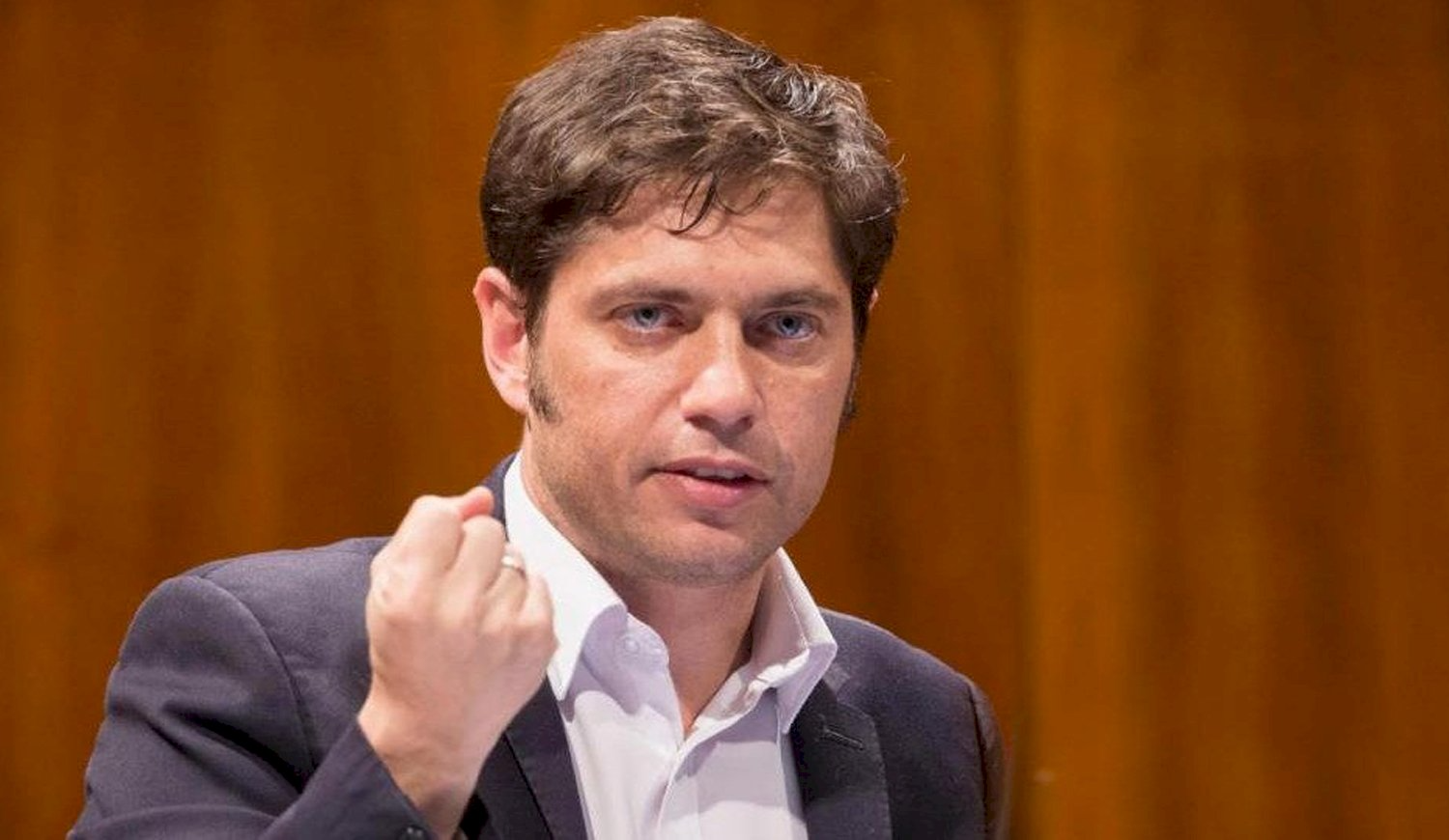
Kicillof's dangerous proposal However, Kicillof
's approach to controlling prices reopens a debate with recent precedents in Argentina.The control of tariffs and fuels was a determining factor in the deterioration of the energy sector during Kirchnerism, when the country went from exporting energy to relying on imports to meet domestic demand
.One of the main effects of this scheme was the disincentive to invest. With artificially low prices and rising costs, corporate profitability plummeted, holding back investment in exploration. As a result, gas and oil reserves began to fall steadily