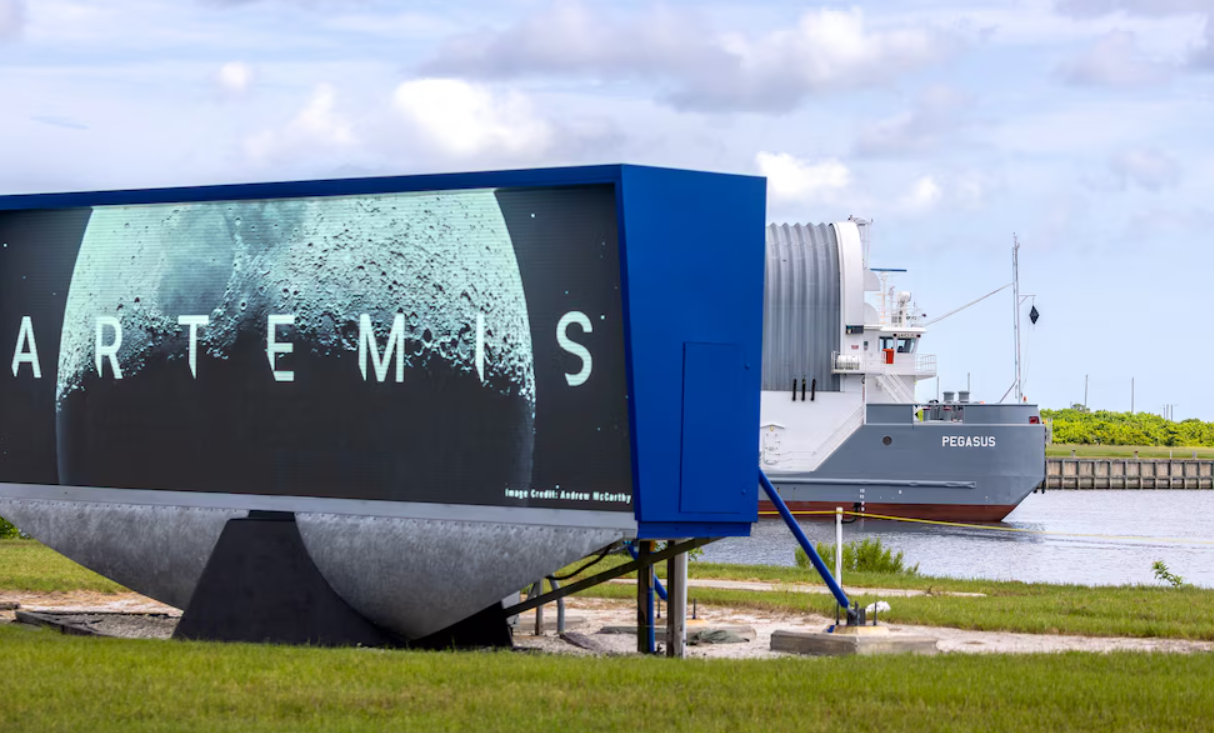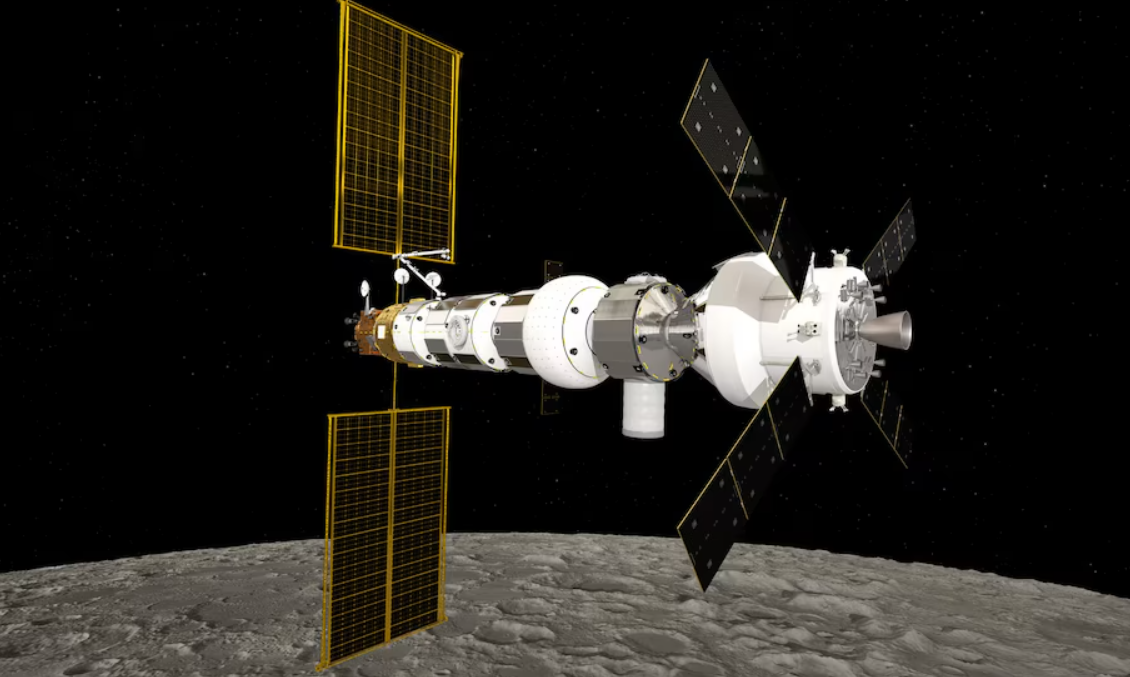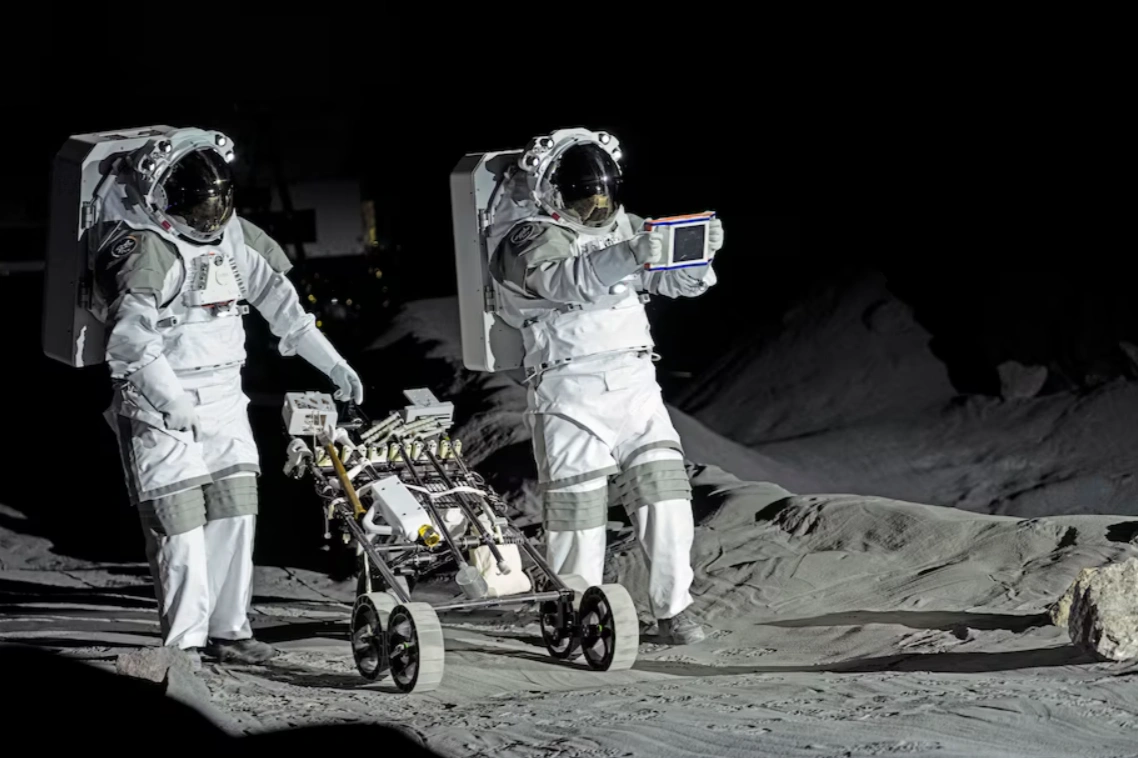

NASA took a historic turn in its space strategy. He decided to abandon the Gateway project—the lunar orbital station—to concentrate all his resources on a much more ambitious goal: building a permanent base on the Moon's surface
.The announcement was made by the agency's administrator, Jared Isaacman, who made it clear that the United States will no longer disperse efforts on symbolic projects. The priority is now concrete: to return to the Moon, to stay and to lead the next stage of the space race.
From orbit to surface: a total strategic change
For years, the Gateway station was presented as the axis of the lunar program. However, it never managed to consolidate itself
.NASA is now betting on something more direct: working on the surface. The logic is simple. Being on the Moon allows us to do real science, test technology in extreme conditions and develop capabilities that cannot be obtained from an orbiting station.
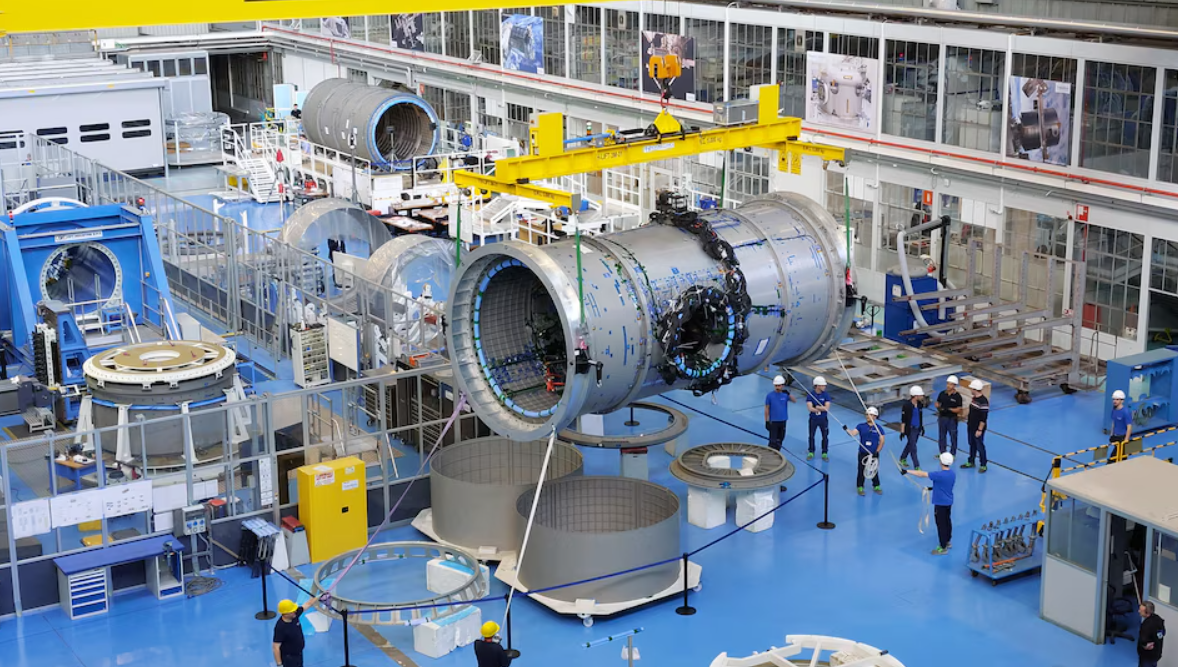
In addition, it eliminates unnecessary steps. An intermediate station is no longer needed to descend: missions can enter lunar orbit and land directly
.
The Moon as a platform to reach Mars
The new approach is not limited to lunar exploration. It's an intermediate step toward a larger goal: Mars.
From the Moon, launching missions is much more efficient. The gravity is lower and there is no atmosphere, reducing costs and complexity.
Therefore, the lunar base will function as a strategic springboard for deep space.
The Ignition plan: less bureaucracy, more execution
The program, dubbed Ignition, seeks to accelerate space development by eliminating projects that did not
provide concrete results.NASA wants to make rapid progress in key areas such as power generation, habitability and logistics on the Moon. The objective is to leave behind experimental exploration and move to an operational phase.
Three stages to build a permanent presence
The plan will be developed in phases. First, an intensive phase of exploration with robotic missions to study the terrain and search for resources such as water at the lunar south pole
.Then there will be the deployment of basic infrastructure: habitable modules, energy systems and stable logistics to sustain operations.