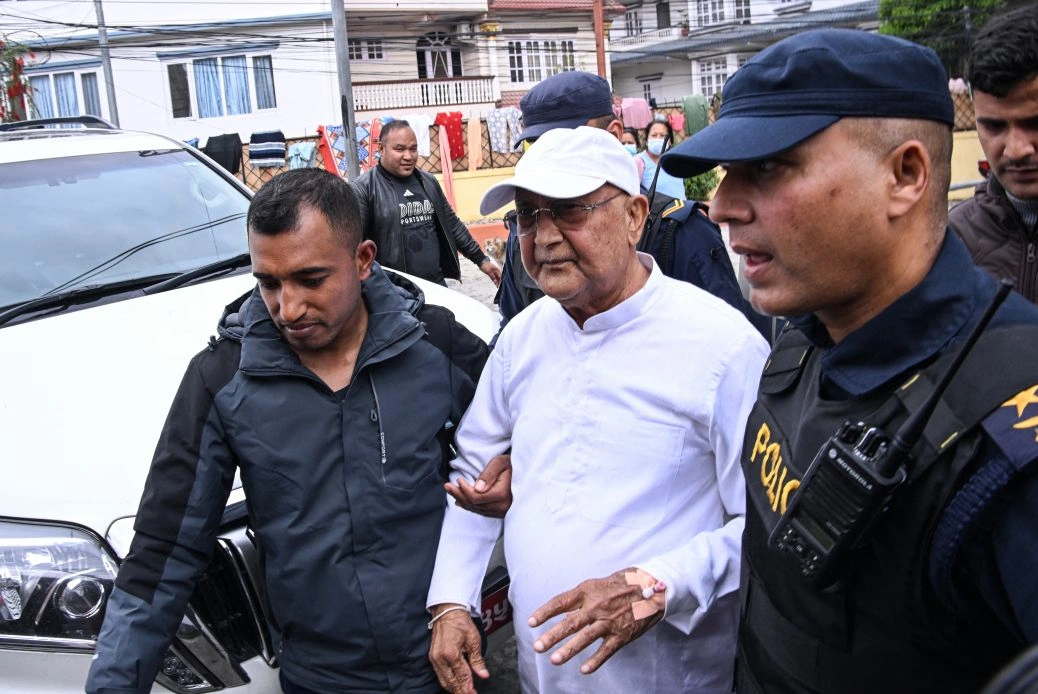
Former Nepalese communist Prime Minister K. P. Sharma Oli was arrested by Nepalese security forces in the midst of a process of institutional change following the mass protests of 2025. The arrest, which occurred on March 28, is part of an investigation into his alleged responsibility for not having prevented the death of dozens of people during the repression of demonstrations led
by young people.
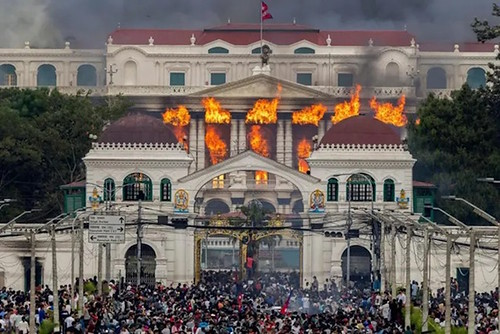
According to available information, at least 76 people died during the September 2025 anti-communist regime protests, which began as demonstrations against corruption and ended in episodes of generalized violence. These mobilizations led to the fall of the Oli government and the subsequent call for elections, which changed the
country's political scene. Demonstration in Nepal against the communist regime
The arrest of the former president came shortly after the inauguration of the new prime minister, Balendra Shah, who came to power after a sweeping electoral victory driven, in large part, by the discontent generated by those events. In parallel, former Interior Minister Ramesh Lekhak was also arrested in the context of the
same case.
The judicial origin of the case is found in a report by an investigative commission that recommended prosecuting both leaders for negligence, considering that they did not act to stop police repression during the first hours of the conflict. The investigation aims to determine political responsibility in an episode that also left thousands injured and serious institutional damage.
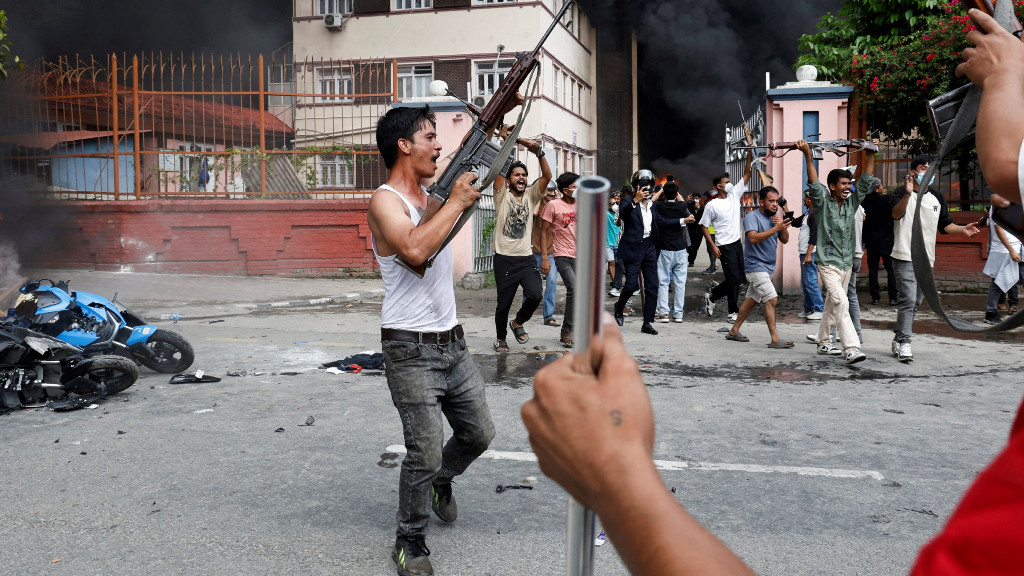
After the arrest, there were protests by supporters of the former communist prime minister, with clashes with the police in the vicinity of government buildings. From their political space, they described the measure as illegal and announced mobilizations across the country, reflecting that the political crisis has not yet
been fully resolved. Anti-communist demonstrators in Nepal
For its part, the new government defended the procedure as part of a judicial process aimed at establishing responsibilities. The cause is thus presented as one of the first challenges for the new administration, in a context of strong social pressure for transparency and accountability
.
In broader terms, the case shows an attempt to move forward after a crisis caused by the country's communist regime. The combination of generational change in leadership, social mobilization and judicial actions creates a scenario in which Nepal seeks to redefine its political system after one of the most critical episodes in its recent history