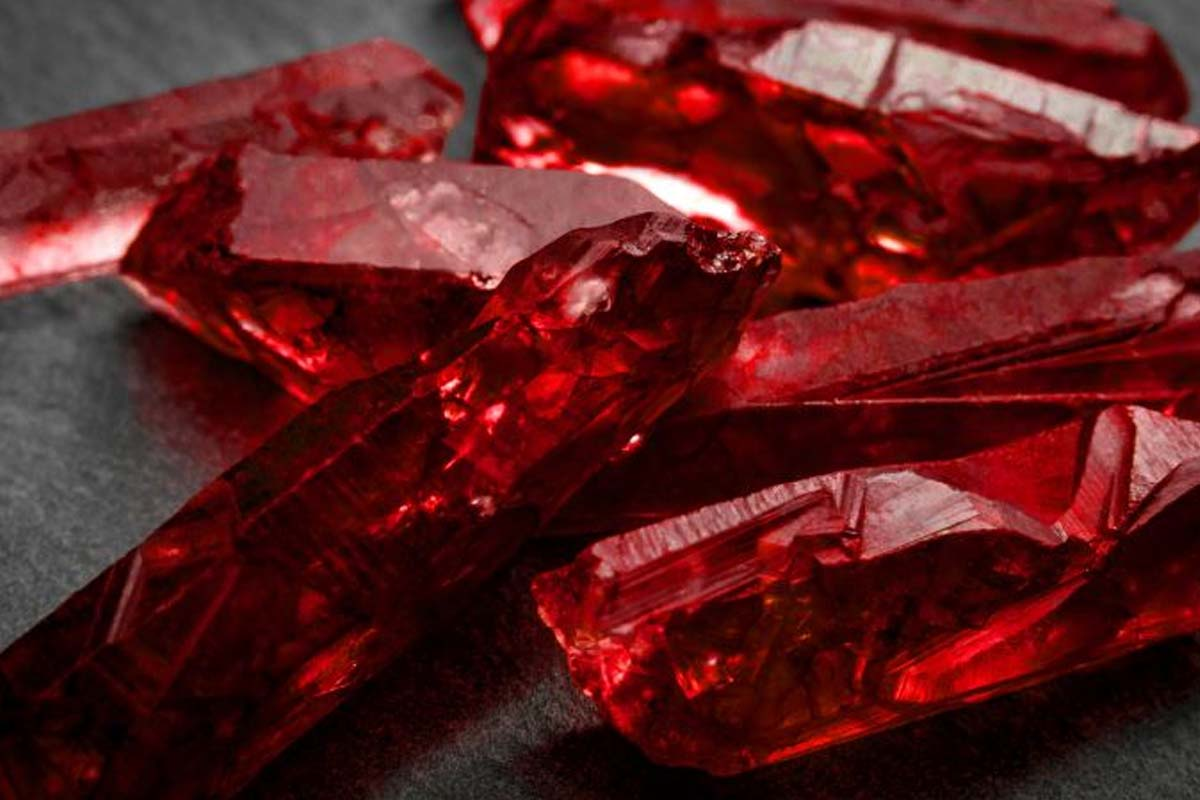
A NASA discovery surprised the scientific community: they detected minerals similar to rubies and sapphires on Mars. The finding calls into question classic theories about the formation of these gems
.
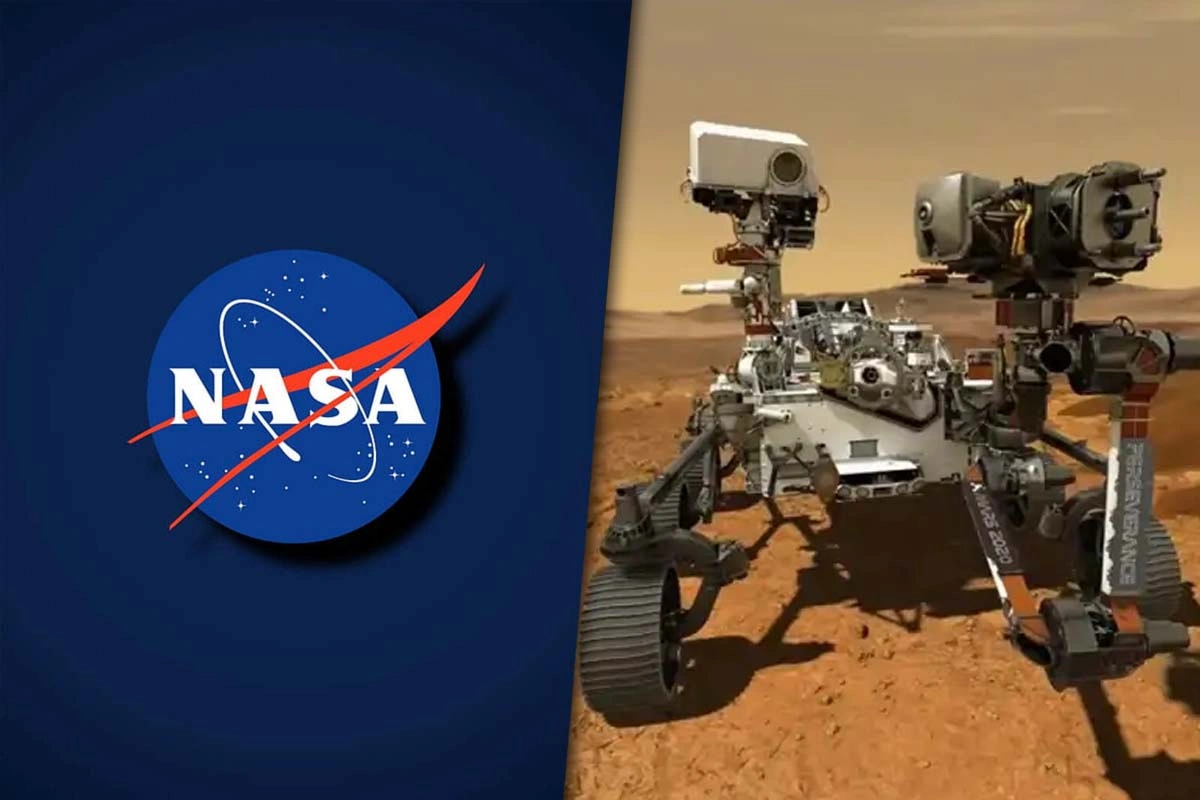
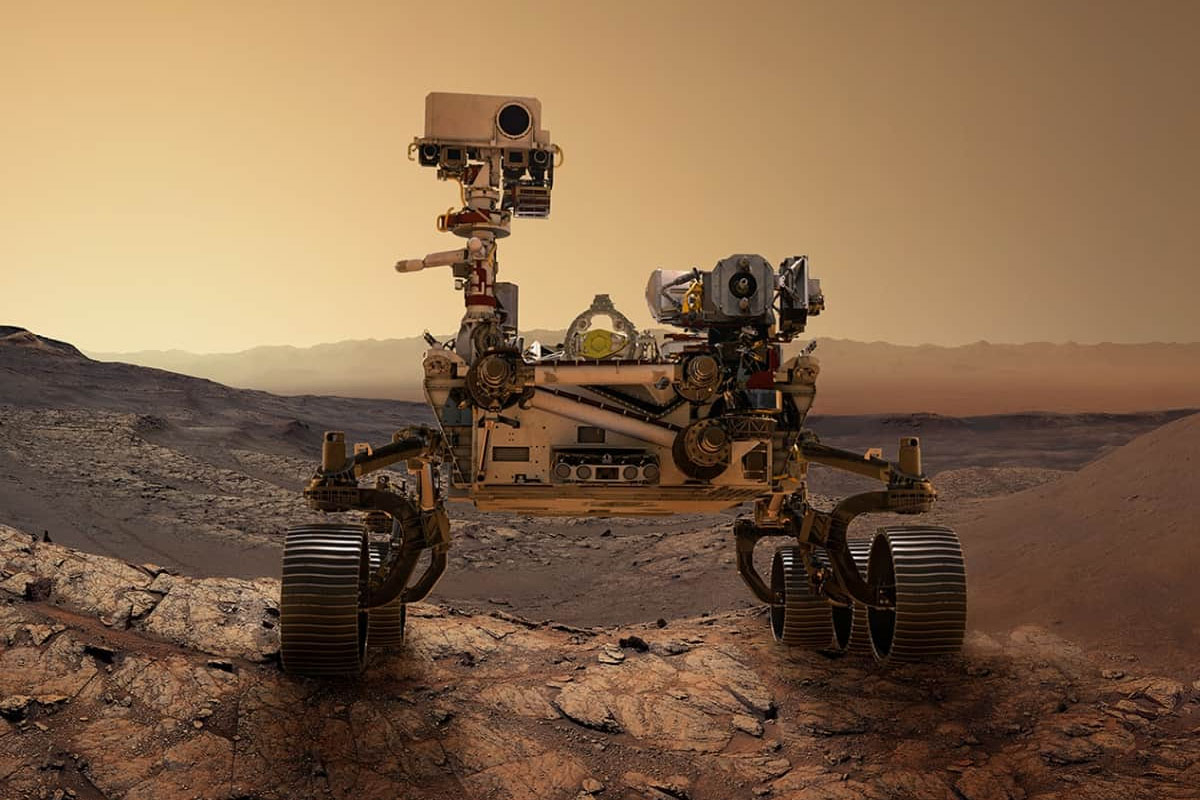
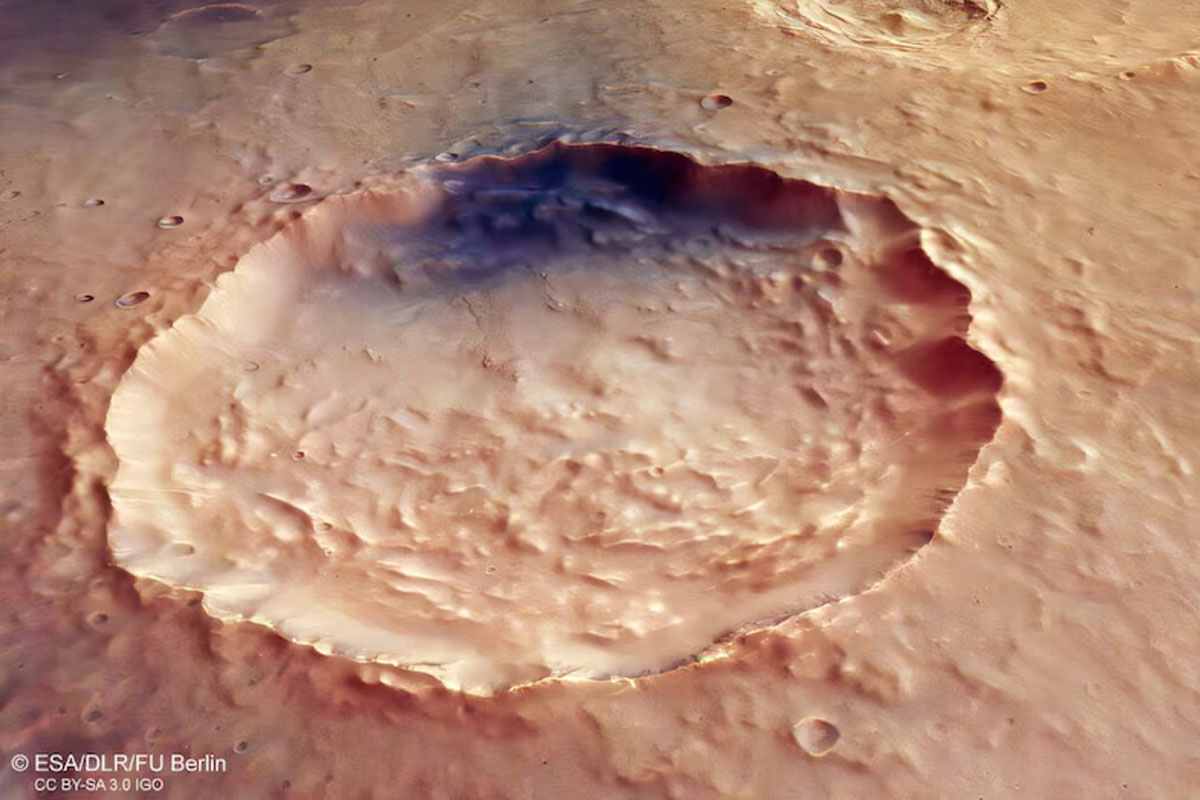
As presented at the Lunar and Planetary Science Conference in Texas, the Perseverance rover found corundum deposits in the Jezero crater. This material, on Earth, gives rise to precious stones
. They detected minerals similar to rubies and sapphires on Mars
What NASA found on Mars and why it's so important
The discovery was led by researcher Ann Ollila, from the Los Alamos National Laboratory. The team detected fluorescent crystals in a rock called Hampden
River.
The analysis was performed with the SuperCam instrument, which uses lasers and sensors to study the chemical composition. This technology allows obtaining results comparable to terrestrial laboratories
.
The measurements confirmed that the grains have a corundum structure. Depending on the metals present, they can be converted into rubies or sapphires
. What NASA found on Mars and why is it so important
A finding that breaks the rules of geology
On Earth, these gems are formed in the context of plate tectonics.
Mars, however, does not have this type of geological activity
.
This forced scientists to look for an alternative explanation. The main hypothesis points to meteorite impacts as the origin of these formations
. A finding that breaks the rules of geology
According to specialists, the shocks generated extreme pressures and temperatures. This would have made it possible to transform aluminum-rich powder into crystalline structures
.
The scientists' reaction to the discovery
Expert Allan Treiman, from the Lunar and Planetary Institute, acknowledged their surprise. “I was very surprised,” he said after learning the results
.
However, he also noted that Mars has regions rich in aluminum. This reinforces the possibility that the phenomenon is not isolated
. Mars has regions rich in aluminum
In fact, the team detected similar signs in other areas called Coffee
Cove and Smiths Harbor.
Why they can't be seen as gemstones
Despite the importance of the find, these formations are microscopic. They measure just 0.2 millimeters, which makes it impossible to see their color with the naked eye
. Why they can't be seen as gemstones
However, when stimulated by the SuperCam laser, they emit intense light. This makes it possible to confirm their composition as gems
.
Ann Ollila herself expressed her desire to analyze them on Earth. But, for now, NASA does not plan to bring these samples.