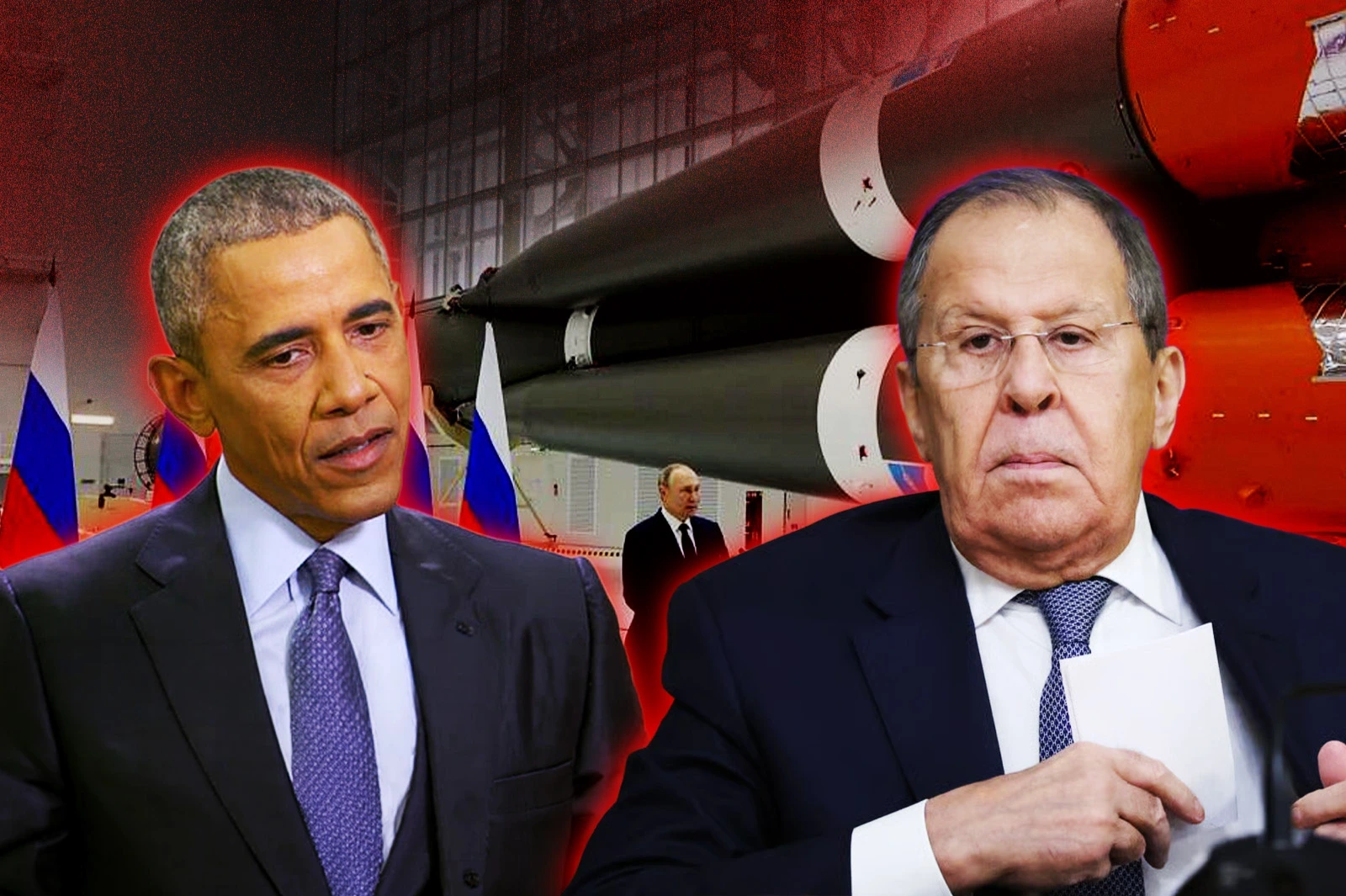
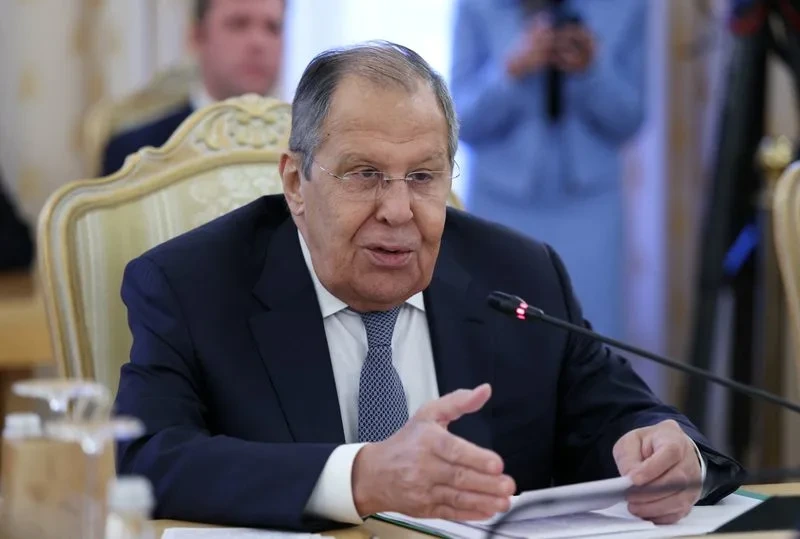
The Russian Foreign Minister, Sergei Lavrov, on Tuesday urged Iran and the United States to resume a nuclear agreement similar to the one reached in 2015, considering that such an understanding could pave the way to stability and the reduction of international tensions. His statements came during a press conference following a meeting with Libyan authorities
.
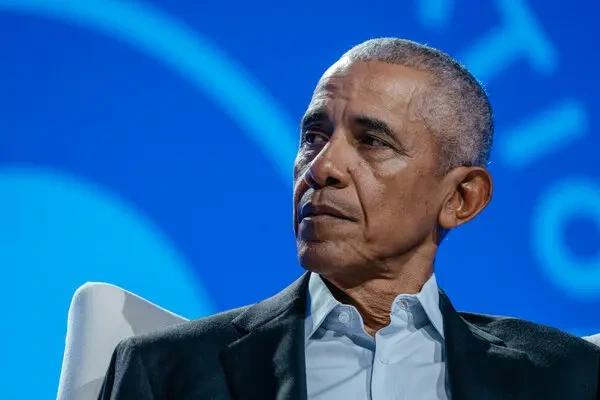
Lavrov specifically referred to the Joint Comprehensive Plan of Action (JCPOA), the pact negotiated during the disastrous presidency of Democrat Barack Obama, which sought to limit the Iranian nuclear program in exchange for the lifting of economic sanctions.
The head of Russian diplomacy stated that if the current negotiating efforts between Washington and Tehran achieve a similar result, it would be “a great success”, wrongly asserting that such an agreement contained sufficient mechanisms to address concerns about nuclear proliferation.
Lavrov stressed that the JCPOA, approved by the UN Security Council, included strict controls over the Iranian nuclear program, even more stringent than the usual standards of the International Atomic Energy Agency (IAEA).
However, the agreement has been the subject of strong criticism since its implementation. Various analysts argue that the JCPOA did not permanently prevent Iran from developing nuclear weapons, but that it temporarily limited certain activities
.
In addition, Tehran has been accused of breaching several of its obligations, including the use of prohibited centrifuges, the enrichment of uranium in unauthorized facilities and the accumulation of fissile material at levels higher than those necessary for civilian purposes.
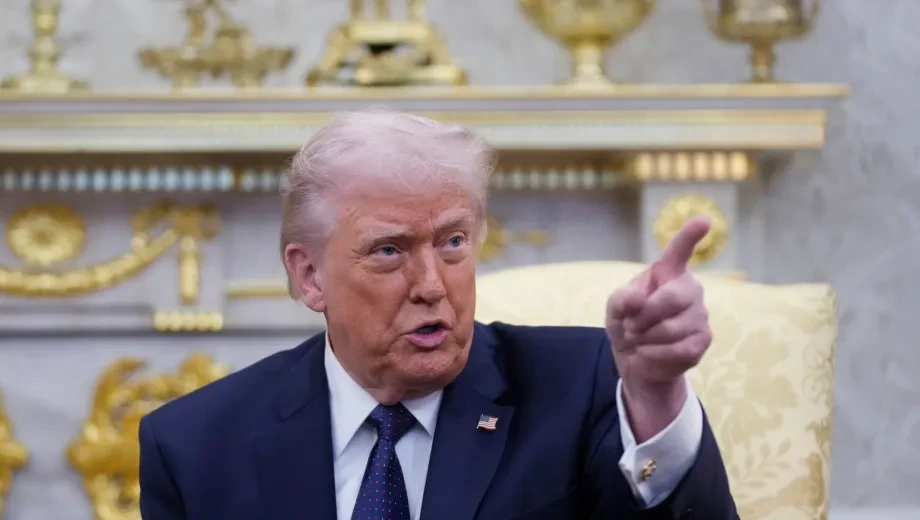
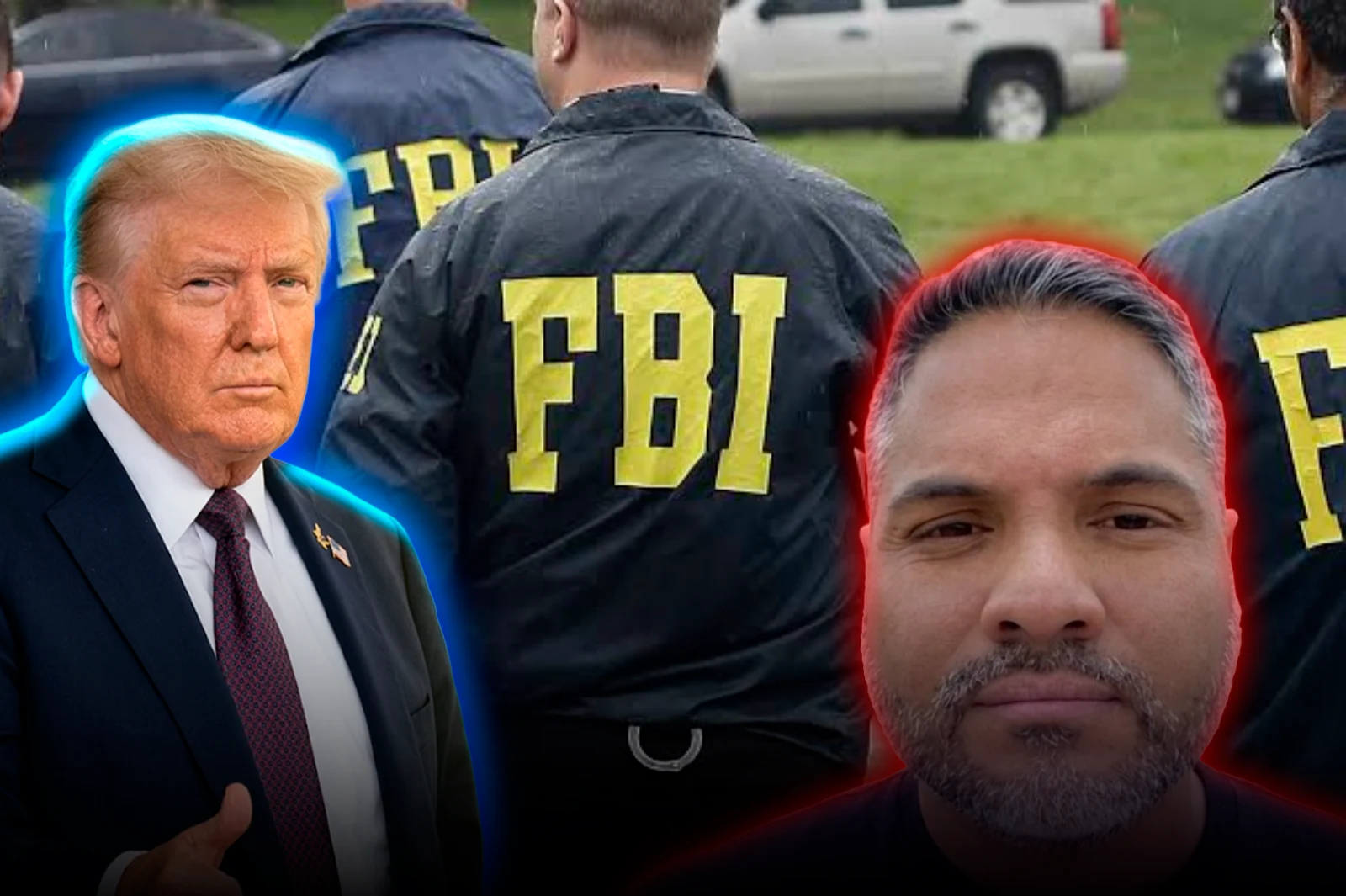
President Donald Trump decided to withdraw the United States from the agreement negotiated by Obama in 2018
Tensions surrounding the Iranian nuclear program reached a critical point in June 2025, when the International Atomic Energy Agency issued a formal statement stating that Iran had violated its non-proliferation commitments. The international body cited multiple flaws in cooperation on the part of Tehran, including a lack of transparency over undeclared nuclear activities
.
Iran rejected the accusations, calling them “political and biased”, and announced the opening of new uranium enrichment facilities, further intensifying the crisis. In response, the United States and Israel carried out a series of air strikes against Iranian nuclear facilities, culminating on June 22, 2025 with U.S. bombings that destroyed three of the country's main enrichment centers
.
The conflict also had repercussions on the Iranian leadership. After the attacks, then-political advisor Ali Larijani launched threats against the director of the IAEA, Rafael Grossi, for the report declaring non-compliance. However, both Larijani and the supreme leader Ali Khameneiwere later eliminated in the context of the military operation called “
Epic Fury”.
Moscow believes that resuming a scheme similar to the JCPOA could provide a basis for rebuilding trust between the parties and avoiding new confrontations, although serious doubts persist about the effectiveness of such a model, especially in the light of the breaches and disagreements that marked its original implementation.
Obama's nefarious Joint Comprehensive Plan of Action did not prevent the Iranian regime from moving toward the development of nuclear weapons.