Cuba is once again facing a deepening of its energy crisis after the supply of Russian crude oil ran out, which had allowed a temporary improvement in the electricity system. The situation once again highlights the structural fragility of the island's energy model.
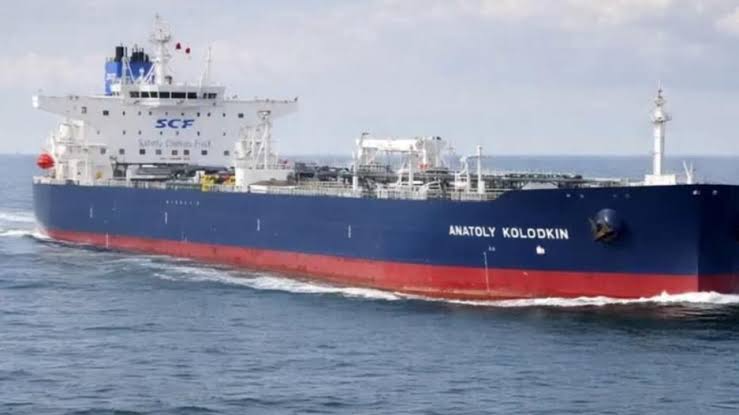
The arrival at the end of March of the Russian oil tanker Anatoli Kolodkin, with about 100,000 tons of crude oil, had brought partial relief from the blackouts that have affected the country for months.
The Russian tanker Anatoli Kolodkin
However, that supply is now practically sold out and there are no new shipments confirmed, rekindling the risk of massive outages
.
The consequence is immediate: blackouts intensified again throughout the territory. In recent days, simultaneous outages have affected between 40% and 46% of the country during times of high demand, reflecting the magnitude of the energy problem
.
The crisis is not new, but it has deepened in recent years. The Cuban electricity system faces obsolete infrastructure, lack of investment and a strong dependence on imported oil, factors that limit its ability to respond to supply interruptions
.
In addition, fuel shortages don't just impact electricity generation. It also affects key sectors such as transport, production and basic services, generating direct consequences on the daily lives of the population.
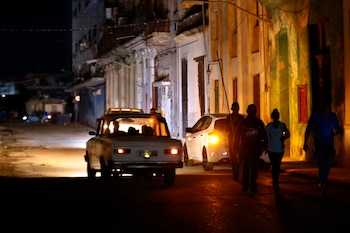
Havana in the midst of a general blackout
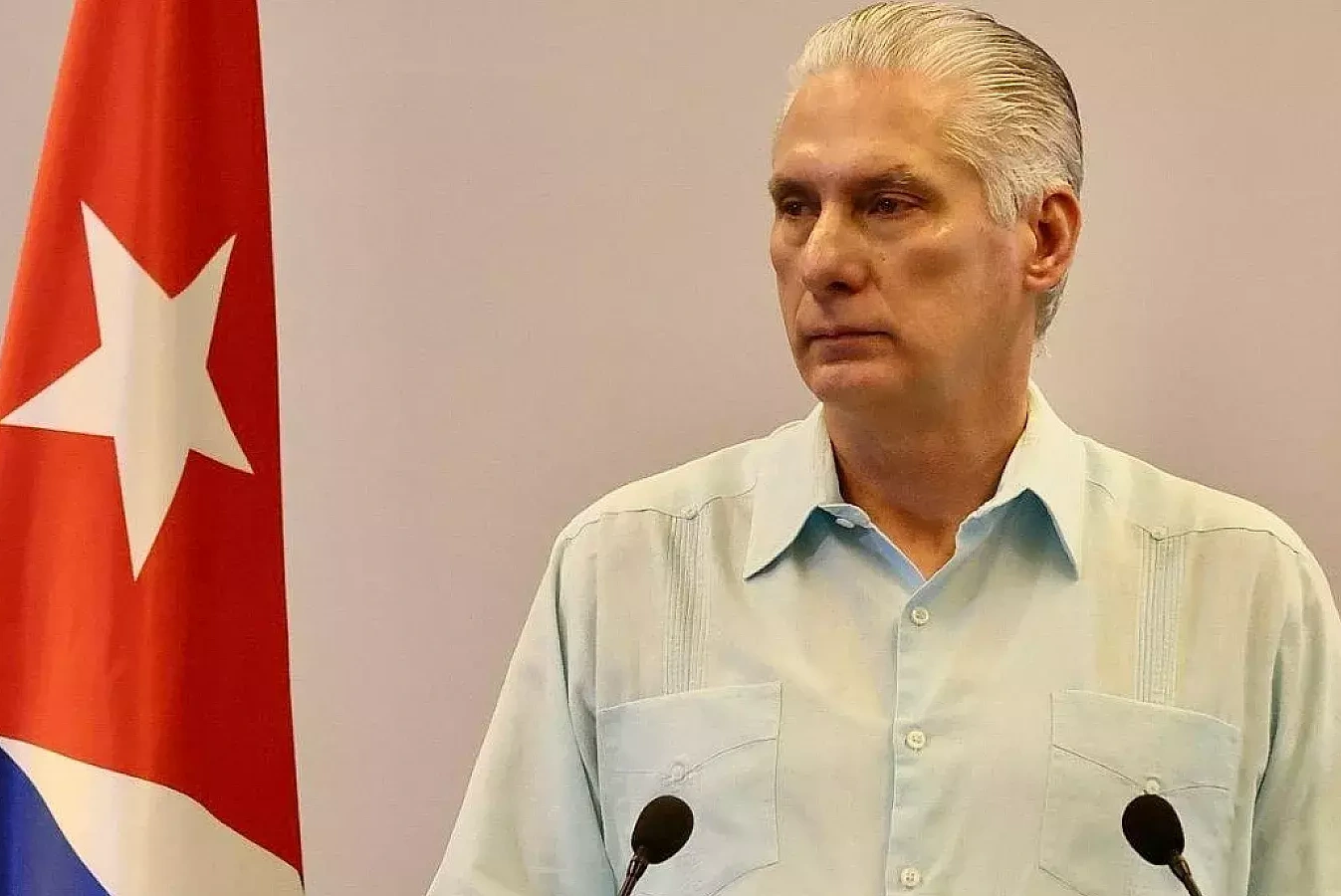
The Russian oil episode revealed a recurring pattern: the Díaz-Canel dictatorship fails to solve the underlying problem. The relief represented by that shipment was brief, and the lack of continuity in supply brings the system back to the brink of collapse
.
In this context, the Cuban regime faces the challenge of stabilizing an energy system that shows signs of depletion.
The authorities have recognized occasional improvements, but they also admit that the situation remains critical and that stability depends to a large extent on access to new fuel supplies.
The persistence of massive blackouts reflects a structural crisis that goes beyond one-off events. Without profound changes in infrastructure and supply, the Cuban electrical system continues to be exposed to constant interruptions
.
Thus, the island returns to a familiar situation: prolonged outages, energy uncertainty and an economy conditioned by the lack of basic resources to sustain its operation.