High levels of economic crisis and institutional mistrust persist






With more than 90% of the records counted, the leader linked to Pedro Castillo's space managed to get into the second round and rekindles fear of the return of the political project that destabilized the country.
High levels of economic crisis and institutional mistrust persist
The protest vote continues to have weight in large sectors
The ballot is emerging as a scenario of strong polarization
In this context, different sectors began to warn about the possibility of a setback in institutional matters if the space linked to Castillo regains prominence in
power.elections is now presented as a key instance to define the direction of the country. With an open and highly competitive scenario, Peru faces an election that will not only define a new government, but also the political and institutional model for the coming years
.




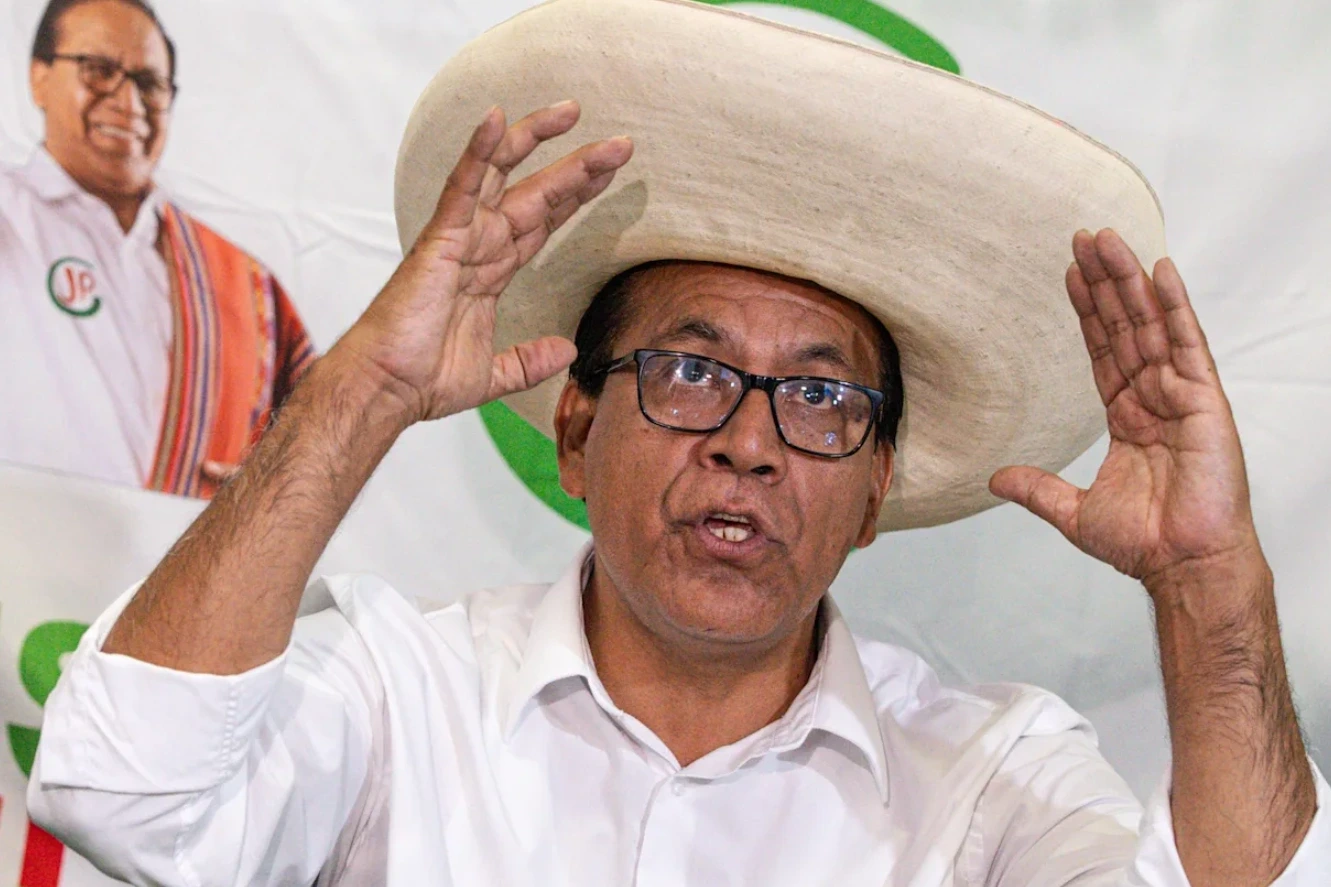
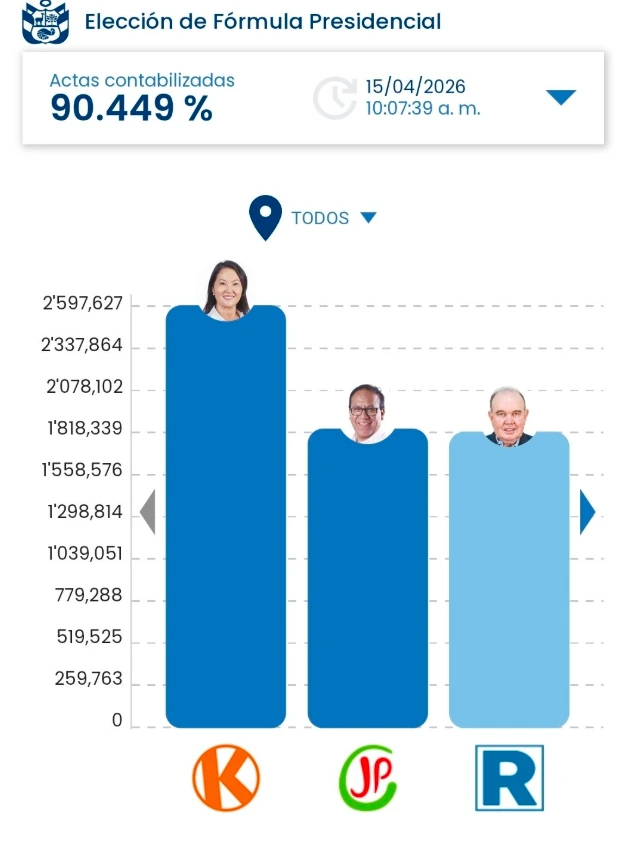
The presidential elections in Peru took an unexpected turn after Roberto Sánchez, a leader identified with the communist and indigenist space of former president Pedro Castillo, managed to get into the ballot with 12.01% of the votes.
With 90.44% of the records recorded, Sánchez's entry into the second round marks a scenario of high political uncertainty in the Andean country, which is still suffering the consequences of the institutional crisis generated during the Castillo administration.
Sánchez is considered a leader close to the communist project that brought Pedro Castillo to power, whose term ended abruptly after trying to move forward with a closure of Congress, which led to his dismissal
and subsequent arrest.The admission of a candidate from this space to the ballot puts back on the agenda the debate on institutional stability in Peru and the risk of repeating episodes of confrontation between State powers.
Political analysts warn that this result reflects a fragmentation of the electorate and a social discontent that continues to be capitalized on by sectors of