The head of the Pentagon confirmed that Washington will intensify its bombings against Iranian regime targets. The joint operation with Israel seeks to weaken Tehran's military infrastructure and ensure security in the region.
Trump warned that he will respond “20 times stronger”
U.S. President Donald Trump reinforced Washington's message with a direct warning to the Iranian regime
.
Through his social network Truth Social, Trump assured that any attempt by Iran to block the flow of oil in the Strait of Hormuz will provoke a devastating response.
“If Iran does something to stop the flow of oil in the Strait of Hormuz, it will be hit by the United States twenty times harder than it has been until now,” the president wrote.
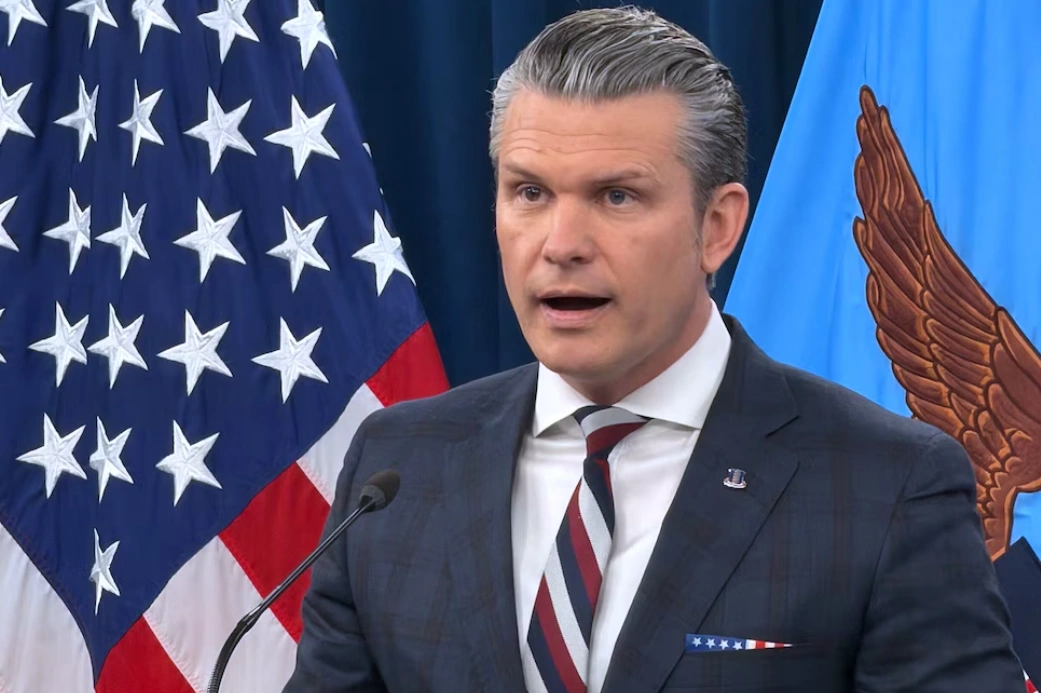
The Secretary of Defense of the United States, Pete Hegseth, confirmed that the military offensive against Iran will enter a new phase of intensification.
“Today will once again be our most intense day of attacks inside Iran,” the official said during a press conference held at the Pentagon.
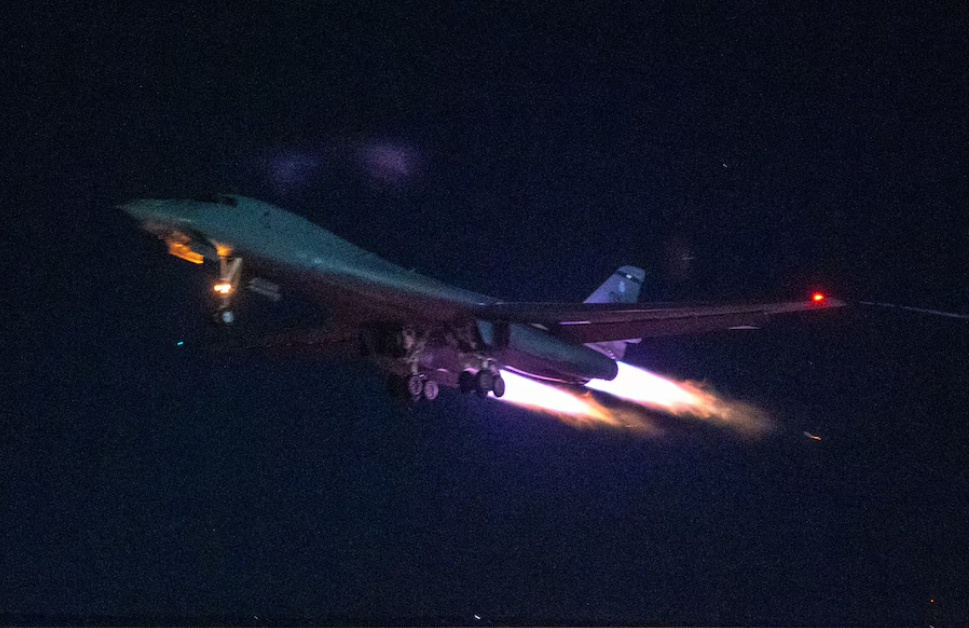
The escalation comes ten days after Washington began a joint military offensive with Israel to weaken the Iranian regime's strategic infrastructure.
The Pentagon believes that the Iranian reaction reflects weakness
.
During the conference, Hegseth said that the reaction of the Iranian regime—which began launching attacks against neighboring countries after the beginning of the conflict—was interpreted by Washington as a sign of
desperation.
The official explained that, although this reaction was not completely anticipated, it was considered as one of the possible scenarios.
According to the Secretary of Defense, the Iranian strategy ended up having the opposite effect to that sought by Tehran.
Several Arab countries began to approach the United States, allowing the use of military bases and overflight rights for operations.
Image 1371439
This, according to Hegseth, is further isolating the Iranian regime within the region
. The
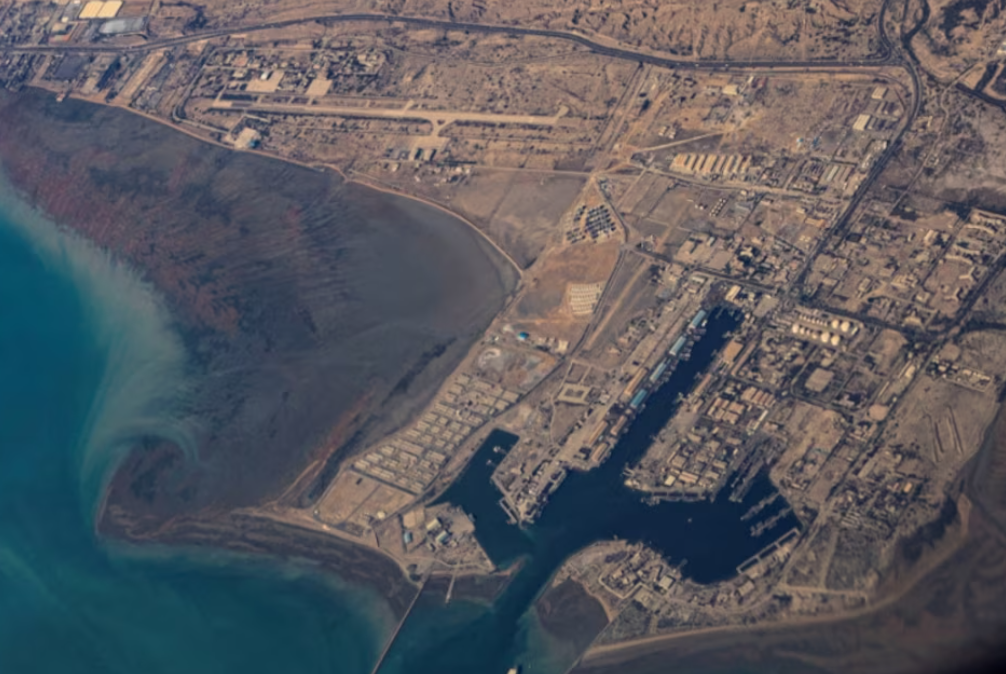
United States is evaluating new operations in the Strait of Hormuz
Pentagon officials have also confirmed that different operational scenarios are being evaluated to ensure security in the
Strait of Hormuz.
Among the alternatives under study is the possibility of escorting commercial vessels that transit through the energy corridor.
Image 1371440
The strait is one of the most sensitive points of global trade, since about 20% of the oil traded in the world circulates there
.
The Pentagon noted that decisions will depend on the evolution of the conflict and on the command and control needs of each mission.
Image 1371441
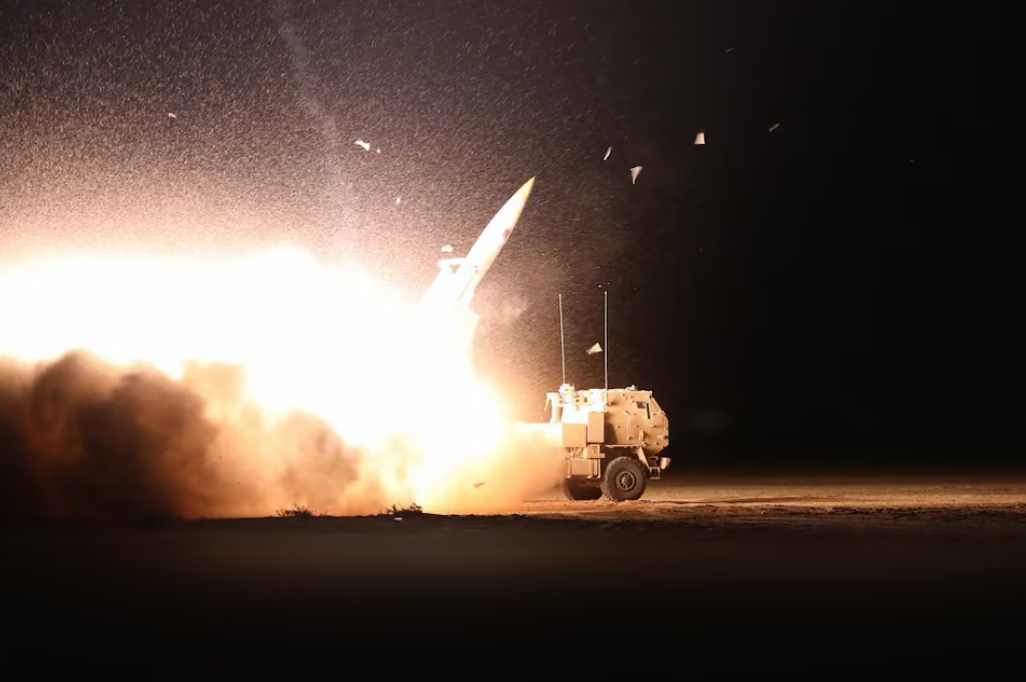
The US president added that Washington has identified multiple strategic objectives
.
“We will eliminate easily destructible objectives that will make it virtually impossible for Iran to rebuild as a nation,” he said.
The attack on an oil tanker raised regional tension
American warnings came after the Islamic Revolutionary Guard announced an attack on an oil tanker in the Strait of Hormuz over the weekend
.
According to a statement from the Iranian military corps, the maritime corridor is closed to traffic due to the escalation of the conflict.
The episode increased tension in the Gulf and reinforced international concern for the stability of the global energy supply.
Washington states that the operation has limited objectives
.
Despite the intensification of the bombing, Hegseth maintained that the US military operation does not seek to expand
beyond its current objectives.
The Secretary of Defense stated that the scope of the offensive is clearly defined and that the U.S. government remains committed to minimizing civilian casualties.
While acknowledging that there is always a risk for U.S. troops deployed in the region, he avoided providing details on specific operations.
According to the Pentagon, the priority remains to weaken the Iranian regime's military capabilities and ensure security in the Gulf, one of the most strategic points in global energy trade.