The truth is that these types of truces have been seen before and, in many cases, they have ended up being fragile or directly breached by both sides, thus showing how difficult it is to maintain some kind of ceasefire within the conflict.





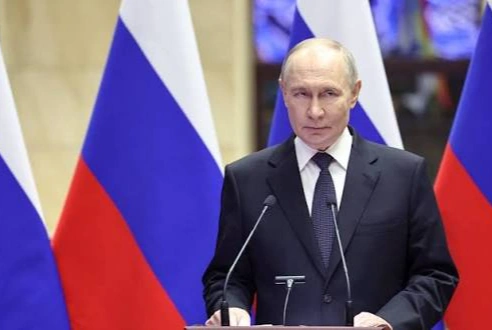

Russia announced a ceasefire for Orthodox Easter while waiting for reciprocity from Kiev
The truth is that these types of truces have been seen before and, in many cases, they have ended up being fragile or directly breached by both sides, thus showing how difficult it is to maintain some kind of ceasefire within the conflict.





In a move that combines religious symbolism and political calculation, Russian President Vladimir Putin announced a temporary truce in the war in Ukraine on the occasion of Orthodox Easter. The measure, which will take effect between April 11 and 12, seeks, according to the Kremlin, to open a humanitarian window in the midst of a conflict that has been wearing down Eastern Europe for years
.The armed conflict is now in its fourth year and wear and tear is seen on both sides. Still, no one is prepared to admit defeat or sign peace without first meeting their expectations.
The decision is no small one. In a context where negotiations seem stalled and hostilities continue on a daily basis, these attempts at a truce by both states are becoming less and less so. In addition, the Kremlin itself made it clear that its forces will remain alert to possible provocations, revealing the level of mistrust that dominates the
war scene.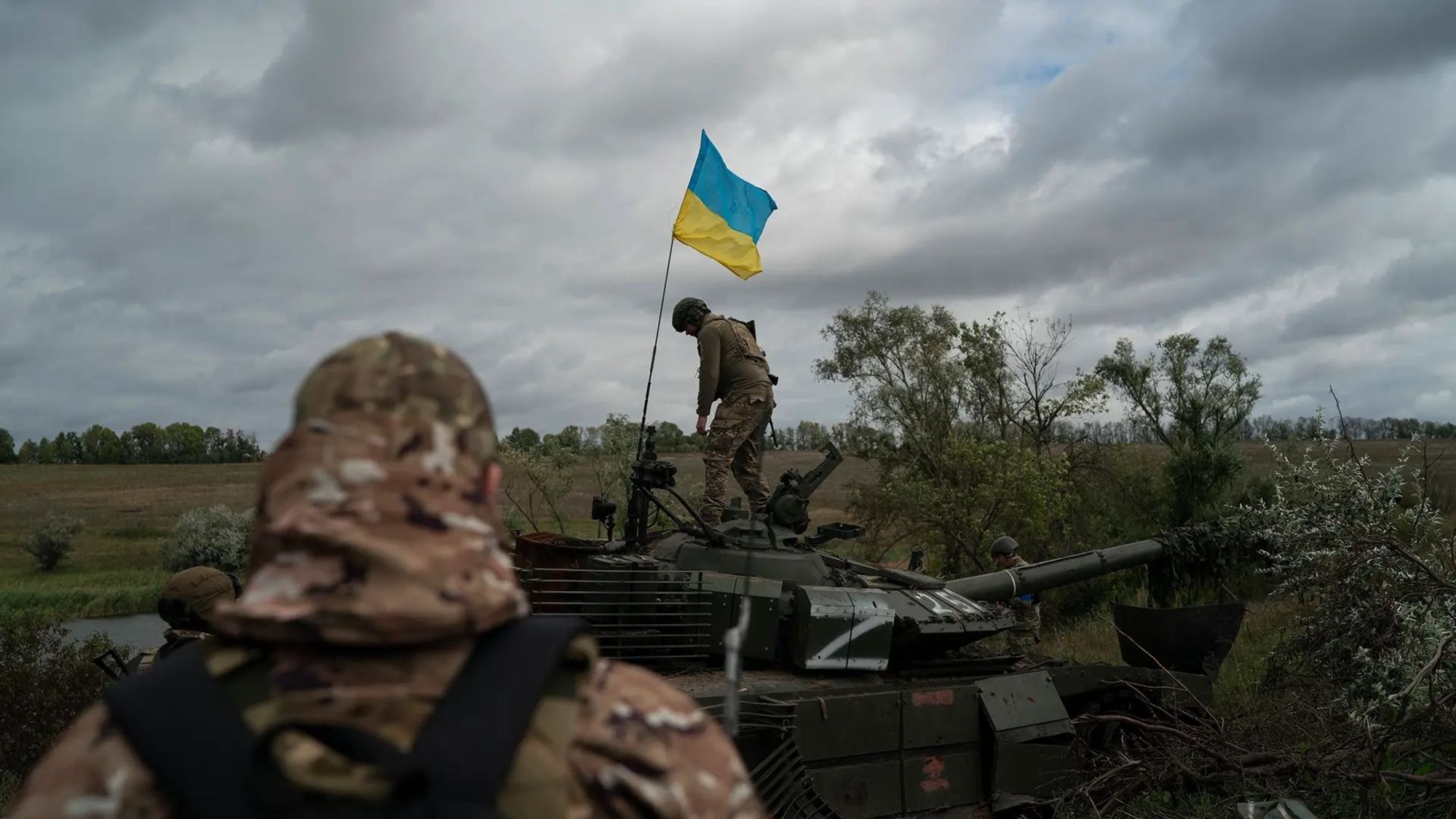
Since Kiev, President Volodimir Zelensky has not yet given a definitive answer, although in previous weeks he had requested a longer ceasefire, however, some requests for a truce by Russia were denied by the Ukrainian command on the grounds that it was simply a regrouping strategy on the part of
Some examples of these truces are based on religious holidays, such as the Christmas truce of 2023 or some other attempts at Orthodox Easter.
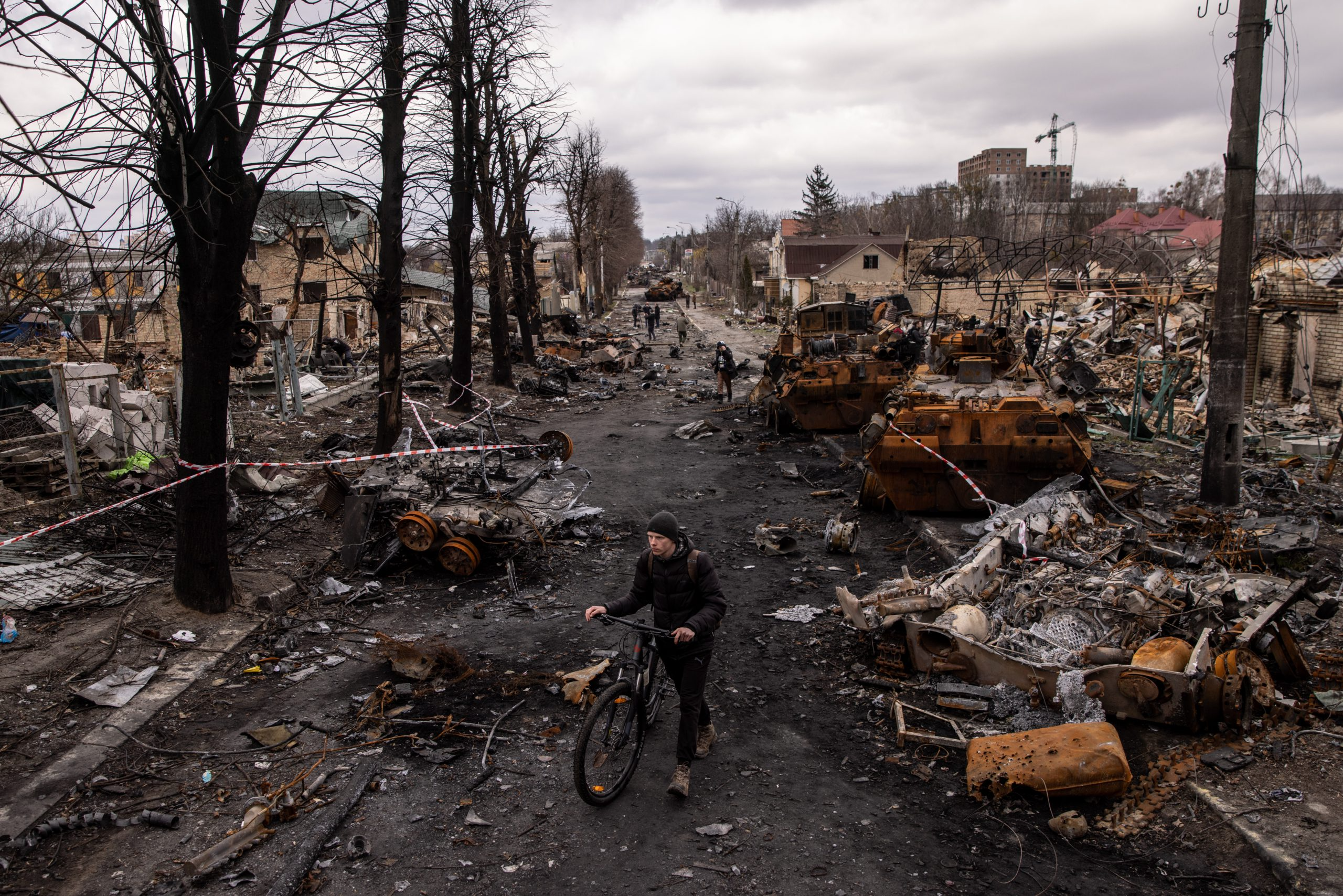
Beyond its duration, this pause represents a concrete opportunity to alleviate the humanitarian situation, allow evacuations or exchanges of prisoners, and, above all, to measure the true will
of both sides.In short, the Easter truce alone will not change the course of the war. But it does leave a clear signal: even in the midst of Europe's most tense conflict in decades, there are still times when politics can impose itself, even briefly, on weapons
.