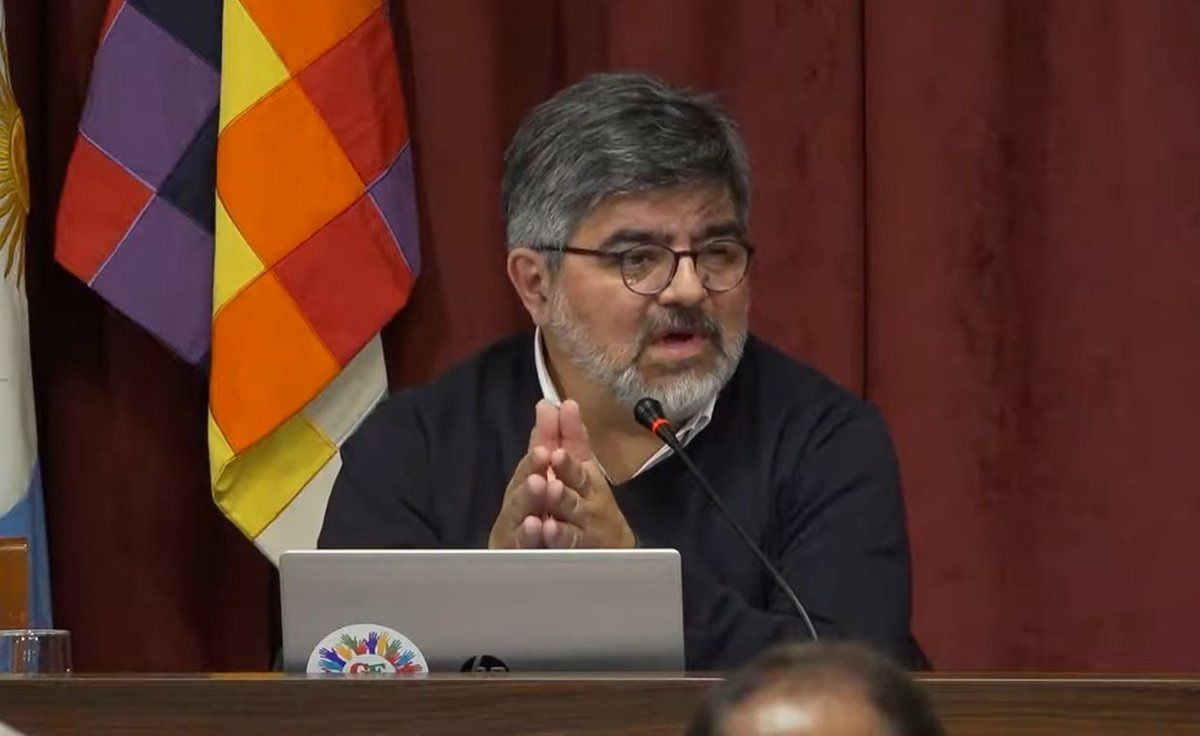
The labor judge and former Kirchner official Raúl Horacio Ojedaprovisionally suspended 83 articles of the labor reform promoted by the government of Javier Milei, after giving rise to a precautionary measure presented by the CGT. The decision impacts one of the main initiatives of the ruling party and raised questions about the magistrate's political background
.
The ruling, issued by National Labor Court No. 63, suspended key aspects of Law 27,802, recently approved by Congress. The Government confirmed that they will appeal the decision and defended the reform as a central tool to promote formal employment, improve competitiveness and provide greater
legal security.
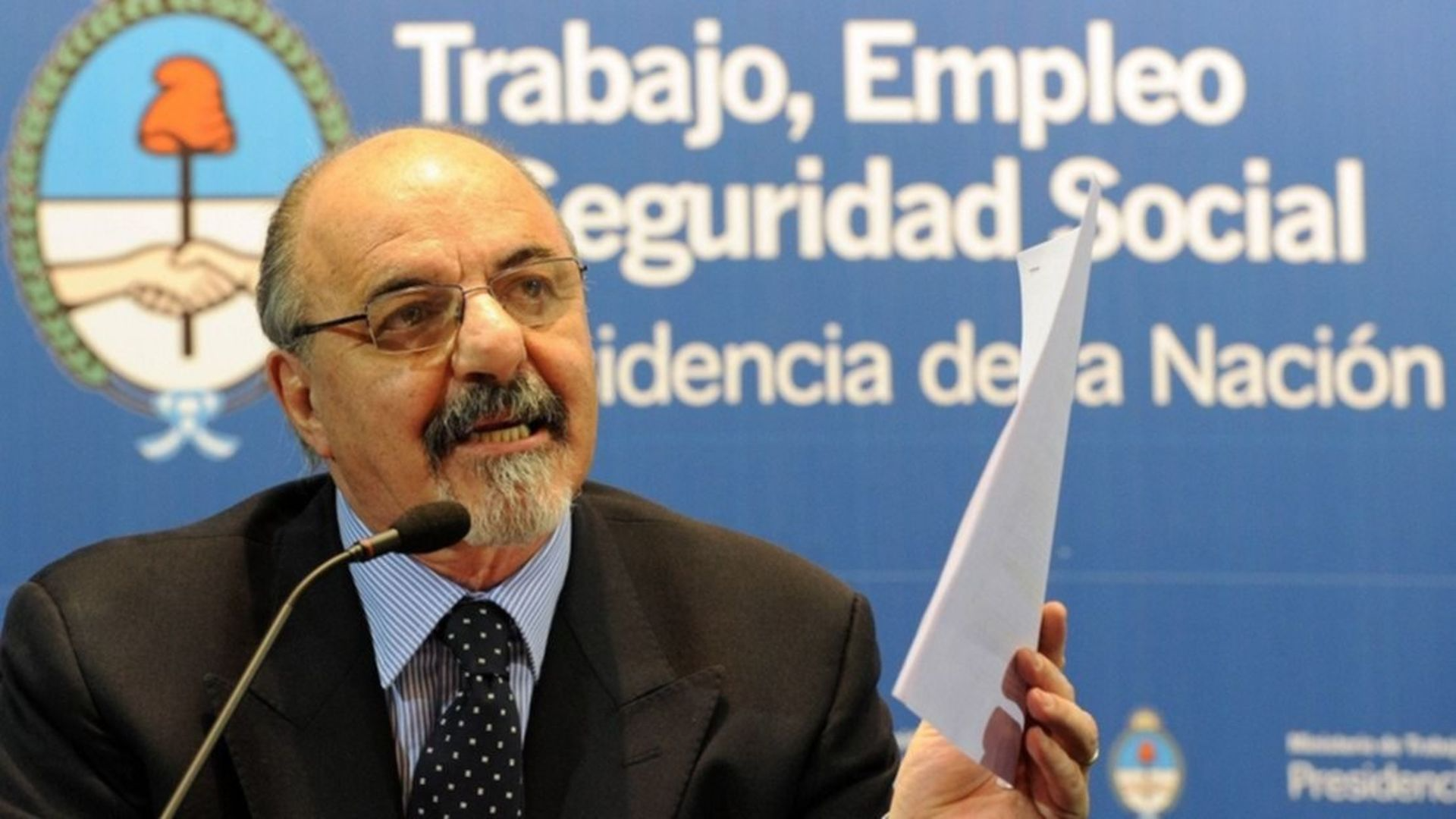
Before coming to justice, Ojeda was part of the Kirchnerism labor force.Between 2004 and 2012, he was an advisor to the then Minister of Labor Carlos Tomada, during the administration of Néstor and Cristina Kirchner. His career directly connects him as a beneficiary of the scheme that today the Government is trying to modify
.
The magistrate is a lawyer graduated from the UBA, where he works as a professor in Labor Law and Social Security. Throughout his career, he published and coordinated specialized works on labor legislation and jurisprudence, which built his bridge to the
ministerial career.
On the doctrinal level, Ojeda has expressed clear positions on labor matters. In public exhibitions, he defended the right to strike as a “human right” and questioned regulations such as the law on occupational hazards, which he even described as “disastrous”. These positions reflect a vision aligned with the union apparatuses and the Kirchnerist model.
Ojeda is also the founder of the Social Law Study Group, an academic space linked to the analysis of labor law from a perspective focused on “social justice”. There he acts as a vocal and participates in the elaboration of legal approaches that are historically aligned with the positions of traditional trade unionism l
.
The ruling was welcomed by the CGT, which considered it a support for trade union organization and the defense of labor rights. The labor union had raised the unconstitutionality of several points of the reform, arguing that they “affected” guarantees recognized
by the Constitution and international treaties. Raúl Ojeda worked hand in hand with former minister Carlos Tomada.
From the Executive, on the other hand, they argue that the judicial measure implies a brake on a law voted by a large majority in Congress and warn of the institutional impact of suspending democratically approved regulations. In that regard, they stressed that they will exhaust all judicial instances to reverse the
decision.
The resolution is provisional and will remain in force until Justice is issued on the merits of the matter. Meanwhile, the previous labor regime will continue to be applied, in a scenario that re-tensions the relationship between the Government, the Justice and the union sectors regarding the direction of the Argentine