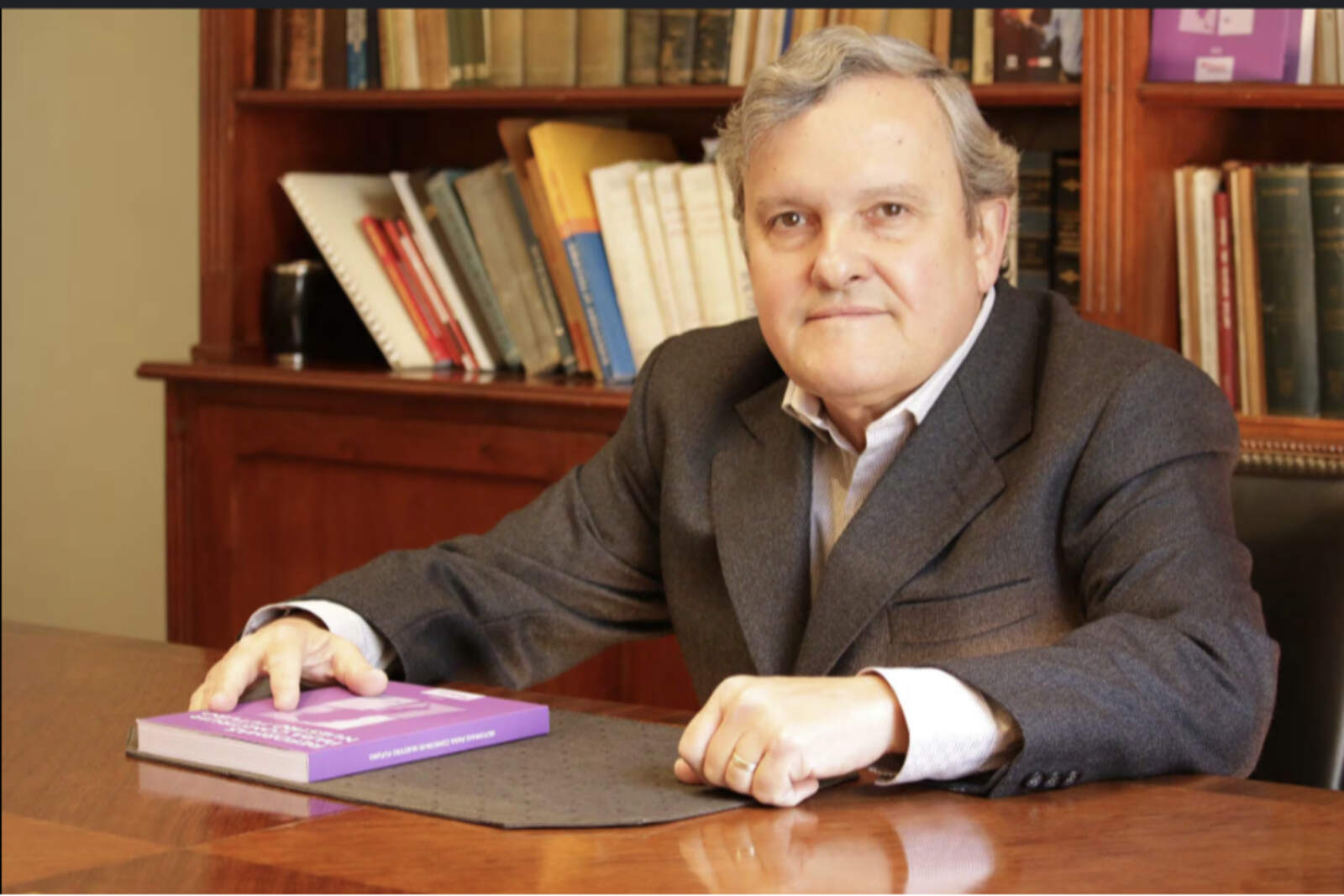

Economist Aldo Abram, executive director of Fundación Libertad y Progreso, explained in a conversation with Canal E the scope of the agreement between Banco Central de la República Argentina and the United States Treasury, and stated that the mechanism gives the Government a solid position to avoid exchange rate shocks, without implying immediate over-indebtedness.
"In this swap with the United States, there are 20 billion dollars available and debt is only caused for the portion that is used," Abram pointed out, differentiating this agreement from the current swap with China, which requires prior authorization for activation. "There's no need to ask for permission: it is simply activated by sending pesos and receiving dollars," he added.
The economist explained that the U.S. Treasury carried out a temporary operation before the elections to contain exchange rate pressure. "What emerges from the balance sheets, because there was not much official announcement, is that the United States was buying pesos with dollars before the elections," he noted.
Once the electoral uncertainty was overcome, "they reversed the operation: they sold the notes, recovered the pesos, and with those pesos bought dollars from the Central Bank", he specified. In that process, a portion of the swap equivalent to US$2.1 billion was activated, generating debt only for that amount. "The U.S. Treasury took its dollars and we were left with a debt for that value," Abram clarified.
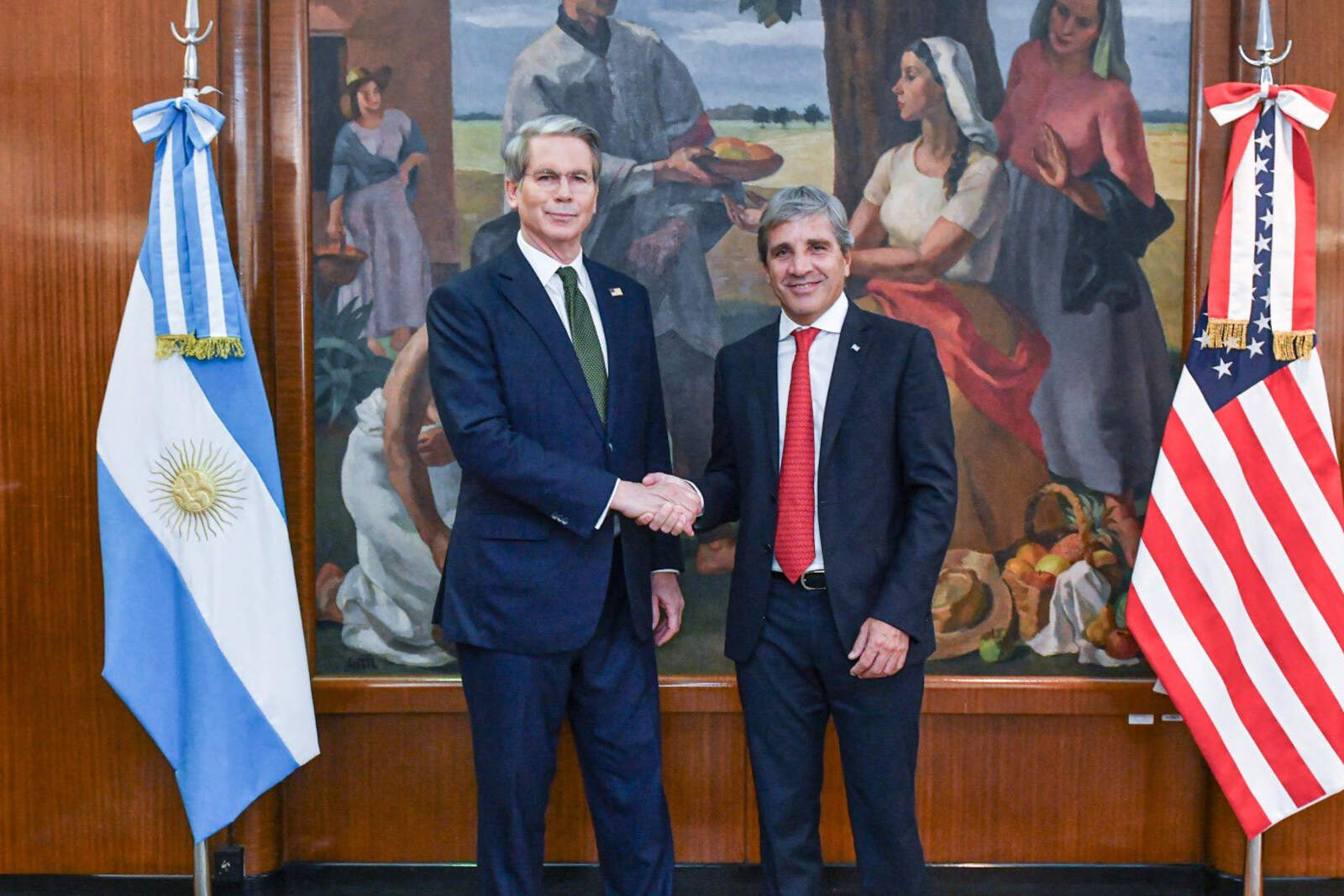
A mechanism that strengthens reserves and market stability
The economist highlighted that this type of agreement "strengthens the Central Bank's reserve backing" and helps sustain exchange rate stability. According to his calculations, "if we add the swap with the United States, there are about 17 billion dollars available, plus the country's own foreign currency," which allows for the absorption of the entire monetary base.