
The Chamber of Deputies voted yesterday against President Javier Milei's veto of the deficit-ridden University Financing Law, an initiative that, according to official estimates, would cost close to $1.9 trillion, directly compromising the fiscal surplus achieved by the libertarian administration and endangering the country's future.
The regulation approved by Kirchnerism and the rest of the opposition doesn't seek to solve the structural problems of the university system, which has suffered from decades of inefficiency and lack of oversight, but rather to deliberately create an imbalance in public accounts with the sole coup-driven purpose of destroying Milei's government and generating a new economic crisis.
José Mayans, jefe del bloque kirchnerista en el Senado.
The financial impact of the measure
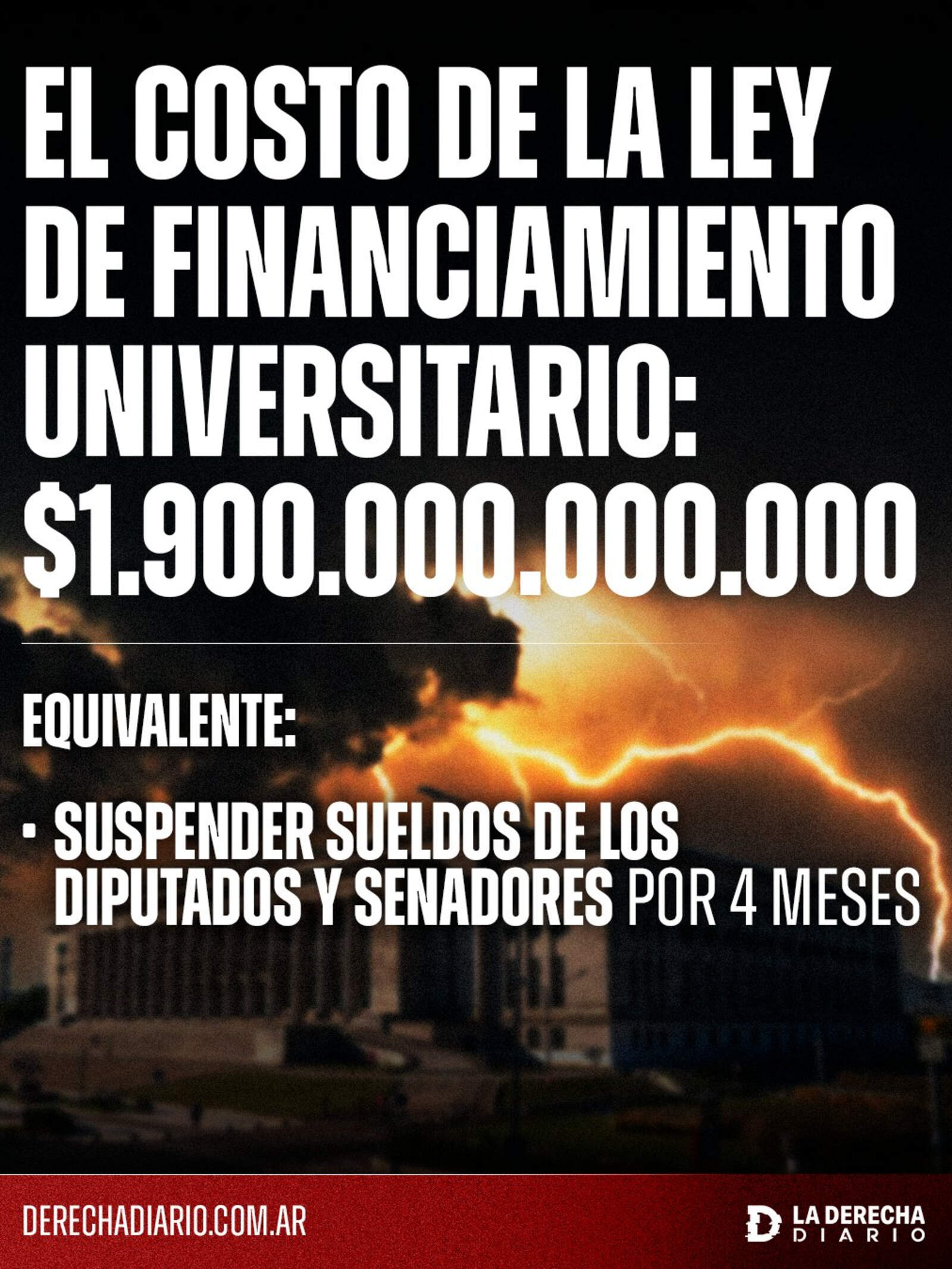
The implementation of the deficit-ridden law would be equivalent to suspending the salaries of deputies and senators for four months, increasing the VAT from 21% to 24% for a period of 45 days, suspending all social programs for three months, eliminating energy subsidies for four months, freezing the Judiciary's budget for five years or, as another alternative, suspending public transportation subsidies for a year and a half.

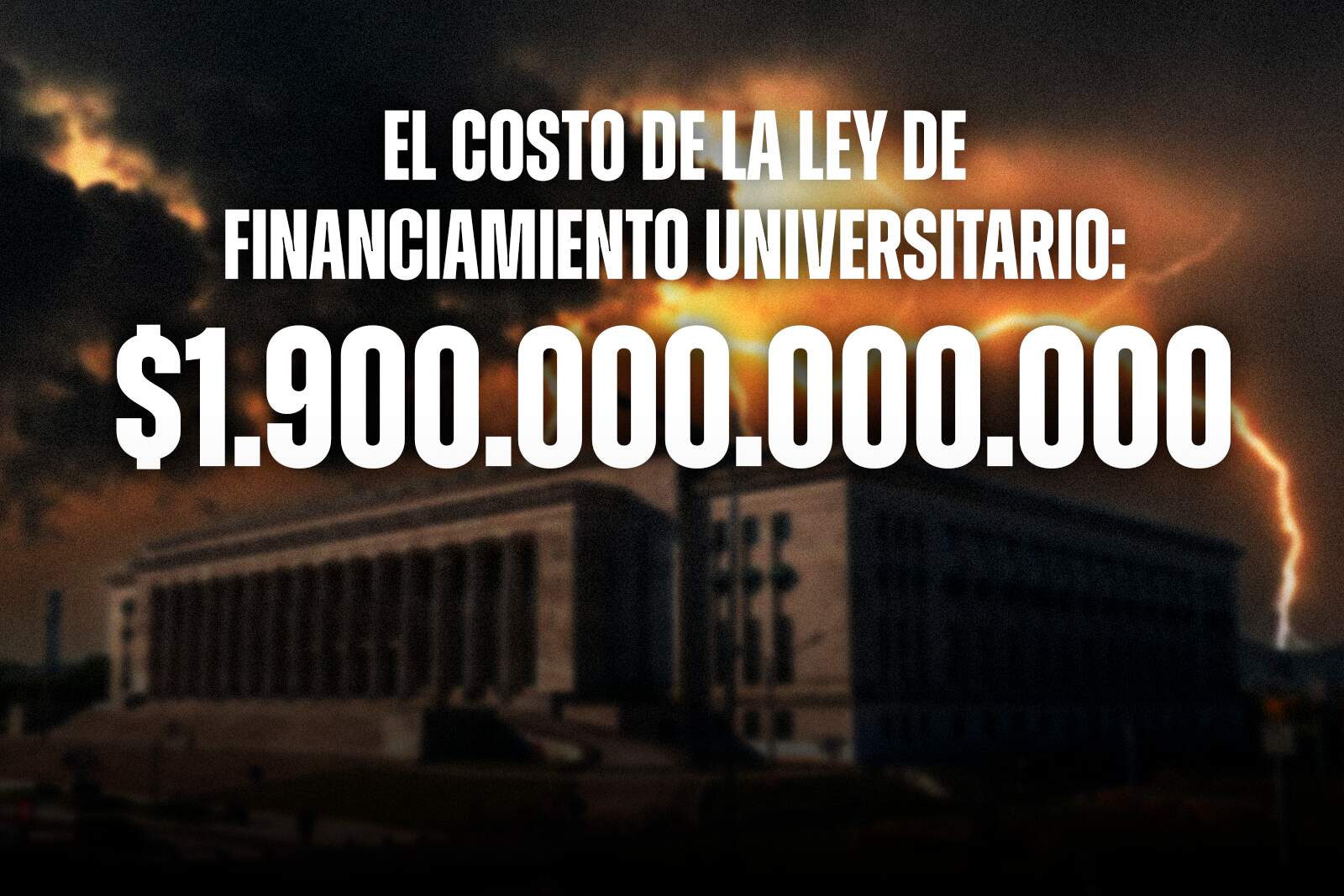
El costo real de la Ley de Financiamiento Universitario: $1.900.000.000.000 en gasto
These figures, which represent $1,900,000,000,000 in additional public spending, are a clear demonstration of the irresponsibility of those who promote the law. President Milei's veto was a necessary decision to protect Argentines and prevent the country from falling back into the chronic deficit spiral that in the past led to runaway inflation, indebtedness, and the destruction of the country's economy.
With the Senate as the next stage for debate, the ruling party will seek to continue defending the veto and fiscal balance, the cornerstone of the libertarian administration's economic program, which succeeded in ending inflation, reducing poverty, and generating economic growth.