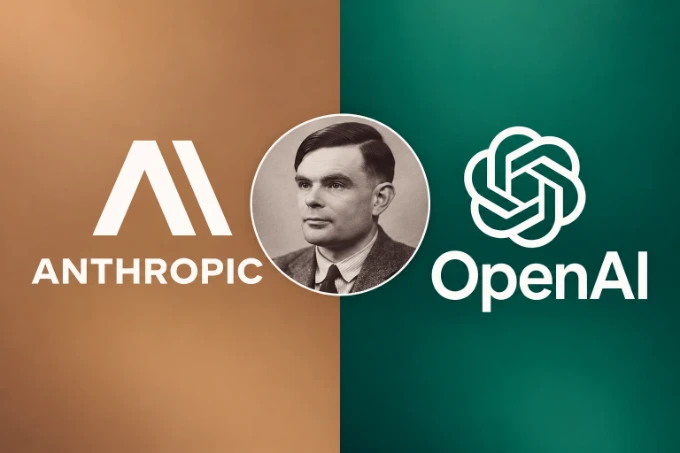

Alan Turing is primarily remembered for the test that bears his name, which seeks to distinguish whether a machine can think like a human being. However, the most decisive challenge he faced in his lifetime was another: deciphering the Enigma code used by Nazi Germany during World War II. Today, two cutting-edge artificial intelligence models seem to be finishing the work that Turing and his team left unfinished.
A pair of cryptanalysts managed to break two messages from Enigma machines that had remained unsolved for years. They did this using OpenAI's Astra models and Anthropic's Claude Opus. While Turing and his collaborators built the Bombe, one of the first computers, to translate those messages in real-time, some archived texts could never be read. In most cases, the problem was a poor transcription or errors from the original encoders themselves.
Carter Leffen, a developer, simply asked Astra to search a database of Enigma messages for any that had not yet been deciphered and to solve it. The model did exactly that. First, it researched files on its own, gathered contextual clues, built a simulator of the Enigma machine, and finally retrieved the plaintext of a message that had puzzled researchers since 2005. It even used Astra to build an interactive website that explains the entire problem.
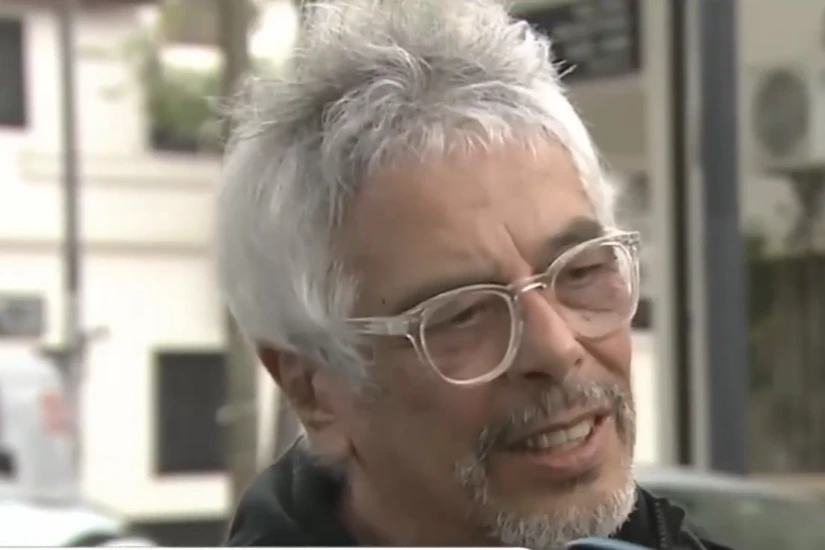
Frode Weierud, a retired electrical engineer with a lifelong passion for cryptology, maintains the Crypto Cellar site, which gathers resources, records, and a database of messages. Last week, he validated Leffen's solution and said it left him in a state of amazement.