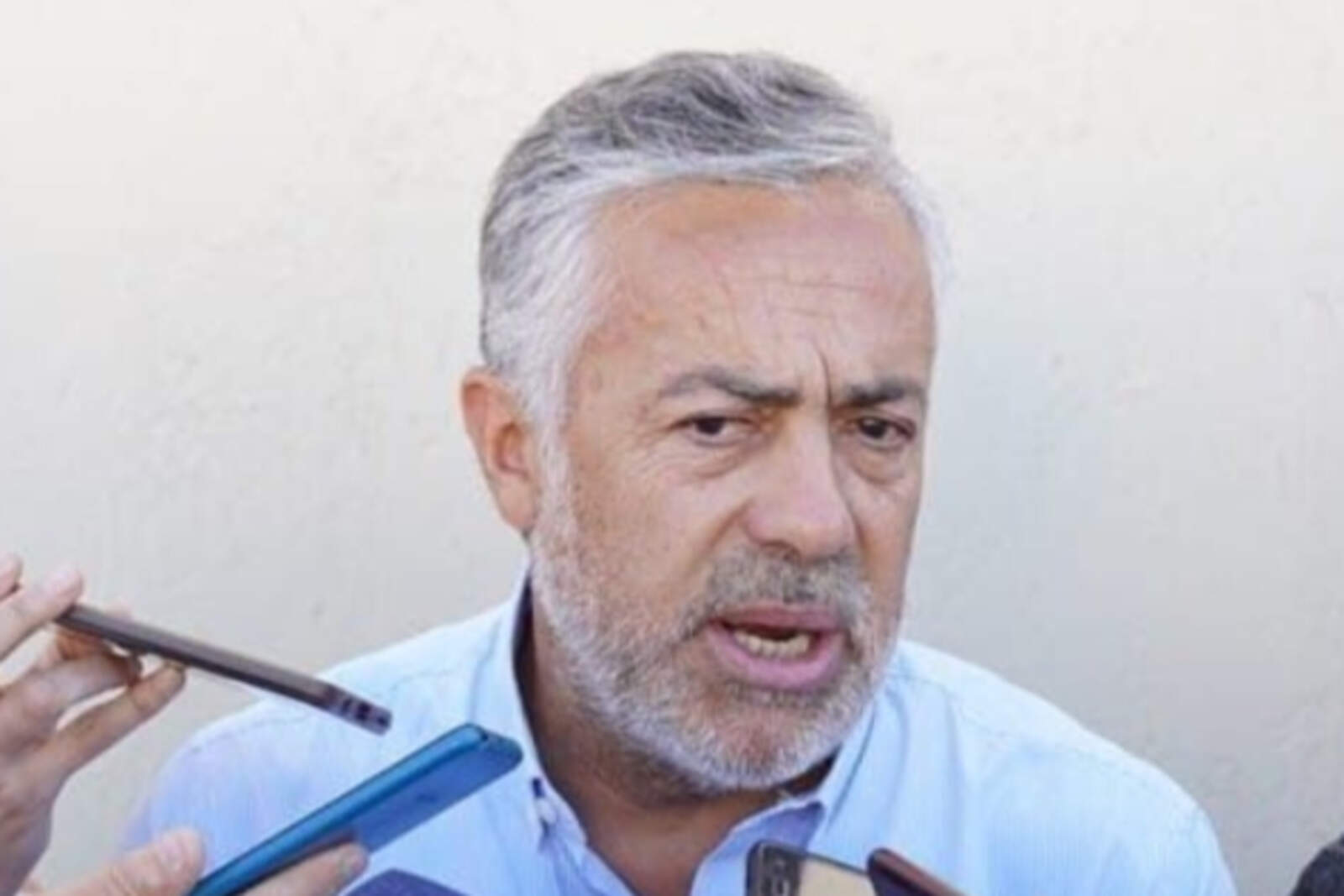

The Unión Cívica Radical is preparing for a key internal election in December, when it will have to choose Martín Lousteau's successor as head of the National Committee. In this scenario, the Mendoza native Alfredo Cornejo emerges as the leader with the greatest consensus within the party, followed by Corrientes's Gustavo Valdés, both governors with strong territorial influence and representation in the national structure.
The renewal of authorities, scheduled for December 15, comes at a critical moment for the UCR, which suffered a sharp reduction in its legislative representation: it will go from 14 to six deputies and from 13 to nine senators. This setback has set off alarms among the leadership, which is now seeking a clear direction and leadership with a vocation for power.
Radicalism seeks to recover and regain influence
During Lousteau's administration, radicalism faced strong internal divisions. The senator from Buenos Aires adopted different positions in Congress, which caused tensions with governors and leaders who prioritized supporting the national government. In that context, Valdés was one of the first to distance himself, pointing out that Lousteau's leadership "was out of step" with the party's majority thinking.