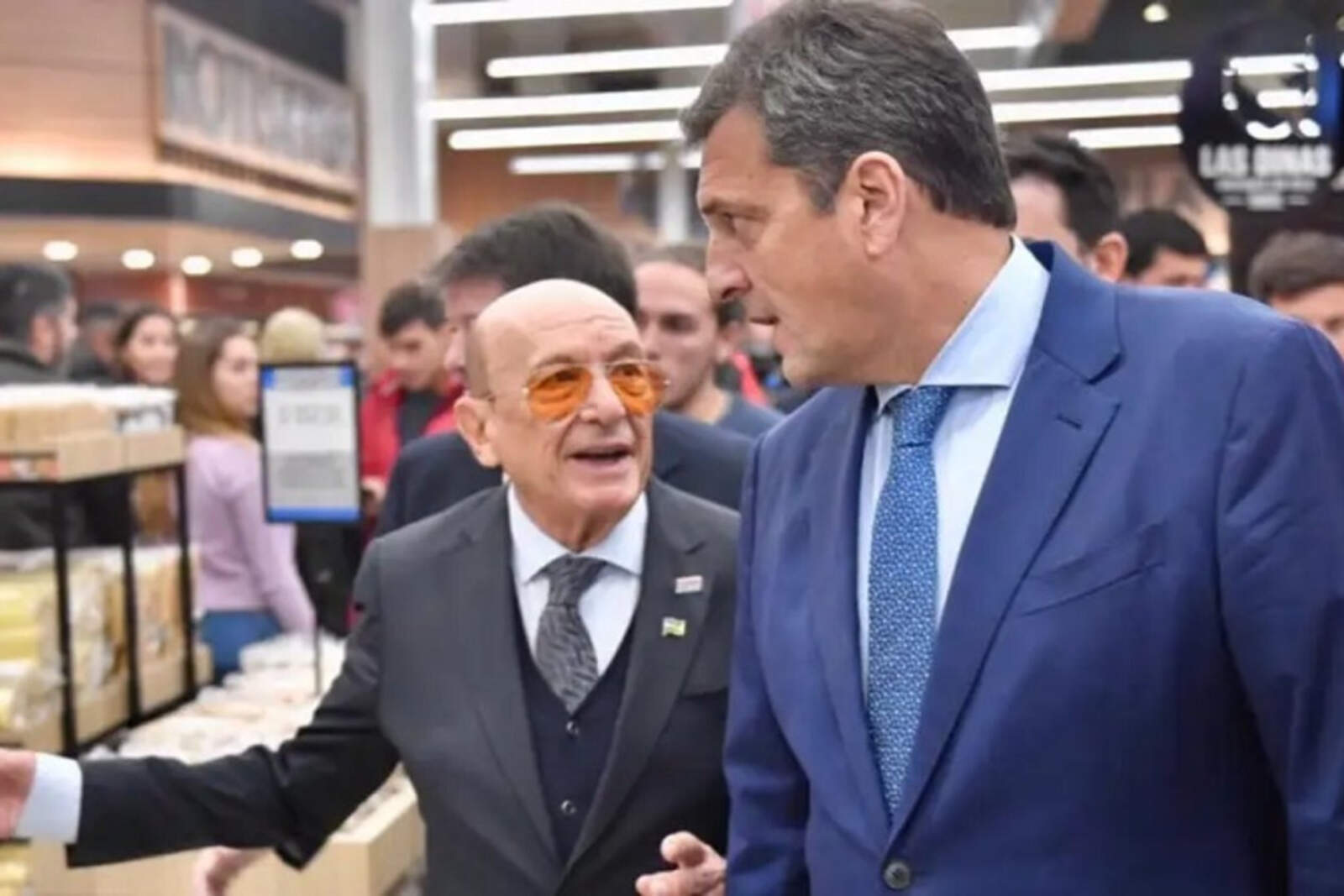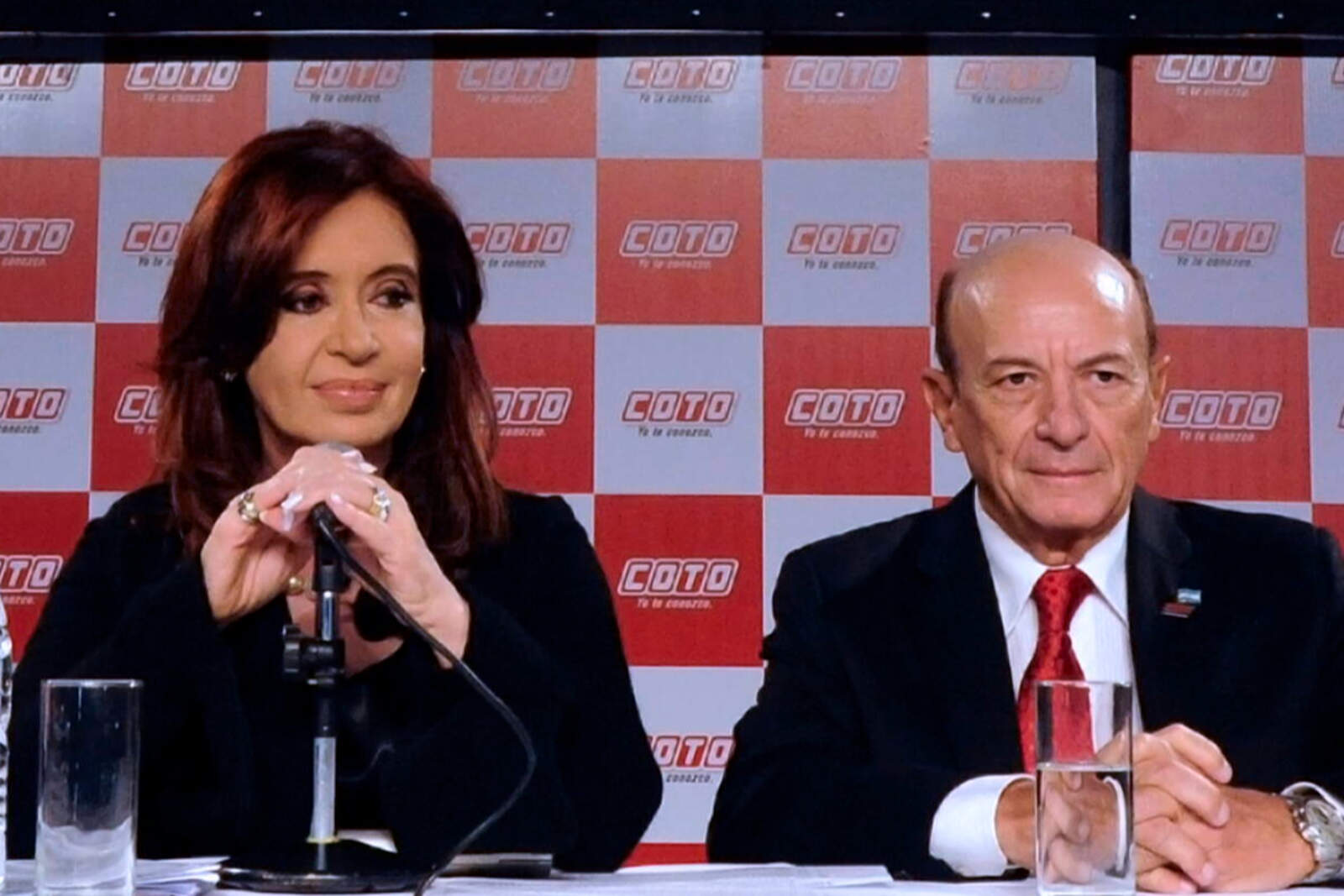

For years, Alfredo Coto was presented as the honest businessman. However, behind the narrative of the supermarket owner confronting those in power, there is a story of mutual conveniences, subsidies, financial bailouts, and a close alliance with Kirchnerism, which allowed one of the richest men in the country to expand his empire.
Owner of the Coto CICSA chain, the third largest in Argentina and the leading one with national capital, Alfredo Coto amassed a fortune estimated at 450 million dollars, according to Forbes 2020.
His empire, which began in the meat business and was transformed into a powerful vertically integrated structure, from slaughterhouses to supermarkets, managed to adapt astutely to each government. However, it was during the years of Kirchnerism that his expansion was consolidated, in the midst of an inflationary context that harmed millions of Argentines and benefited those who could change prices or receive state support.
From public confrontation to private agreement
In November 2005, when inflation began to overwhelm official statistics, Coto dared to warn that the annual rate would reach 12%. The response from then-president Néstor Kirchner was furious and public: "Mr. Coto, I know you very well and I know how you work on the pockets of Argentines," the president declared, accusing him of speculating with prices.
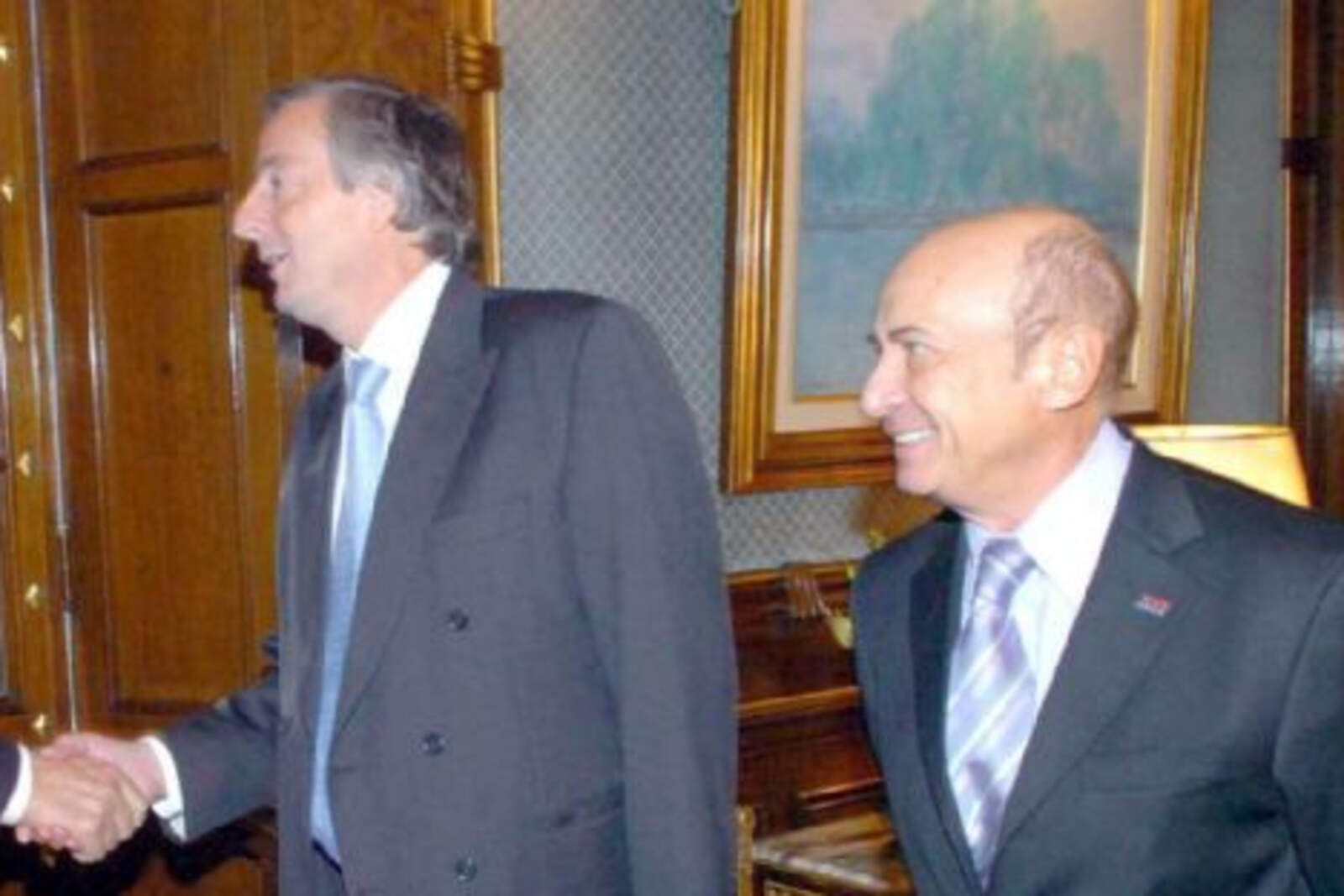
However, just a week later, the tone changed completely. Coto was received at the Casa Rosada and, after the meeting, he stated that the encounter had been "very cordial" and that his company would collaborate with the Kirchnerist government to "control prices." From then on, the relationship was transformed: the supermarket owner who had been singled out as responsible for inflation became an ally of the K model.
That docility, obviously, brought him great benefits. In 2007, when the group was still burdened by significant debts, Néstor Kirchner's government intervened to facilitate a financial bailout of 200 million dollars. It was a direct gesture from the State to a businessman who, outwardly, continued to be presented as a victim of official interventionism, but who, behind closed doors, received political favor.