The revelations point to a powerful official in the supreme leader's inner circle and expose the structure with which Iran planned the attack carried out by Hezbollah.
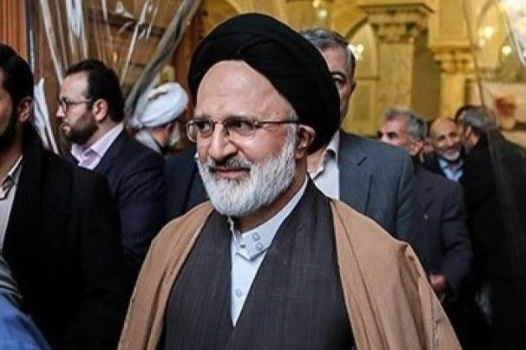
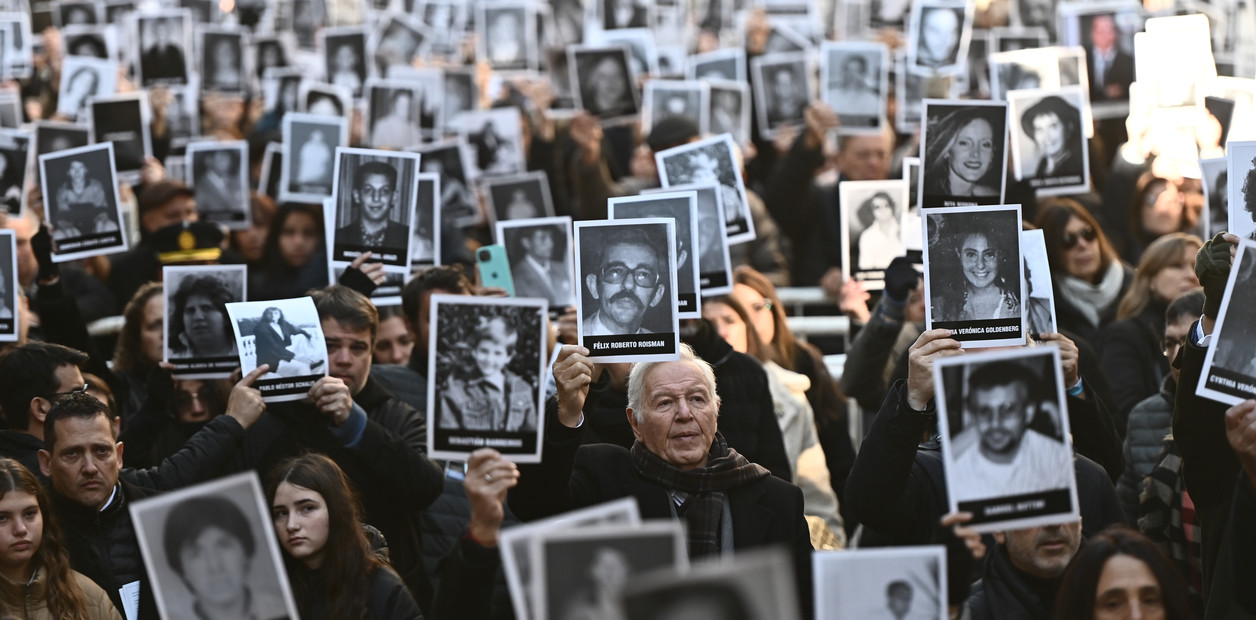
More than three decades after the terrorist attack against the headquarters of AMIA, which occurred on July 18, 1994 inBuenos Aires, new evidence reinforces the so-called “Iranian trail” in the investigation of the attack that left 85 dead and dozens injured, one of the most serious acts of terrorism international in Argentine territory. The information comes from new statements made by Iranian dissidents to the UFI-AMIA Fiscal Investigation Unit, which reactivated the focus on the role of Iran's theocratic regime in planning and financing the attack. The most relevant testimony points directly to Ali Asghar Hejazi, a senior official in the Iranian intelligence apparatus who for years was considered one of the most influential figures within the circle of
power in Tehran.
As it became known, last December UFI-AMIA traveled to France to take statements from four Iranian dissidents residing in that country. The witnesses had already testified before Judge Juan José Galeano in 1998, but this time they expanded their testimony and provided new information about the planning of the terrorist attack. Among them, the testimony that generated the greatest impact was that of the dissident Hadi Roshan Ravani, who pointed directly to Hejazi as the main organizer
of the operation. FRIEND.
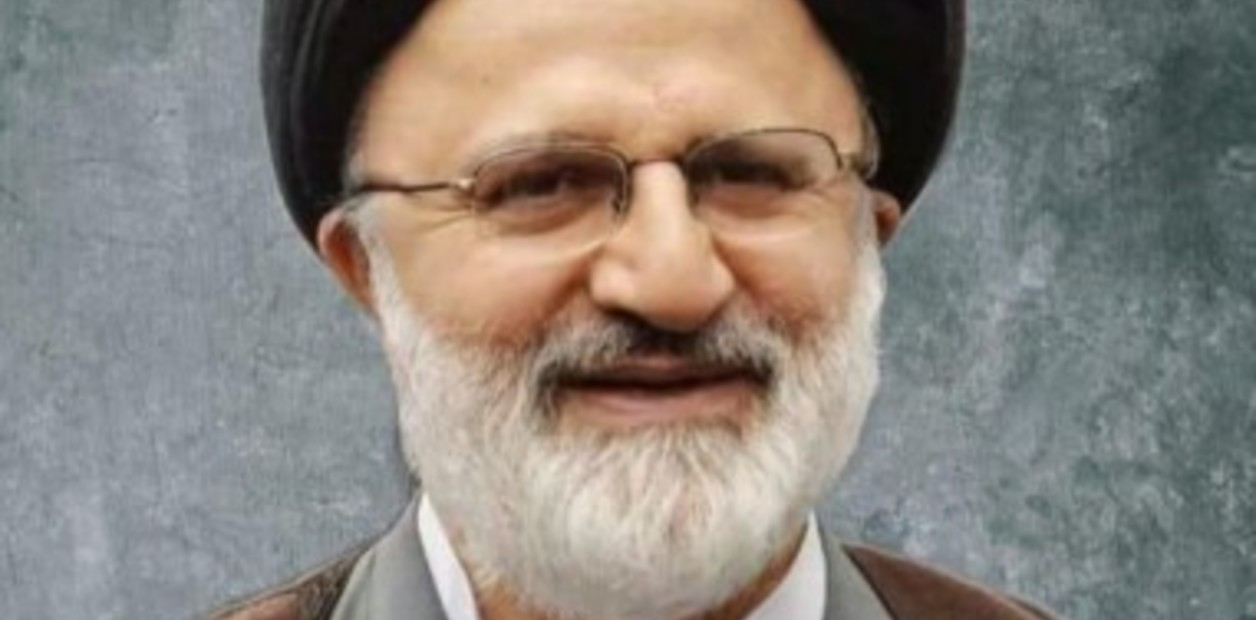
“Ali Asghar Hejazi was the highest authority responsible for the attack on AMIA. He oversaw the preparations in Iran and traveled to Argentina to ensure the success of the operation,” Ravani told the researchers. According to his account, Hejazi - who until a few days ago served as the deputy chief of staff of supreme leader Ali Khamenei - was also considered the “right hand” of Ayatollah Ali Khamenei, the supreme leader of the Iranian regime. He also had a direct relationship with Mojtaba Khamenei, son and possible successor
of the religious leader.
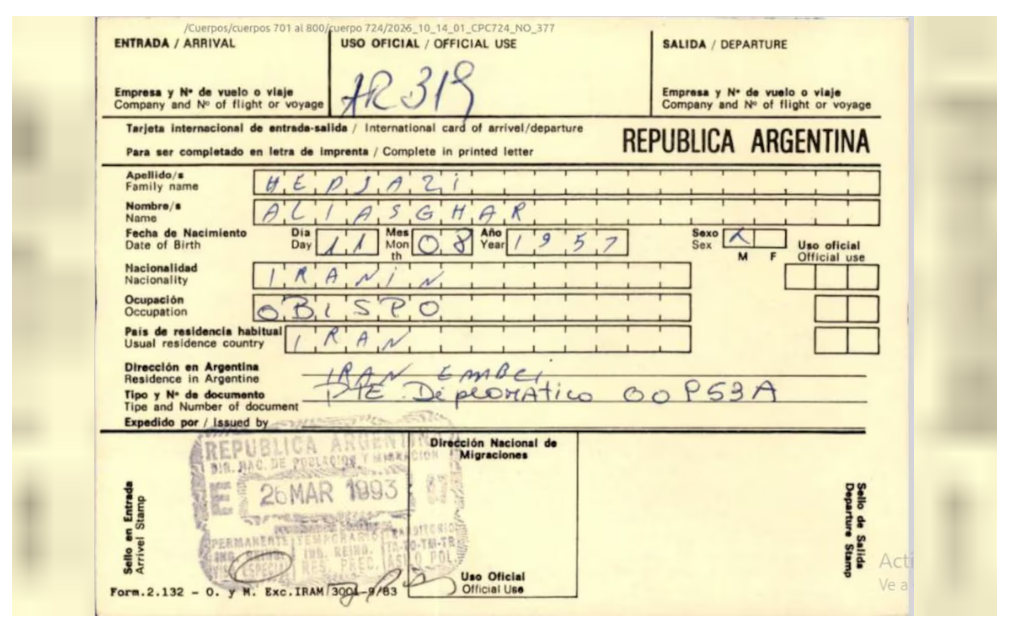
One of the strongest facts provided in the testimony is that Hejazi traveled to Argentina in 1993, that is, a year before theattack, to personally verify the viability of the terrorist operation. According to Ravani, the Iranian official entered the country on March 26, 1993, characterized as a “bishop”, with the objective of supervising the preparations and confirming that the agents who would participate in the attack were reliable
.
“Ali Asghar Hejazi was the highest authority responsible for the attack on AMIA. He began in Iran supervising the preparations for the attack and in 1993 he traveled to Argentina to ensure the viability of the operation and that the agents who were going to act were reliable. It was not a simple oversight, he was held to account and if he traveled to Argentina it was to ensure the veracity of the information he had received and the success of the operation,” said the dissident.
In his statement, Ravani also stated that the attack was carried out by the Lebanese Islamist group Hezbollah, an organization that would have acted with logistical support and direct funding from the Iranian government.
Ali Asghar Hejazi
The structure behind the attack
During his presentation, the Iranian dissident also explained how the regime's internal mechanism works to approve terrorist operations abroad. As he explained, actions of this type are decided within a body called the Vijeh committee, chaired precisely by Ali Asghar Hejazi. “A terrorist operation is determined by the Vijeh committee, which then submits it to the approval of the national security council. With the endorsement of the supreme leader, it is executed,” he said
.
Ravani also assured that Hejazi was “the most important person in the regime after Khamenei”, with direct access to both the supreme leader and his son Mojtaba, making him a central figure in the regime's power structure. The witness also explained that the preparation of the attack would have started as early as 1983, when the Iranian regime sent Mohsen Rabbani to Argentina. Rabbani later served as cultural attaché to the Iranian embassy in Buenos Aires, but according to the statement his real mission was to establish contacts and recruit people within
the local Muslim community.
“Iran began preparing for the attack in 1983, when Mohsen Rabbani was sent for this purpose. They applied in Argentina the same model that had been used with Hezbollah in Lebanon: identifying local Muslims to attract them to the mosques where Rabbani served as imam. Among these young recruits, Rabbani chose those who were likely to participate,” Ravani explained.
According to the testimony, Rabbani worked with Taha Abde Khodaei, cultural advisor at the Iranian embassy in Argentina since 1990.
Both would have sent reports to Tehran pointing out the vulnerabilities of the Jewish community in the country, information that would later have been used by the regime to move forward with the planning of the attack.
Ali Asghar Hejazi
The document published in Iran
As part of the evidence presented to the researchers, Ravani also provided an excerpt from the Farsi newspaper Iran Zamin, published a month after the attack.
The article mentions “extensive terrorist activities of the regime in some countries of South and Central America and, especially, in Argentina”. The text also describes that within the Iranian regime Argentina was considered a strategic objective, which they referred to as “the Second Israel”, due to the presence of a large Jewish community. “Among the leaders of the regime, Argentina is known as the 'Second Israel' because of its large Jewish population,” said the document quoted by the witness
.
The same article also referred to a report in document number 379 of the Ministry of Culture and Islamic Guidance, which analyzed the situation of the Muslim community in the country. According to that report, around 400,000 Arabs from the Middle East had migrated to Argentina, of whom about 250,000 were Muslims. “Muslims in Argentina are made up mostly of Arabs who come from the Levant regions, that is, Lebanon, Syria and Jordan,” the document said. He also argued that, after the Islamic Revolution in Iran, there had been “a transformation” among young Muslims in the region, who expressed “their return to themselves and their repulsion for Argentine culture, and their enthusiasm for the Islamic Revolution.