The measure seeks to accelerate the admission of applicants who face situations of violence and discrimination in South Africa.
According to a State Department document dated January 27, the goal of the U.S. government is to process up to 4,500 asylum requests per month. To achieve this, temporary modular structures are being installed on the premises of the United States embassy in Pretoria, in order to expand operational capacity and streamline interviews, evaluations and
administrative procedures.
The project includes the construction of a “modular village” consisting of 14 prefabricated buildings that will serve as temporary offices for the personnel responsible for processing cases. The contract to install these structures, valued at approximately 772,000 dollars, was awarded to a South African company due to the urgency of having a safe space to
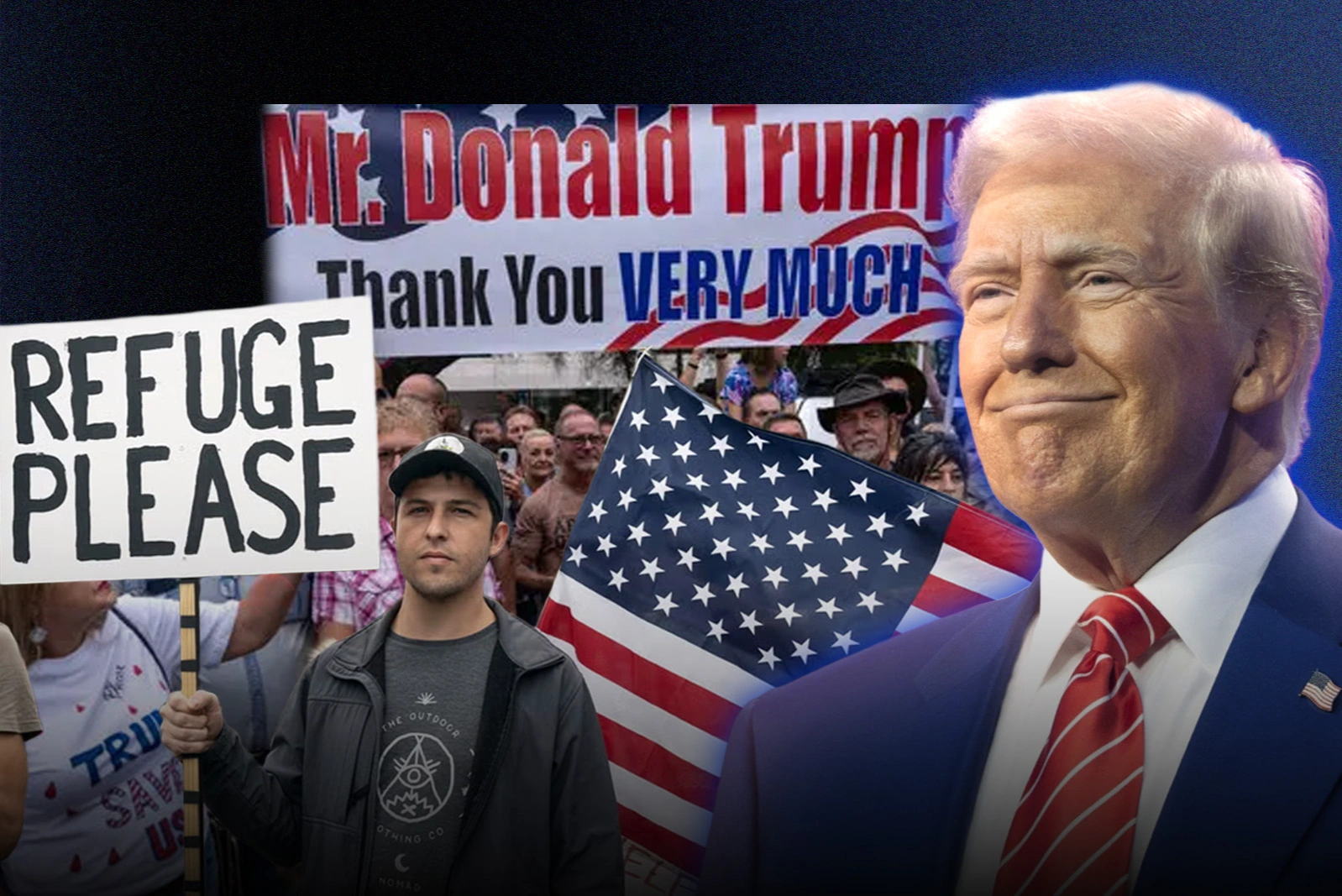
continue operations. President Trump pushes for an initiative to admit at least 4,500 white South African citizens per month
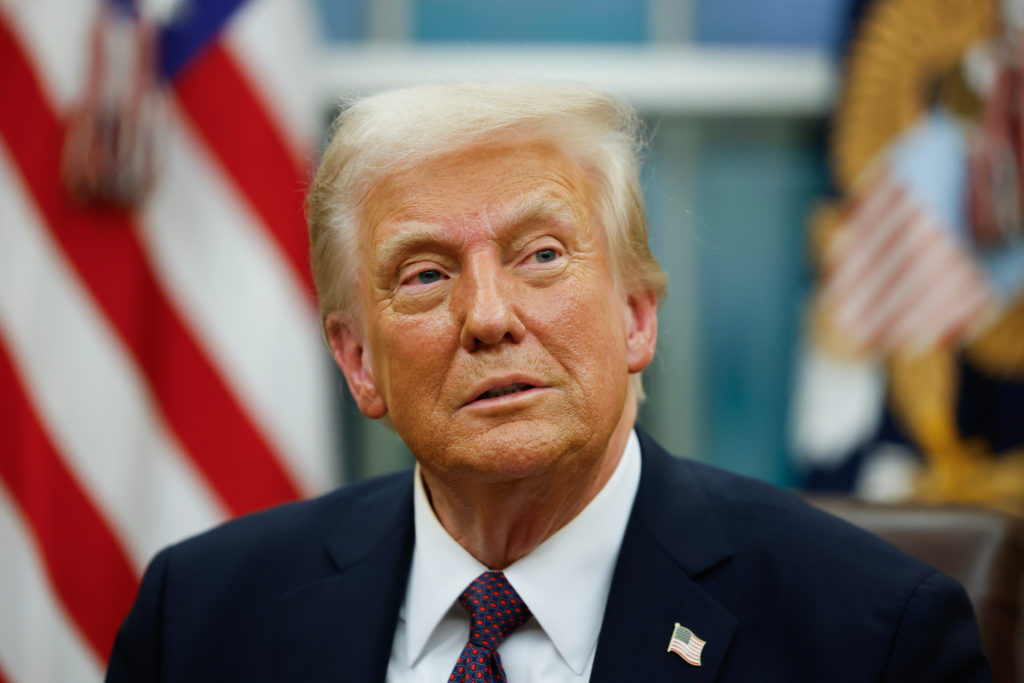
The initiative is part of the immigration policy implemented by Trump after assuming the presidency again in 2025. Although the president established a global limit of around 7,500 refugees for fiscal year 2026, the program aimed at white South Africans was considered a humanitarian priority within
his administration.
U.S. officials maintain that the measure seeks to provide protection to people who report violent attacks, especially in rural areas where attacks against farmers have been reported. From Washington's perspective, providing refuge to those who allege persecution is consistent with the country's historic tradition of offering asylum to at-risk populations
.
Since the launch of the program in May 2025, nearly 2,000 white South Africans had been admitted to the United States as refugees as of January 31. However, the pace of admissions has increased in recent months. According to official figures, approximately 1,500 people entered the country between December and January, compared to about 500 who had been accepted during the previous six and a half months
.
Interest in the program has also been high. The South African Chamber of Commerce in the United States reported last year that more than 67,000 people expressed interest in moving to the United States
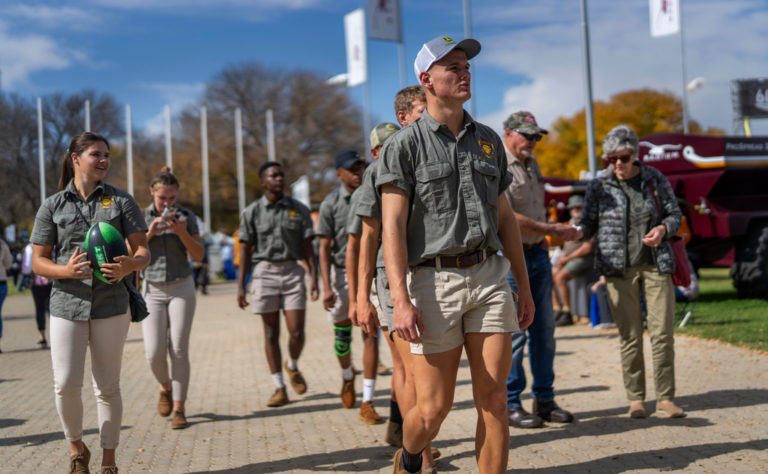
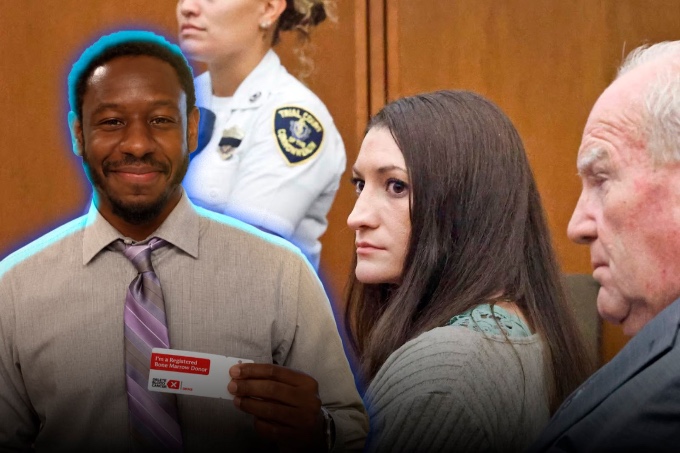
under this immigration scheme. There have been numerous attacks on white farmers in South Africa
However, the process has faced some administrative obstacles. In recent weeks, the U.S. government temporarily suspended all refugee travel to the country due to operational factors, causing system delays. In addition, due to the restrictions imposed on the refugee program following the executive order signed in 2025, each case must receive individual approval from the Secretary of State, Marco Rubio, and the Department of Homeland Security
. The
South African authorities, for their part, have questioned the valid arguments of the US government. Foreign Ministry officials maintain that there is no evidence of systematic persecution against the Afrikaner population. Even so, they indicated that they will not interfere with the program as long as it is kept within legal frameworks
.
Tensions between the two countries increased in December, when South African authorities raided a commercial building in Johannesburg where asylum requests were being processed. During the operation, several contractors linked to the program were arrested for alleged visa irregularities, and two U.S. officials were
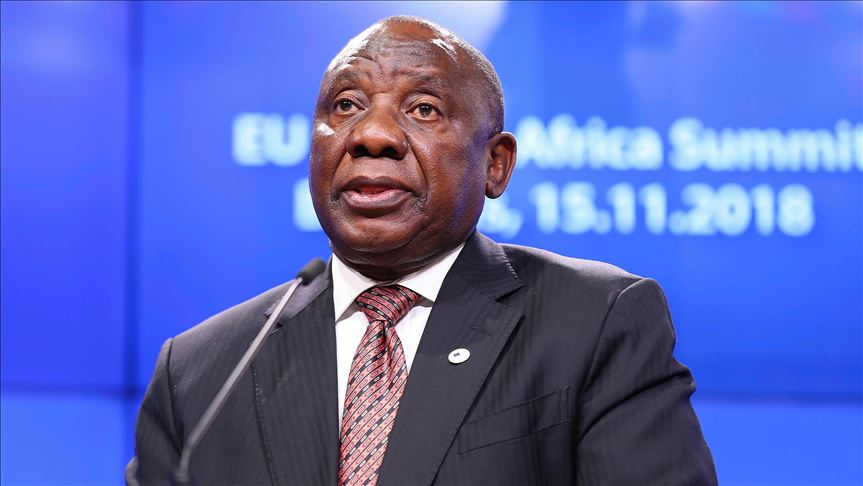
briefly held. The South African socialist government has hindered efforts to process white refugee procedures
After diplomatic negotiations, both governments reached an agreement to allow the processing of requests to continue, albeit in a more secure location. As a result, operations were moved to controlled facilities within the diplomatic compound
in Pretoria.
Despite logistical and diplomatic challenges, the Trump administration remains committed to the program. The expansion of the infrastructure at the embassy and the increase in processing capacity reflect the objective of accelerating admissions and responding to what the White House considers a humanitarian priority within its immigration policy