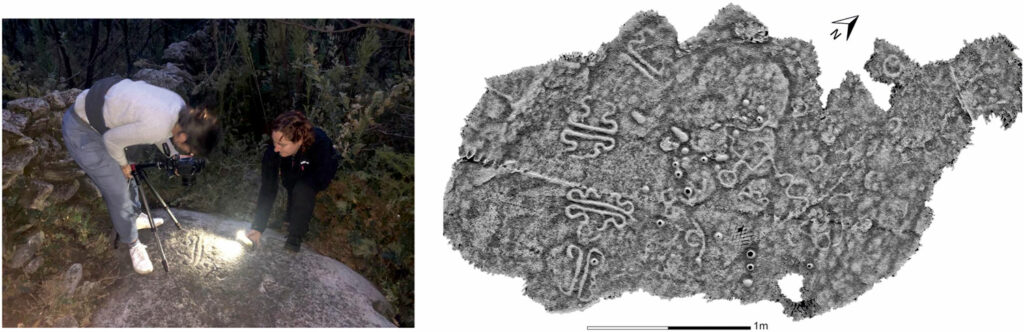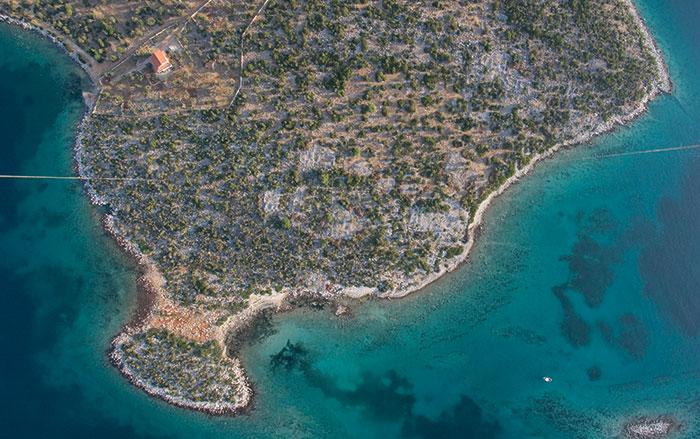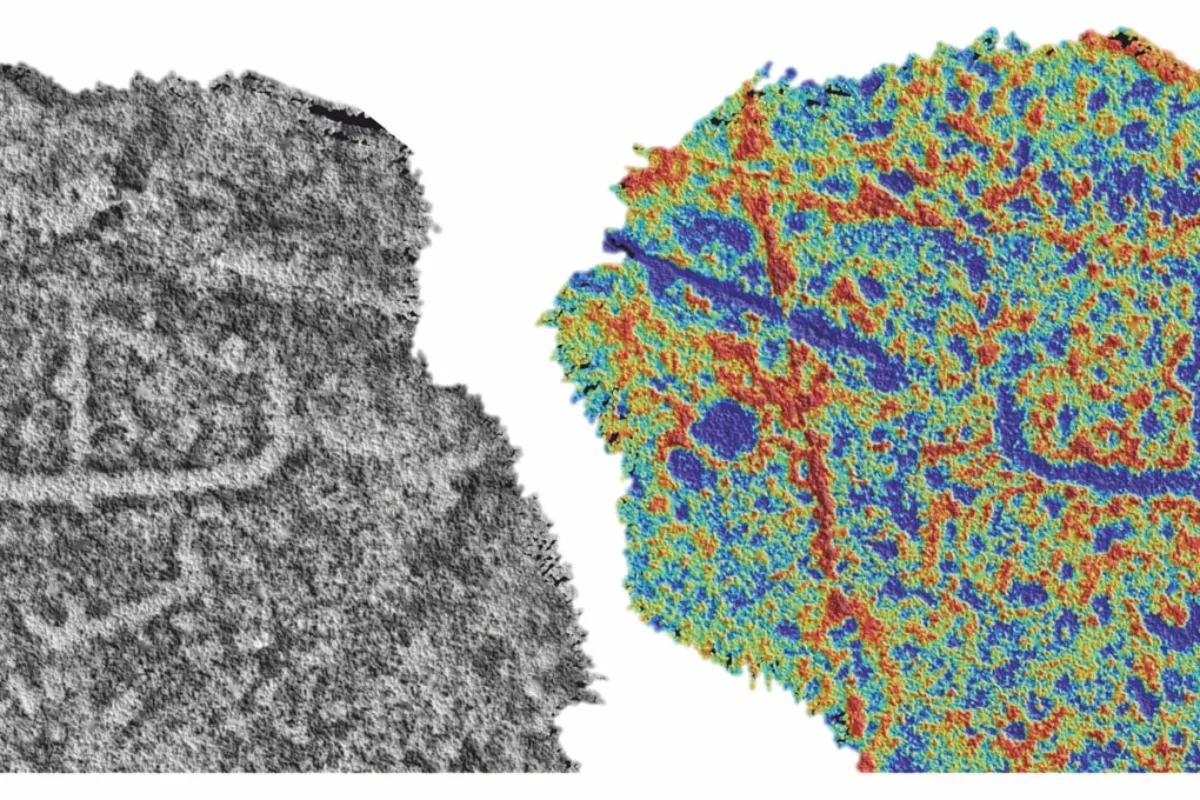

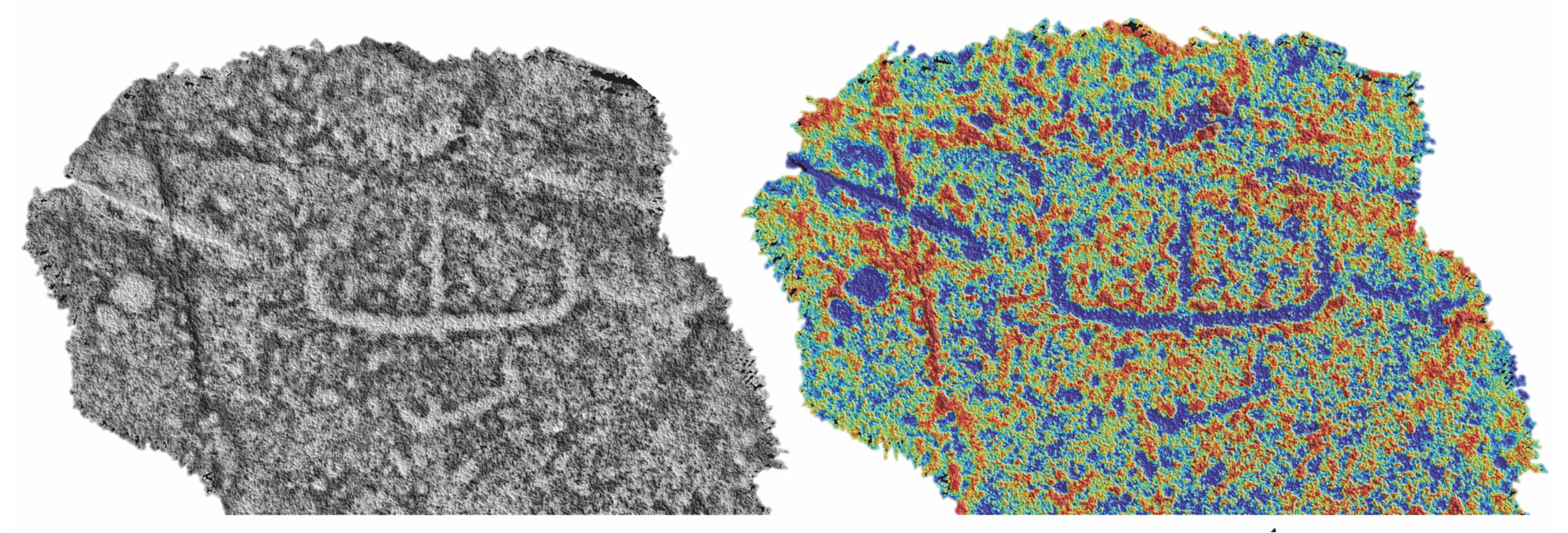
In Durham, England, a team of researchers led by Marta Díaz-Guardamino from Durham University made progress in the study of rock engravings depicting Bronze Age boats. They created three-dimensional models of these images found at a dozen sites in northwestern Spain and Portugal.
The specialists compared these findings with other similar engravings discovered in Scandinavia. One key aspect is that all the Iberian motifs were carved in locations where water could be seen in the landscape, suggesting a strong connection to the maritime environment.
The designs share distinctive characteristics between both regions. Among them are decorative birds, S-shaped forms, rigging, oars, silhouettes resembling sails, and solar crosses that recall representations from Norse solar mythology.
Thanks to this comparison, the team was able to date the Iberian engravings between 1300 and 800 BC.
Connections Across the Sea
It is not certain whether these artists were local sailors or travelers who came from other areas. However, the study indicates that during the Bronze Age, creators shared technologies and ideas through long-distance maritime networks.
This evidence reinforces the notion that the sea was not just a barrier, but a bridge connecting distant cultures. The 3D models allowed for detailed analysis that was previously difficult to achieve with traditional methods.