New Jersey will collaborate with the Department of Homeland Security to review 35,000 potential non-citizens in the voter roll, a step forward for Trump's electoral integrity agenda
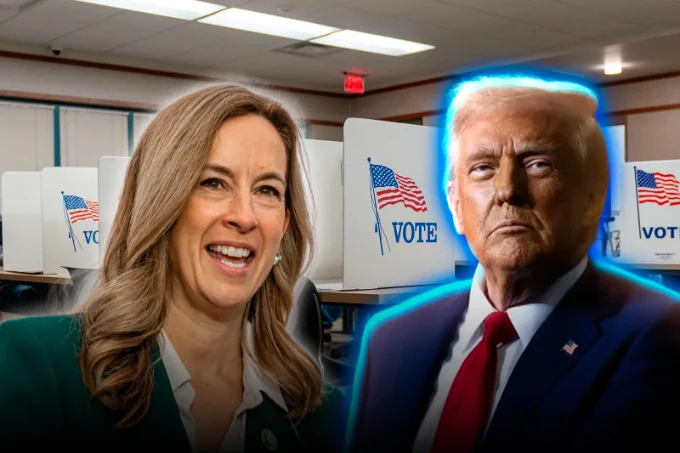
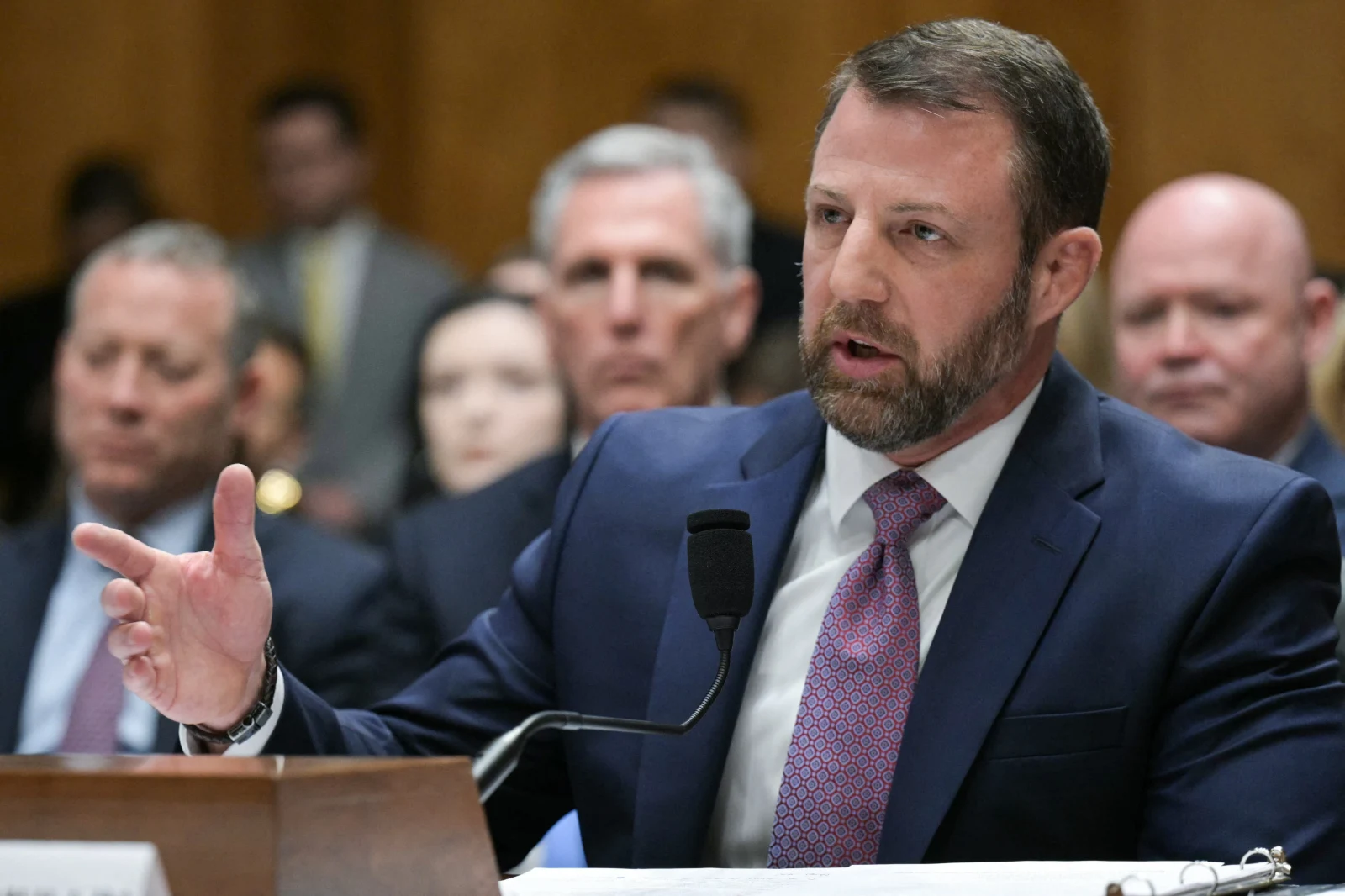
New Jersey agreed to collaborate with the Department of Homeland Security (DHS) to identify potential non-citizens registered in the state's electoral roll, as announced this Tuesday by the Secretary of Homeland Security, Markwayne Mullin. The agreement represents a step forward for the administration of Donald Trump in its campaign to strengthen electoral security and verify that only eligible citizens can participate in elections.
Mullin stated in a post on X that the DHS had initially identified about 35,000 individuals included in the electoral records of New Jersey who may not be U.S. citizens. The official warned that this number could increase as the review of the rolls progresses.
According to the DHS, a preliminary review had identified 35,152 potential matches of non-citizens in the state electoral records. The agency had requested New Jersey to individually verify these cases and cooperate with federal authorities on electoral security matters.
The Secretary of Homeland Security announced an agreement between the Trump administration and New Jersey to combat electoral fraud after identifying more than 35,000 non-citizens registered to vote
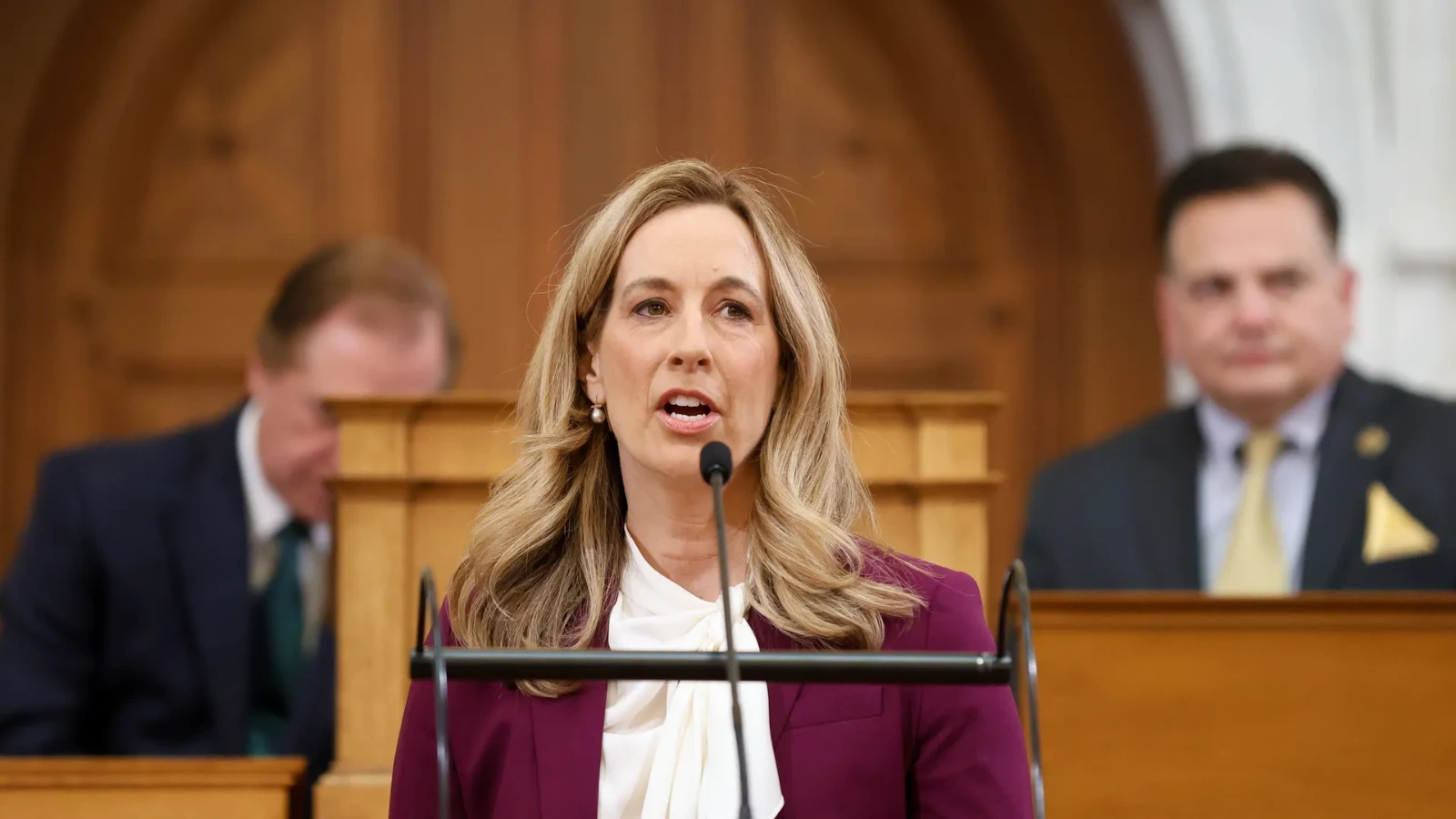
The announcement marks a significant change in the dispute between the federal government and New Jersey authorities. Until now, the Democratic governor Mikie Sherrill had refused to provide certain electoral information to the federal government, arguing that privacy laws prevented the disclosure of personally identifiable information.
Sherrill had also accused the Trump administration of attempting to ''instrumentalize the elections'' for political reasons. However, the new provision announced by Mullin opens the door to a closer cooperation between state and federal authorities to verify voter eligibility.
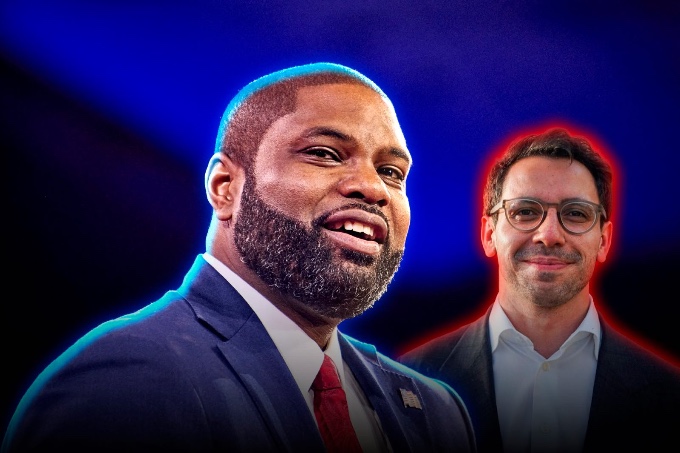
The Democratic governor of New Jersey recently rejected the delivery of electoral information to the federal government
A problem that New Jersey had already acknowledged
The controversy intensified in July when Sherrill acknowledged a separate issue related to the computer system of the New Jersey Motor Vehicle Commission. According to the Democratic governor, a software error that occurred during the previous administration resulted in approximately 6,600 non-citizens being improperly registered to vote between June 2023 and June 2024.
Of those individuals, fewer than 400 actually voted, according to information provided by the state.
However, a software provider linked to New Jersey's motor vehicle system questioned Sherrill's explanation and argued that the responsibility for verifying voter eligibility and registering those who meet the requirements fell to the state government.
The episode reinforced the Trump administration's arguments in favor of greater coordination between federal and state governments. For the DHS and the Department of Justice (DOJ), verifying citizenship and purging potential irregular records is a necessary measure to protect the integrity of elections.
The President of the United States has promoted greater cooperation between state and federal governments over the years to prevent electoral fraud
Trump prioritizes electoral integrity
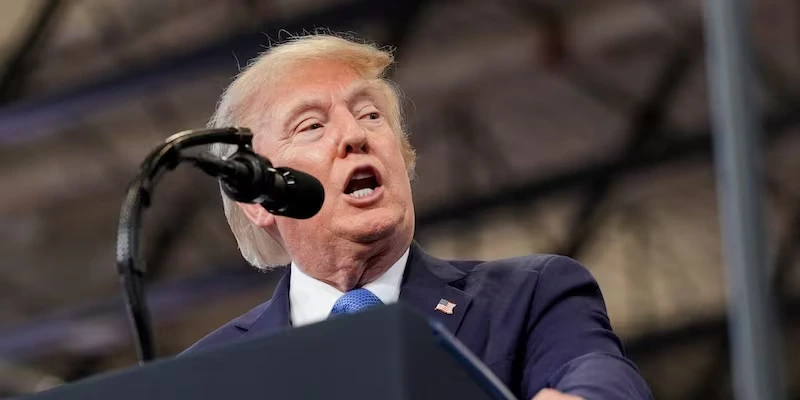
President Trump has made electoral security one of the priorities of his second term. His administration has pushed for measures aimed at strengthening citizenship verification mechanisms and providing federal assistance to states to review their records.
Trump signed executive orders in 2025 and 2026 aimed at facilitating cooperation between federal agencies and state governments in verifying electoral eligibility.
The president has also repeatedly pressured Congress to pass the ''SAVE America'' bill, a proposal that would require proof of U.S. citizenship to register to vote in federal elections.
Trump has argued that existing vulnerabilities in the electoral system can be exploited and that authorities must take preventive measures to avoid fraud, foreign interference, and registrations of individuals who do not meet legal requirements.
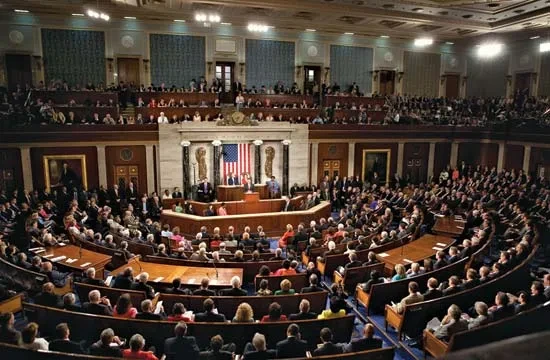
The U.S. Congress still needs to vote on the SAVE America Act, which requires proof of U.S. citizenship to be able to vote
In July, the president dedicated a prime-time speech to the deficiencies that exist in U.S. electoral systems. Trump stated that the system is vulnerable and needs reform to regain citizens' trust.
The federal effort is not limited to New Jersey. The Department of Justice has filed 31 lawsuits against 30 states and Washington D.C. aimed at obtaining complete information from electoral records. Although federal courts have initially dismissed lawsuits in several states, the processes continue through appeals.
In the case of New Jersey, a federal judge dismissed the DOJ's lawsuit on July 29, determining that the Civil Rights Act of 1960 did not authorize the federal government to compel the state to provide its computerized electoral list. The Department of Justice appealed the decision to the Third Circuit Court of Appeals on August 17.
The new agreement between New Jersey and DHS could change the political and judicial landscape. Although it will still be necessary to individually verify the tens of thousands of identified matches, state cooperation allows progress on an issue that the Trump administration considers fundamental: ensuring that electoral rolls are accurate and that those participating in elections meet the requirements established by law.
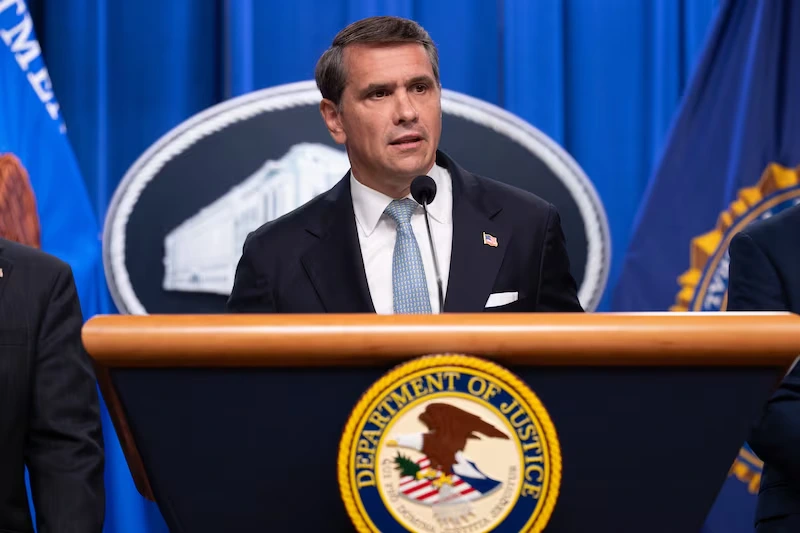
The Justice Department of the Trump administration will continue working to improve voting conditions in elections