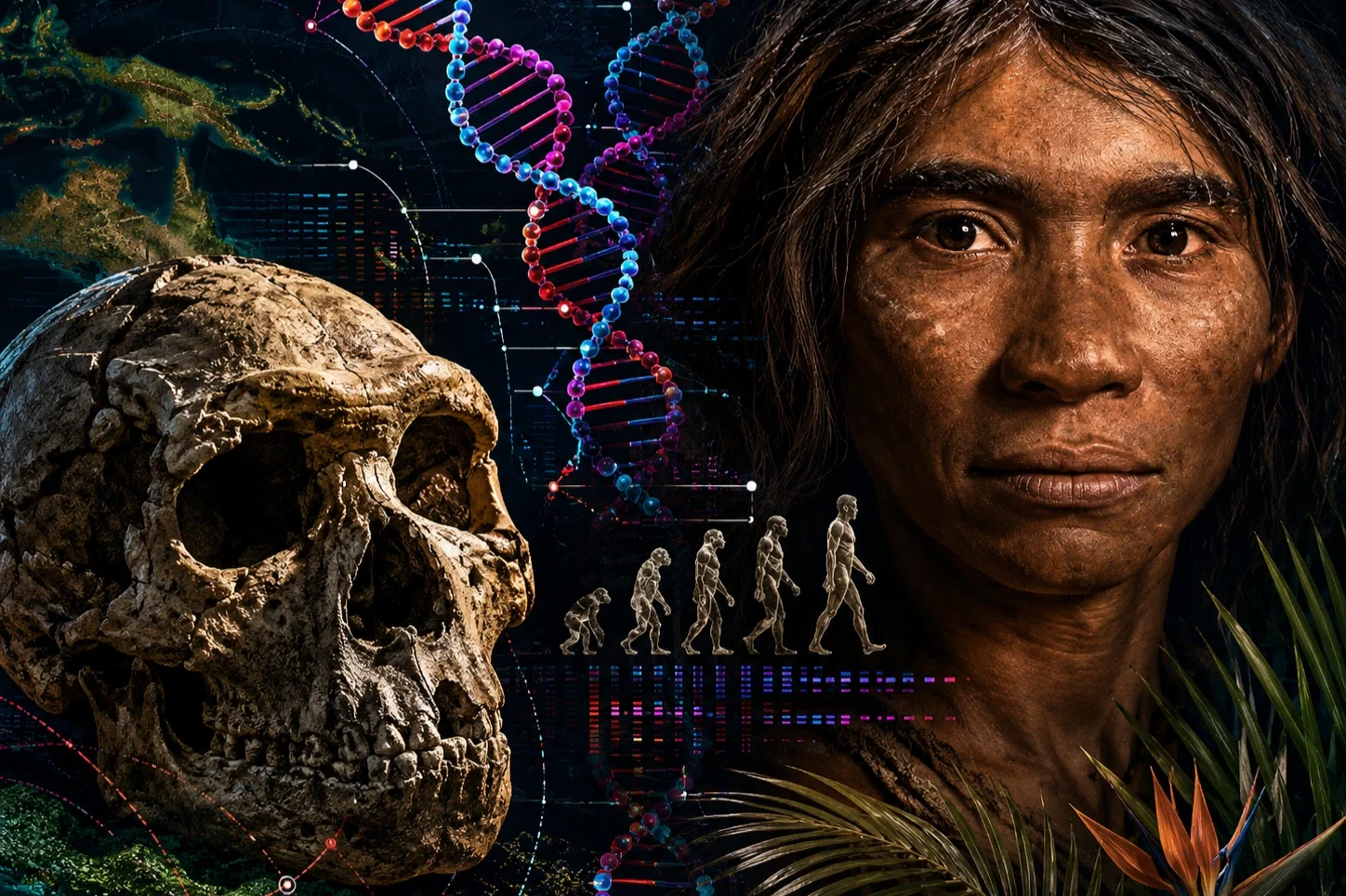

Ancient Denisovan DNA continues to shape human immunity today

Ancient Denisovan DNA continues to shape human immunity today
Imagen de Editorial Team
porEditorial Team
Argentina

Ancestral encounters between humans and Denisovans continue to influence the current biology of populations in Oceania

Add La Derecha Diario on
Share:

Researchers from Yale University conducted a thorough analysis of the genomes of Near Oceanian populations that reveals how DNA inherited from the Denisovans, an extinct human group, remains active in present-day individuals. This work helps fill important gaps in genetic studies, which have traditionally focused more on populations of European descent.

By sequencing the genomes of 177 individuals from 12 distinct populations in regions such as Papua New Guinea, the Bismarck Archipelago, and the Solomon Islands, the scientists combined this data with over a thousand previously published genomes. In this way, they managed to reconstruct part of the history of the first Pacific settlers, who arrived at least 45,000 years ago.

One of the most relevant findings is that the ancestors of these populations interbred with at least three different groups of Denisovans. This left genetic variants that persist to this day and are not just inactive remnants of the past.

These variants actively influence gene regulation, which represents a significant advance in understanding how evolution shaped our biology.
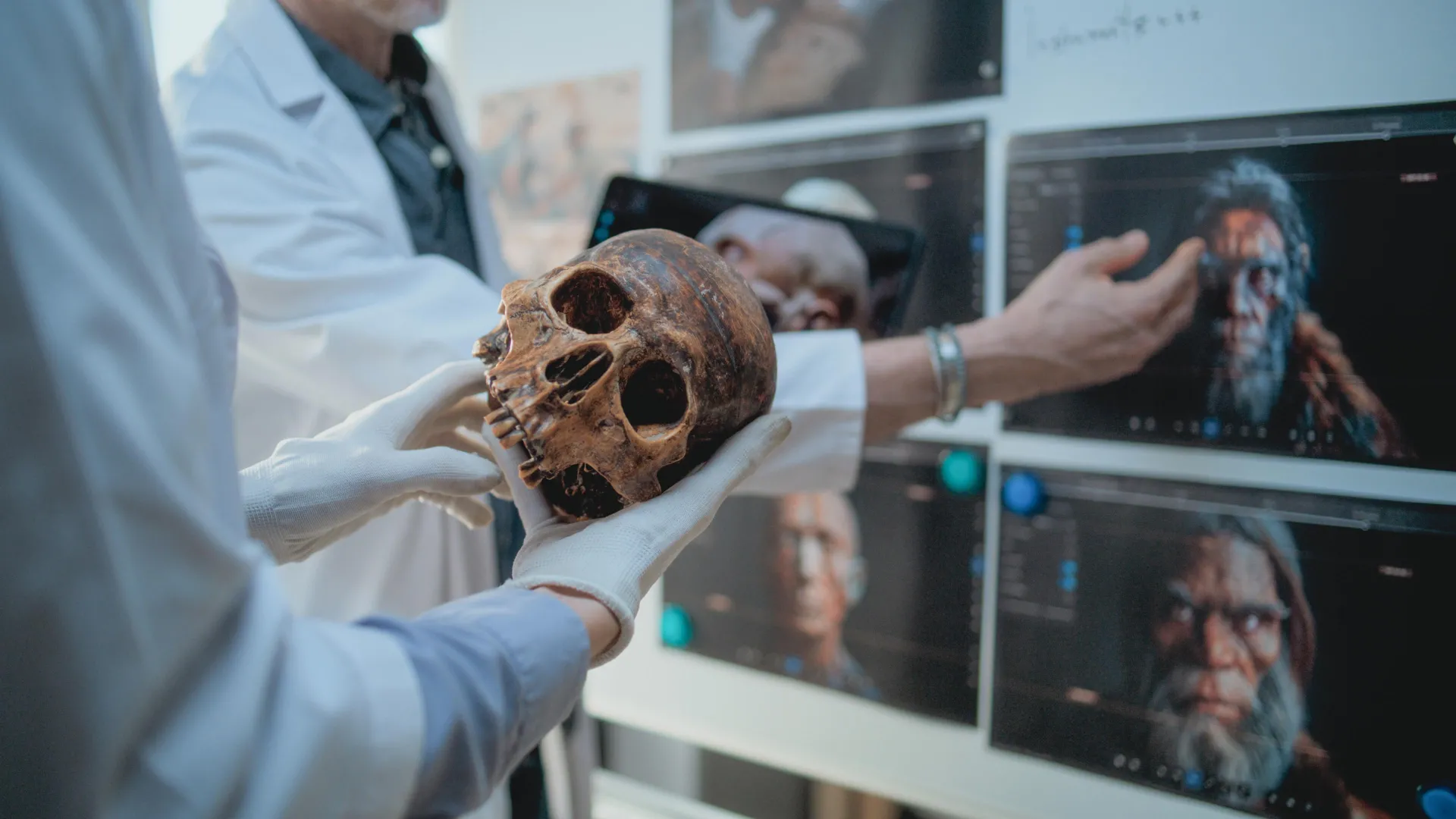

Ancient Denisovan DNA still shapes human immunity today

Variants that strengthen defenses

Using an advanced technique called massively parallel reporter assay, the team identified over 3,100 variants that modify gene expression. Many of them are linked to the interferon gamma signaling pathway, crucial for the immune response against infections.

"The DNA of extinct hominids like Denisovans and Neanderthals helped humans adapt to the different environments they encountered while migrating," explained one of the lead authors. In Near Oceania, these variants would have strengthened immunity against local viruses and bacteria.

The study highlights that pathogens represented one of the strongest selective pressures throughout human evolution. Therefore, the genetic contributions of Denisovans appear to have been adaptive for survival in that region.

In addition to immunity, there is evidence that Denisovan DNA influences skeletal development, particularly in a gene called TRPS1. This same gene showed positive selection in other distant populations, such as hunter-gatherers in African rainforests and highland inhabitants in Ecuador.


La Derecha Diario logo
TwitterInstagramYouTubeTikTokFacebook
Derecha Diario TV

Nosotros

  • Quienes Somos
  • Autores
  • Donar

Privacidad

  • Protección de datos
  • Canales
  • Sitemap
  • RSS

Contacto

  • info@derechadiario.com.ar
PUBLICIDAD
La Derecha Diario logoLa Derecha Diario logo
ESX logoInstagram logoYouTube logoTikTok logoFacebook
ARGENTINAUNITED STATESECUADORISRAELMEXICODERECHA DIARIO TV
  • ES
    XInstagramYouTubeTikTokFacebook
  • DERECHA DIARIO TV
  • Sections
  • ARGENTINA
  • UNITED STATES
  • ECUADOR
  • ISRAEL
  • MEXICO
  • URUGUAY
  • Countries
  • La Derecha Diario logoLA DERECHA DIARIO
  • La Derecha Diario México logoLA DERECHA DIARIO MÉXICO
  • La Derecha Diario Uruguay logoLA DERECHA DIARIO URUGUAY
  • La Derecha Diario Ecuador logoLA DERECHA DIARIO ECUADOR
  • La Derecha Diario Israel logoLA DERECHA DIARIO ISRAEL
  • La Derecha Diario Estados Unidos logoLA DERECHA DIARIO ESTADOS UNIDOS
  • Topics
  • GUERRA EN IRÁN
  • The Newspaper
  • QUIENES SOMOS
  • AUTORES
  • PUBLICIDAD
  • DONAR

Related news

Donald Trump will create the "AI Force" to develop super artificial intelligence

Donald Trump will create the "AI Force" to develop super artificial intelligence

Alejandro Álvarez crossed the unions over the 23-day strike at UBA: “Do not hold the students hostage”

Alejandro Álvarez crossed the unions over the 23-day strike at UBA: “Do not hold the students hostage”

Mining and energy could generate a trade surplus of USD 477 billion between 2028 and 2035

Mining and energy could generate a trade surplus of USD 477 billion between 2028 and 2035

The Uruguayan institutionality is a farce: when asking becomes "bad faith"

The Uruguayan institutionality is a farce: when asking becomes "bad faith"

A suicide bombing at a mosque in Pakistan left at least 21 dead and more than 100 injured

A suicide bombing at a mosque in Pakistan left at least 21 dead and more than 100 injured

Poland will join a coalition with Ukraine to develop a missile defense system

Poland will join a coalition with Ukraine to develop a missile defense system