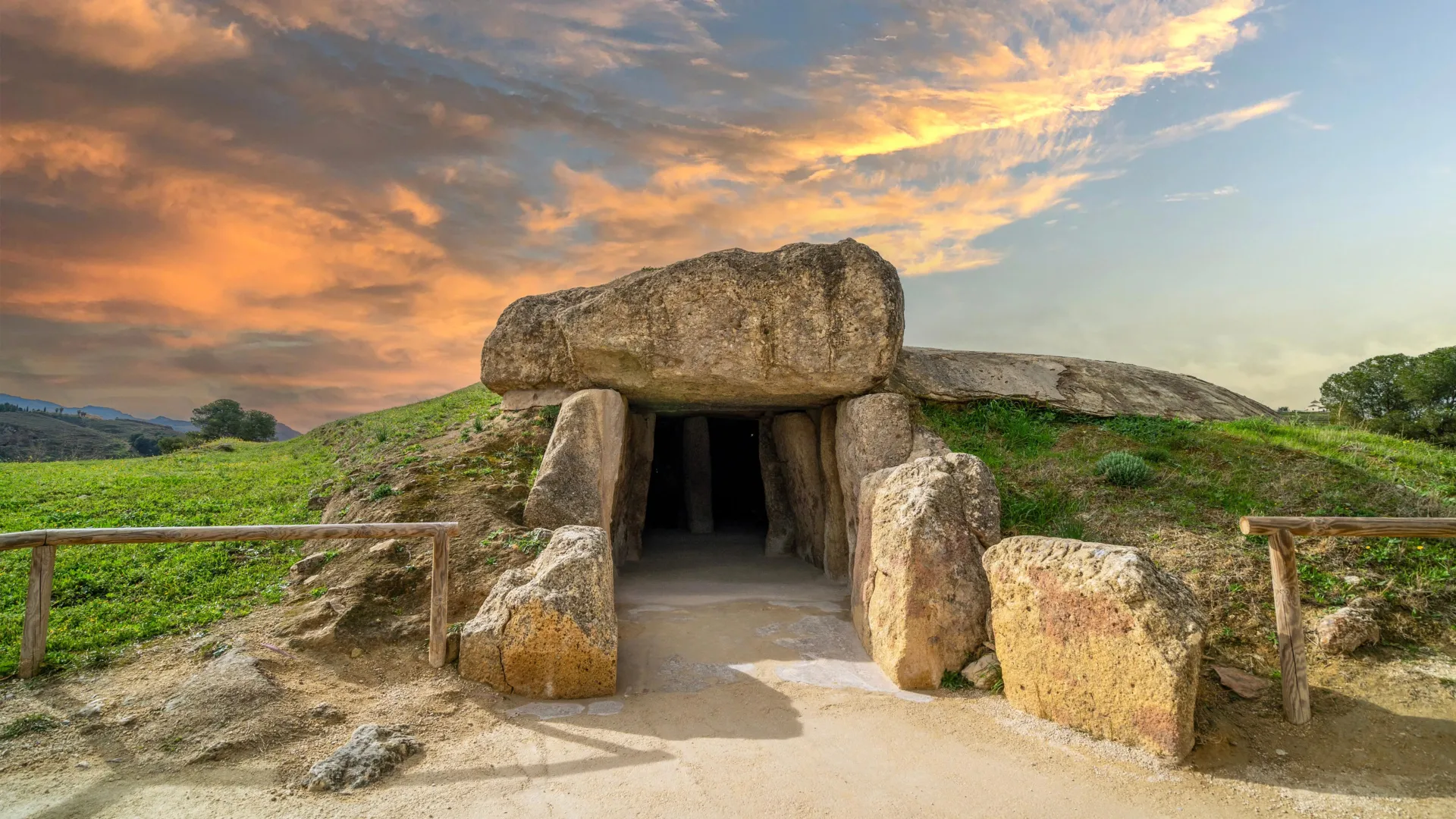

The study of DNA extracted from human remains in a large megalithic tomb near Paris revealed one of the most intriguing episodes of European prehistory. Researchers analyzed the genomes of 132 individuals buried at the site, allowing them to reconstruct a story of crisis and population renewal during the Stone Age.
The findings indicate that the site was used in two well-defined periods, separated by a sharp demographic decline around 3000 BC. The people buried before and after this break were not genetically related, suggesting that the original population nearly disappeared and was replaced by groups that arrived from other regions.
This genetic break marks a turning point in the history of Neolithic communities. The first occupants of the site shared similarities with agricultural populations from northern France and Germany, while the later ones showed strong ties to southern France and the Iberian Peninsula.
Signs of a deep crisis
To understand the causes of the collapse, scientists examined all the genetic material preserved in the bones. They detected traces of various pathogens, including the plague bacterium and the one responsible for recurrent fever transmitted by lice. However, the plague alone does not explain what happened.