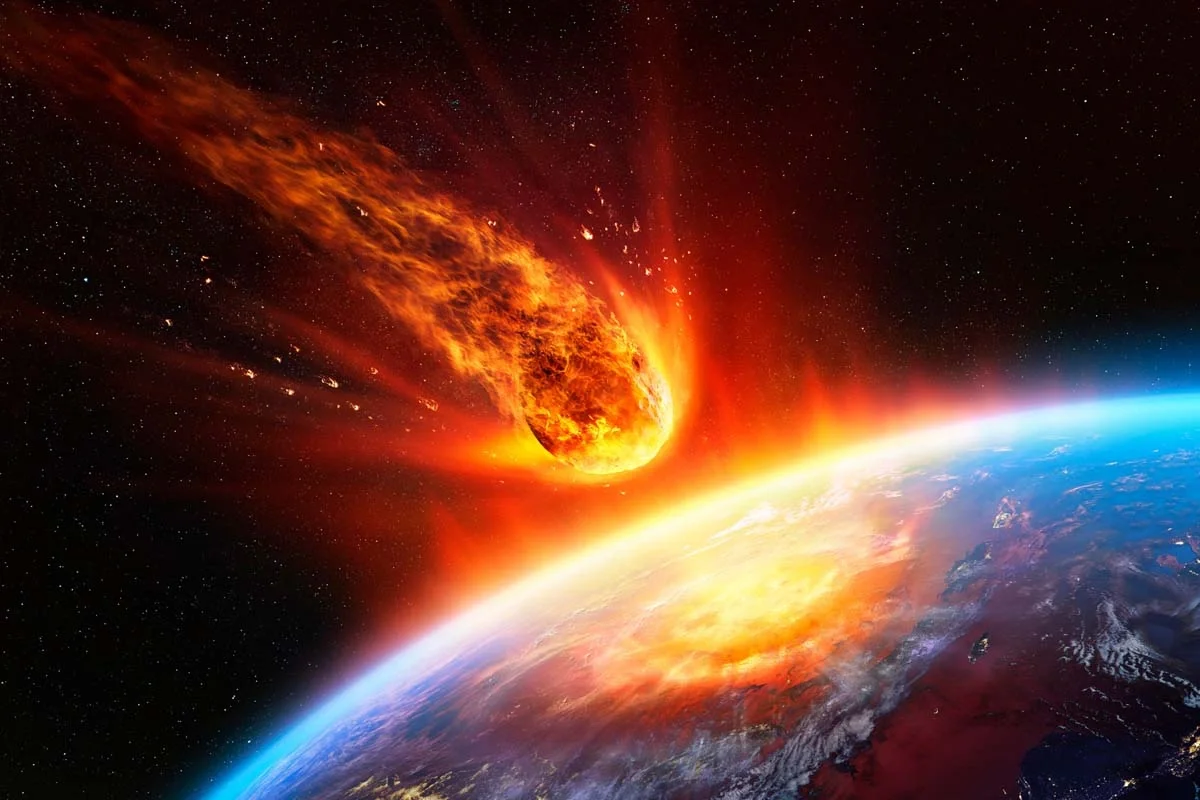
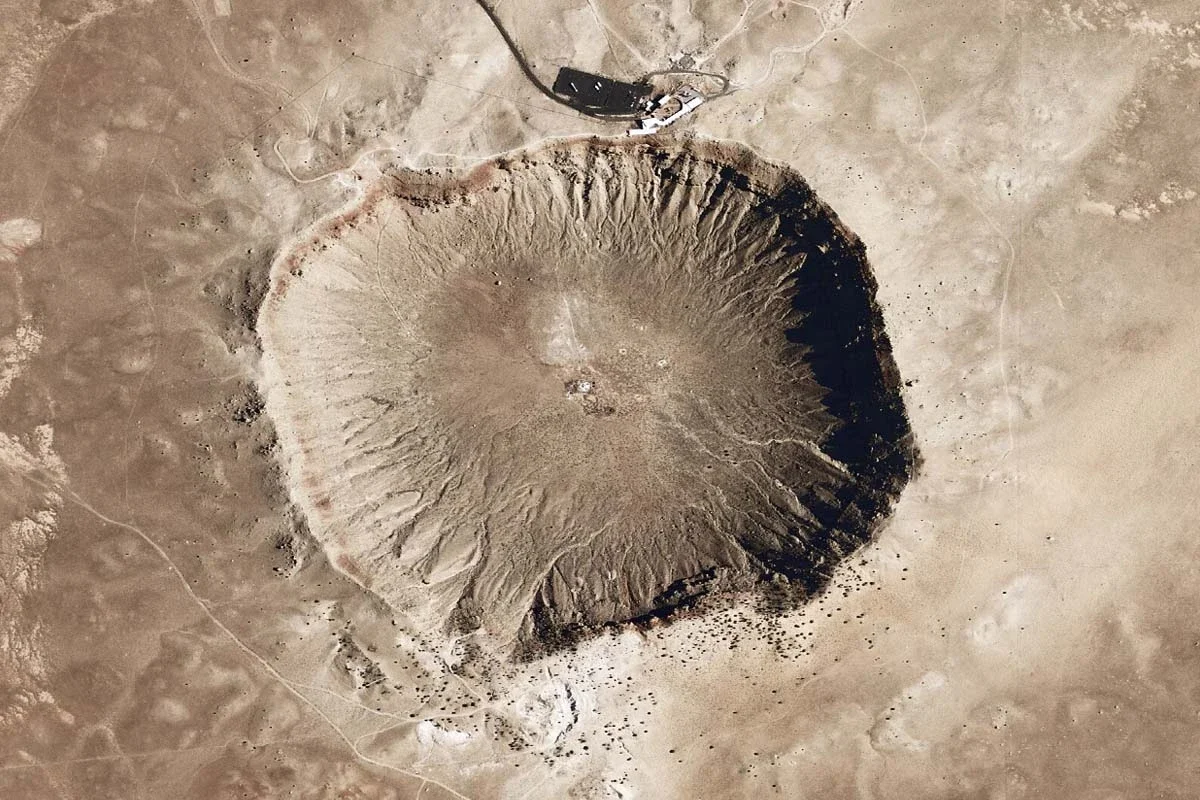
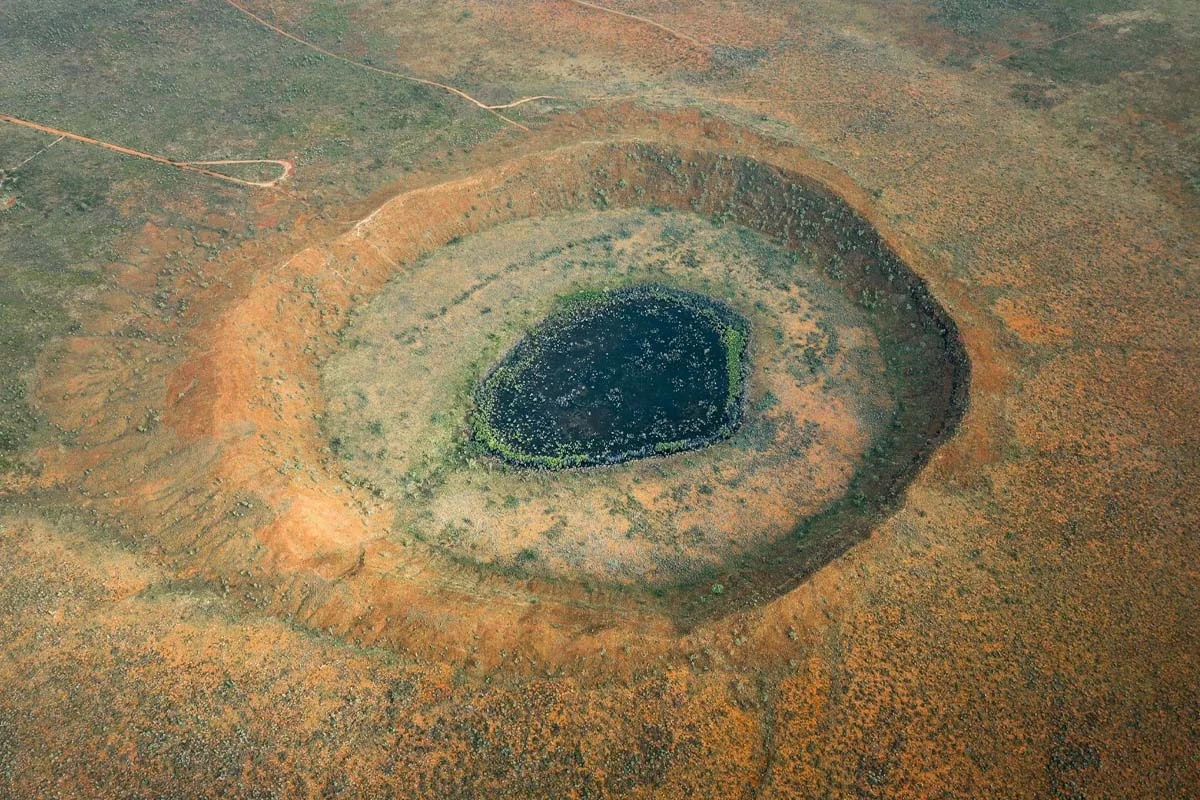
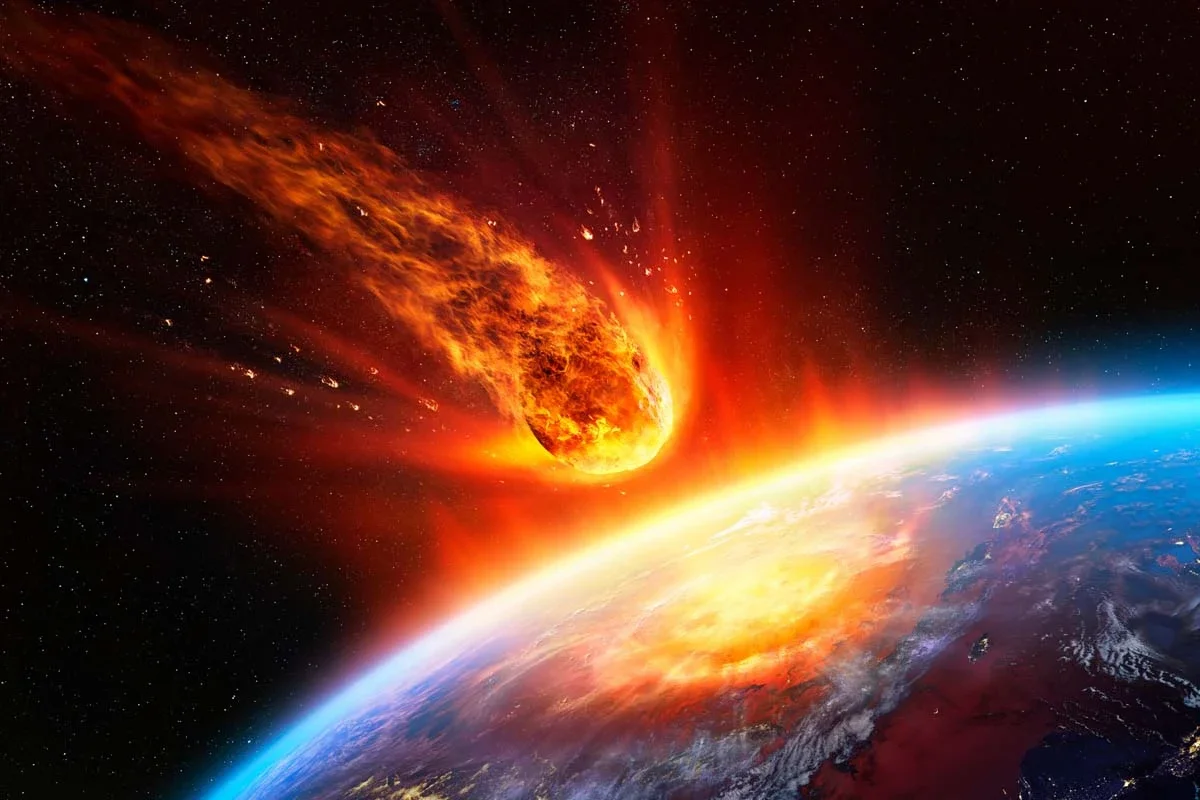
A team of researchersidentified the oldest impact crater on Earth in Western Australia. The findingdetermined that it formed about 3.020 billion years ago after the collision of an asteroid with the Earth's crust.
The study suggests that this discovery could provide new clues about the origin of continents and the first forms of life. The results were published in the scientific journal Geology.
A team of researchers identified the oldest impact crater on Earth
Where is the oldest impact crater on Earth
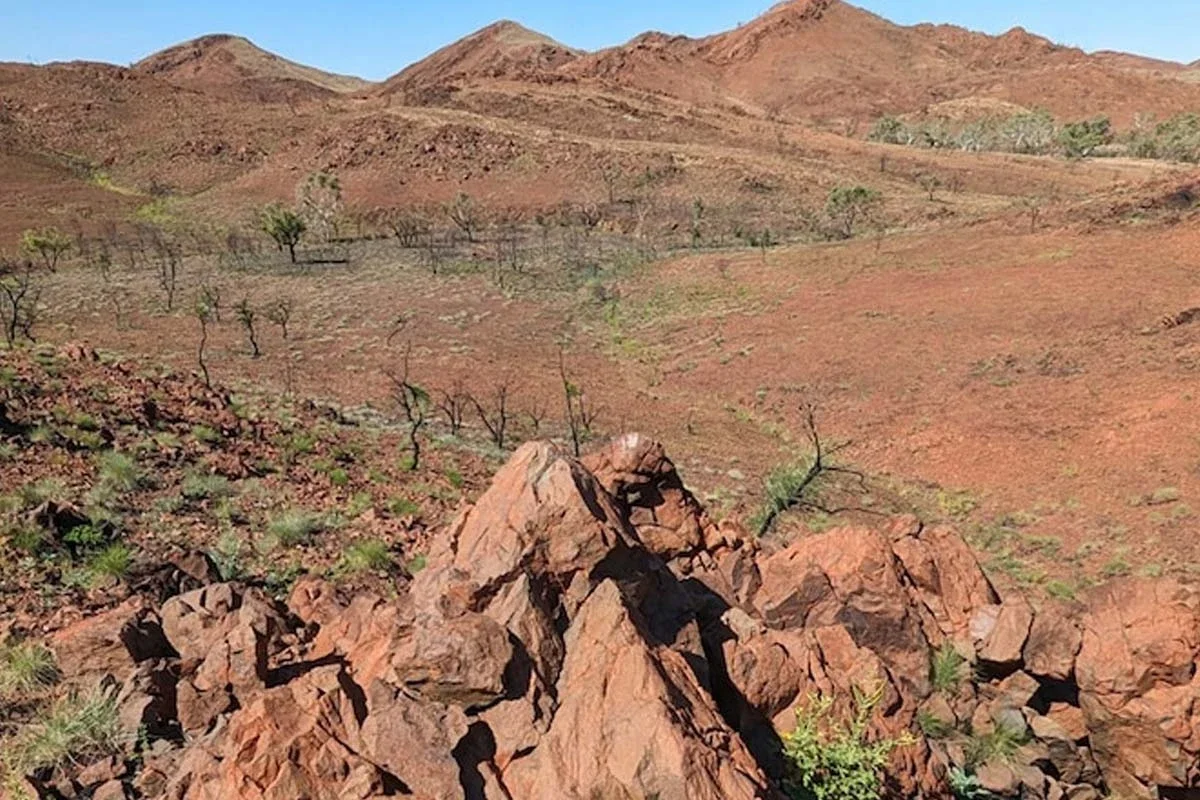
The structure is located in the Pilbara region of Western Australia, in a rock formation known as North Pole Dome.
According to the researchers, the traces of the asteroid impact that occurred 3.020 billion years ago are recorded there. The dating was carried out through the analysis of zircon crystals modified by the high temperatures and pressures generated during the collision.
How they determined the age of the impact
The scientists studied tiny zircon crystals, a mineral that preserves geological information for billions of years.
How they managed to determine the age of the impact
These crystals contain small amounts of uranium that, over time, transform into lead. The ratio between the two elements allowed them to calculate that the impact occurred approximately 3.020 billion years ago.
Geoscientist Chris Kirkland from Curtin University explained that some crystals exhibit branched shapes and unusual structures that, according to the team's interpretation, were generated by the intense heat of the impact.
These crystals contain small amounts of uranium
Why this discovery is important for science
If the dating is correct, the structure also known as Miralga Impact Structure becomes the oldest known evidence of an asteroid impact on Earth.
The finding corresponds to a very early period in the planet's history, when the Earth's surface was beginning to cool and a stable rocky crust was forming.
The researchers believe that studying this ancient impact can help better understand how the first continents evolved and what the conditions of the planet were during the development of the first forms of life.
Why this discovery is important for science
What is the relationship with the first evidence of life
A few kilometers from the site are ancient stromatolites, limestone structures formed by layers of sediments trapped by primitive bacteria.
These records are nearly 3.500 billion years old. According to the study, when the impact occurred, the region already housed communities of microorganisms.
What relationship does it have with the earliest evidence of life
Additionally, a few hundred kilometers away are the oldest known rocks on Earth, in Jack Hills, with an estimated age of 4.350 billion years.
The debate about the actual age of the crater
In 2025, the group led by Chris Kirkland initially proposed that the impact occurred about 3.470 billion years ago and that the original crater could have reached up to 100 kilometers in diameter.
Months later, another team argued that the structure would be no more than 2.700 billion years old and that its size would have been about 16 kilometers.