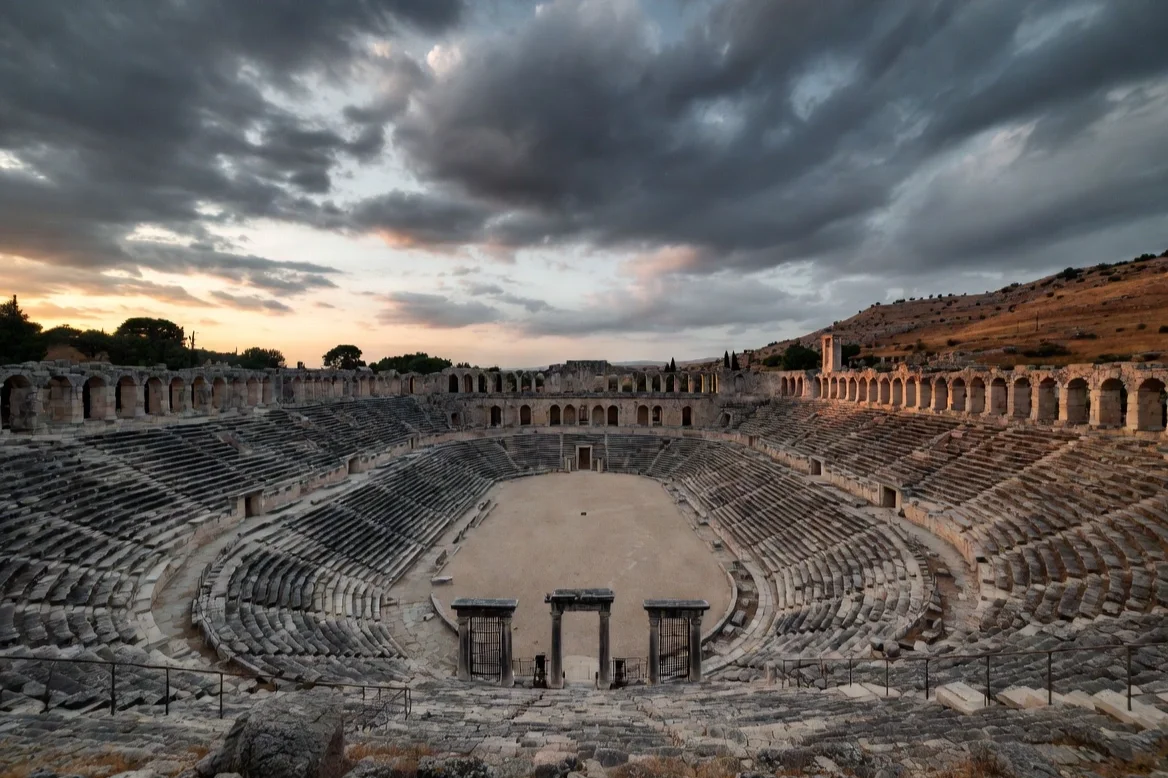

In the ancient city of Perge, located in southwestern Turkey, a team of archaeologists revealed shocking details about the transformation of its 1st-century A.D. stadium into a space adapted for high-impact Roman entertainments.
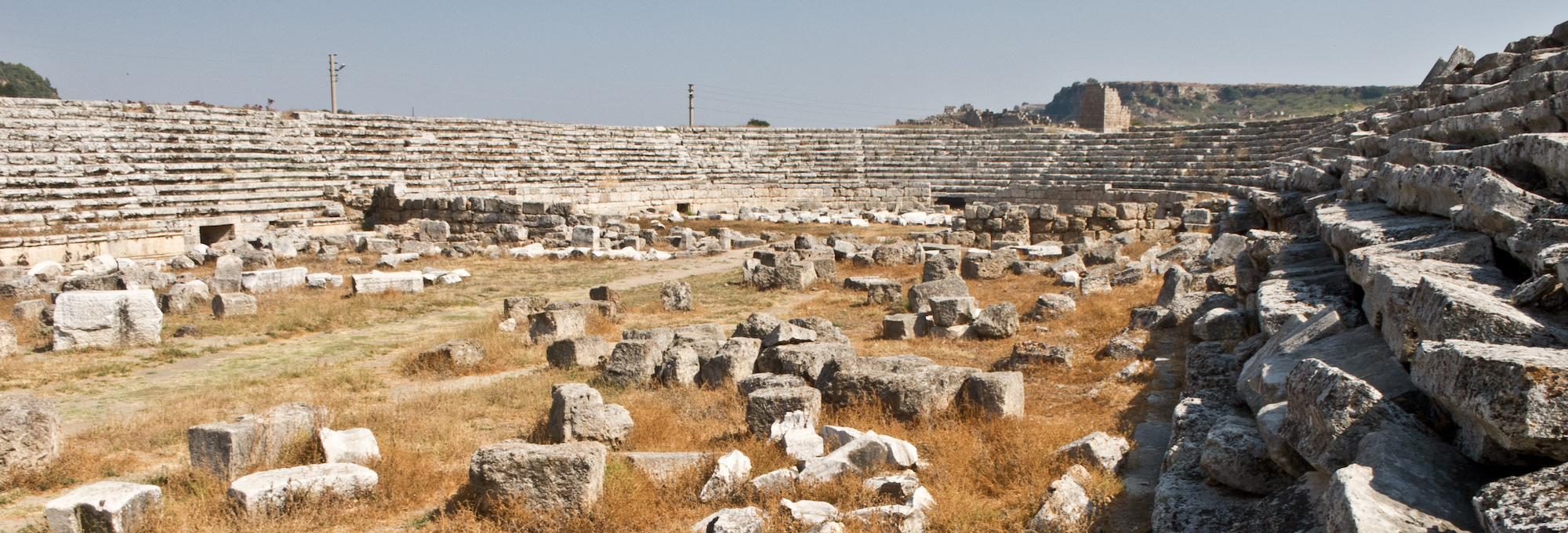
Originally built by its inhabitants, the stadium measured around 800 feet long and was modified in the northern section to create an enclosed arena, as explained by Aytaç Dönmez from Istanbul University.
This remodeling allowed for executions known as Damnatio ad Bestias, where prisoners were pitted against wild animals in front of the public.
The remains of pedestals found during the excavations corresponded to bases for platforms and crosses used in these punishments.
A Door with Dramatic Effect
Additionally, a guillotine-style door system was incorporated to release the animals suddenly into the space. According to Dönmez, this mechanism created a more surprising and dramatic effect for the spectators than that used in the Colosseum of Rome, where animals ascended from underground chambers.
Ceramic fragments found at the site also depict scenes of executions with beasts, confirming the use of the venue for such spectacles during the 3rd century.









