The Secretary of State, Marco Rubio, announced on Monday that the United States will sanction 11 high-ranking members of the communist regime in Cuba and three government organizations responsible for repressing the Cuban people.
The new sanctions target the Ministry of the Interior of Cuba, the National Revolutionary Police, and the Intelligence Directorate. The list of eleven sanctioned individuals includes ministers, deputy ministers, military personnel, and members of the Communist Party of Cuba, all guilty of the misery in which the inhabitants of the Island live.
Among the sanctioned are the Minister of the Interior, Rosabel Gamon Verde; the President of the National Assembly, Juan Esteban Lazo Hernández; the Minister of Energy, Vicente de la O Levy; the head of the Military Counterintelligence Department, José Miguel Gómez del Vallín; and the Minister of Communications, Mayra Arevich Marín, among others.
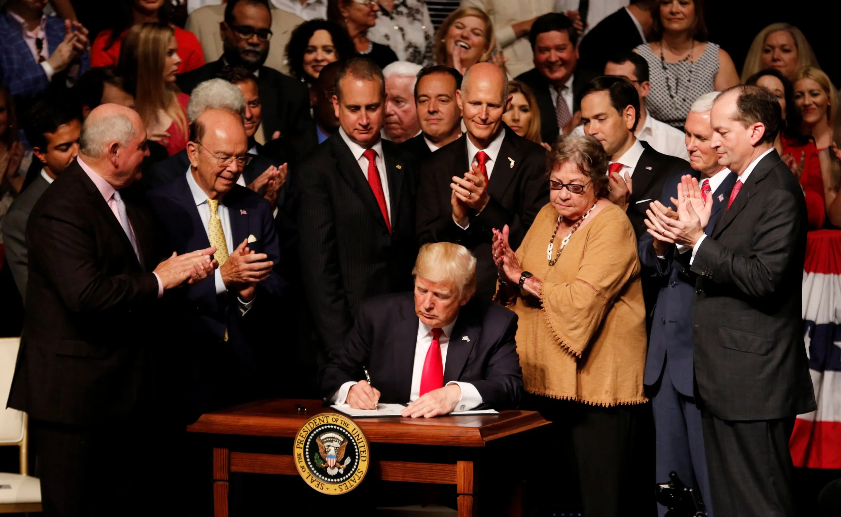
A few days ago, Washington sanctioned the Cuban military conglomerate GAESA as part of the campaign initiated by President Donald Trump to mitigate the threats to national security posed by the Cuban dictatorship and to hold both the regime and its supporters accountable.
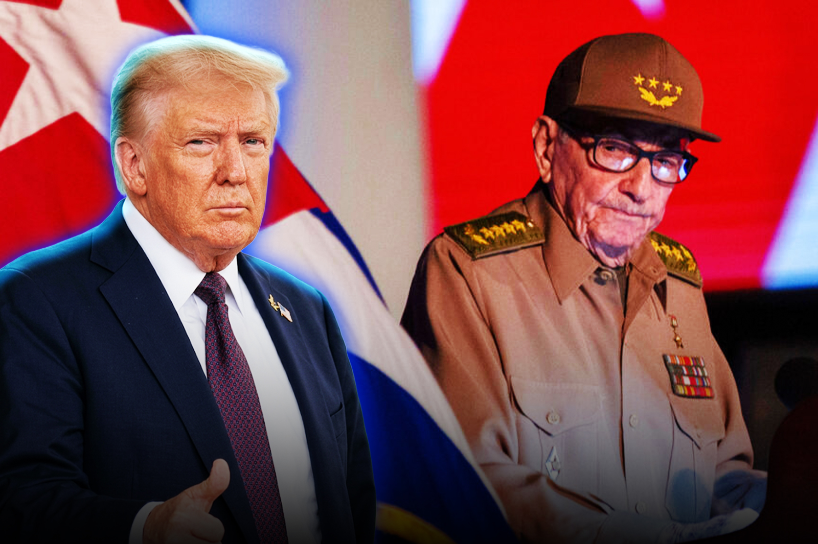
Maximum pressure: Trump will officially request the arrest of Raúl Castro tomorrow and is preparing new sanctions.
More sanctions and formal charges against Raúl Castro are coming
Rubio emphasized that the new sanctions restrict the Castro regime's ability to pursue Cubans and noted that additional sanctions can be expected in the coming days and weeks, as the White House prepares to formally charge former dictator Raúl Castro tomorrow for the downing of two civilian planes belonging to an NGO opposing the regime in 1996, an incident in which four Americans died.
Last week, the CIA visited Havana, and its director, John Ratcliffe, met with Cuban officials. The message Ratcliffe delivered to the regime's officials was clear: Trump is prepared to seriously assist the Island in economic and security matters, but only if Cuba makes fundamental changes and dictator Miguel Díaz Canel steps down.
Díaz-Canel responded to the new sanctions by stating that no member of the Cuban communist regime holds assets or properties under the jurisdiction of the U.S. that need protection. He described the blockade as a "genocidal" action and even threatened with a "bloodbath of incalculable consequences" if Washington were to attack the Island militarily.
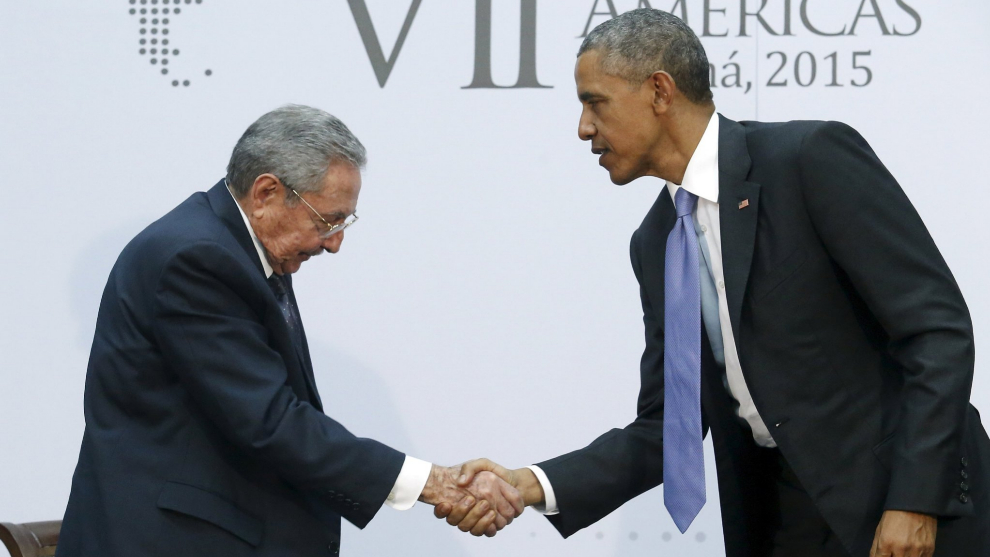
The former dictator Raúl Castro was protected during Barack Obama's administration.