In Coronel Suárez, Mayor Ricardo Moccero approved a 2% increase in fuel and raised the road tax
Compartir:
In line with a trend that is repeating itself in different municipalities governed by Kirchnerism, Mayor Ricardo Moccero promoted and managed to approve a new tax in Coronel Suárez, which once again hits the pockets of residents, producers, and workers.
In the final hours of December 23, the Deliberative Council approved the tax ordinance for 2026, which incorporates a 2% tax on fuel, increases the road tax by 10%, and raises to 94% the free availability of what is collected. The vote was tight and was decided thanks to the double vote of the president of the deliberative body, after a session that was questioned for its last-minute convening.
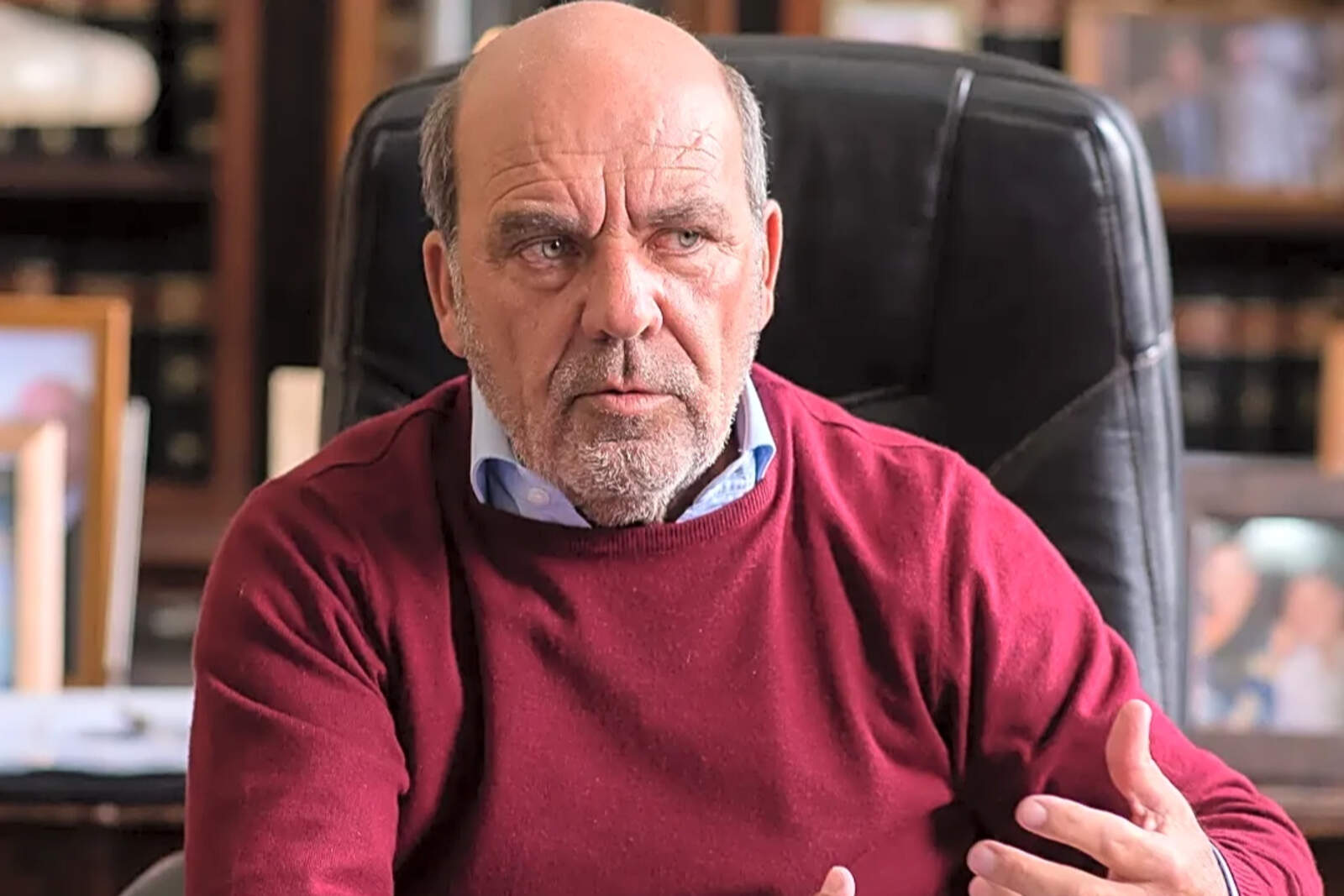
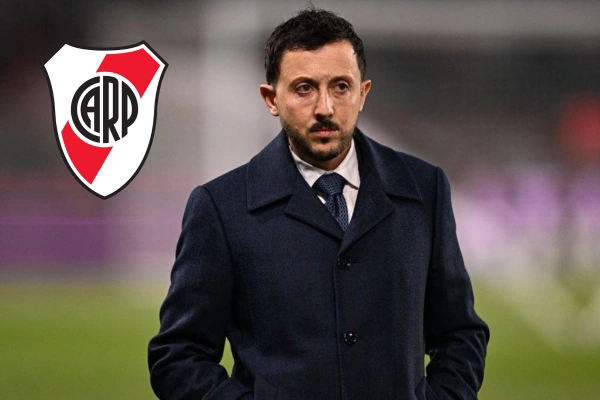
Ricardo Moccero intendente de Coronel Suarez.
The initiative caused an immediate rejection from the local productive sector and rural entities. Confederación de Asociaciones Rurales de Buenos Aires y La Pampa (CARBAP) warned that more taxes mean less production and less work, in a region where rural roads show historic deterioration and there are no visible improvements that would justify the increase.
One of the most questioned points is the destination of the funds. With the new ordinance, almost all of the road tax goes to general revenue, which enables its discretionary use. Producers present at the session pointed out that the tax, far from having a concrete consideration in return, becomes a flexible cash box for the municipal Executive. In practical terms, the cumulative impact of the increases implies effective hikes that range between 100% and 500% in different local taxes.
The new fuel tax also raises criticism for its uneven scope. Although it is argued that it would be intended to improve the urban road network, it would only be applied in the main city and nearby areas, while the entire district will pay the additional 2%, including localities that will not receive works or improvements.
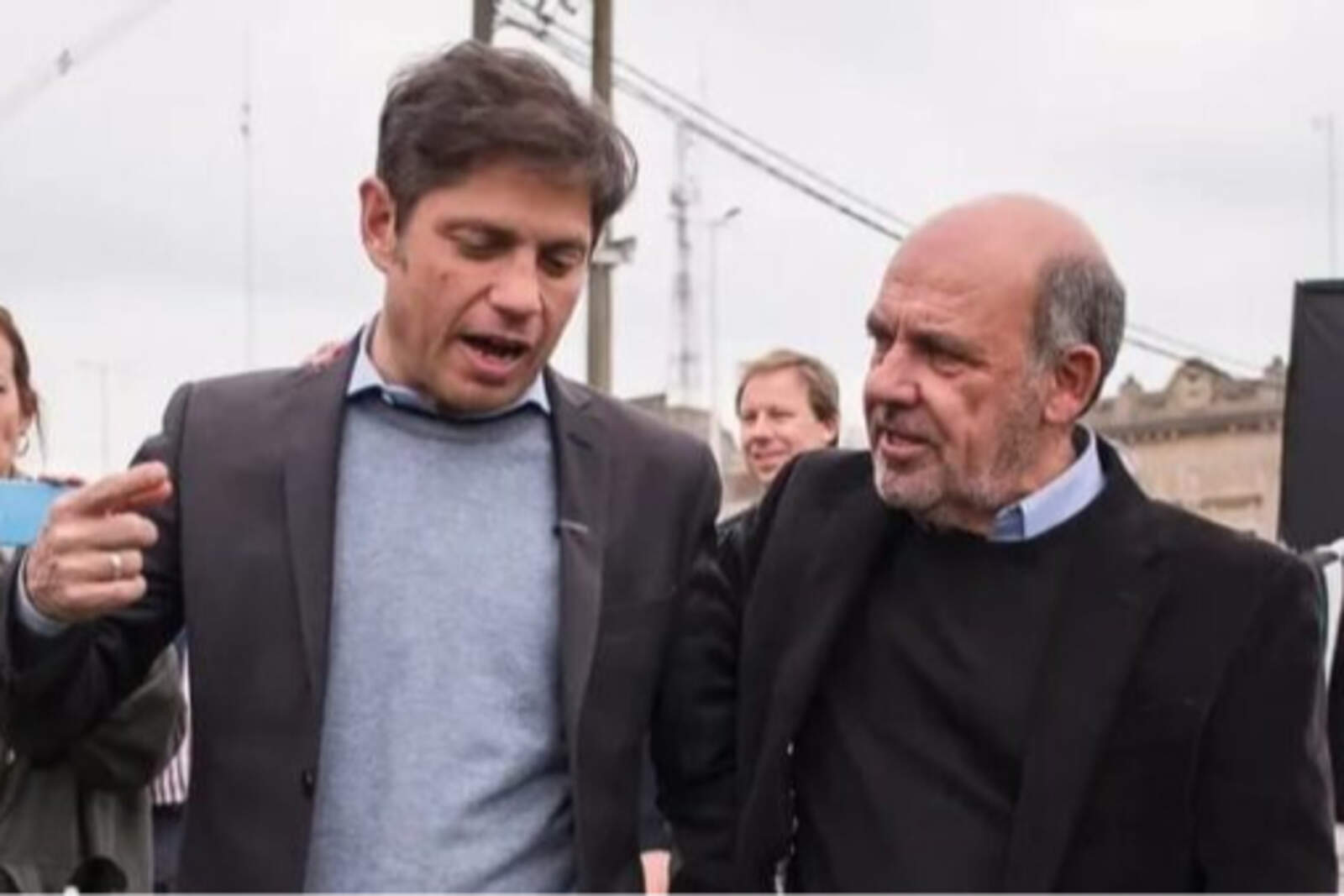
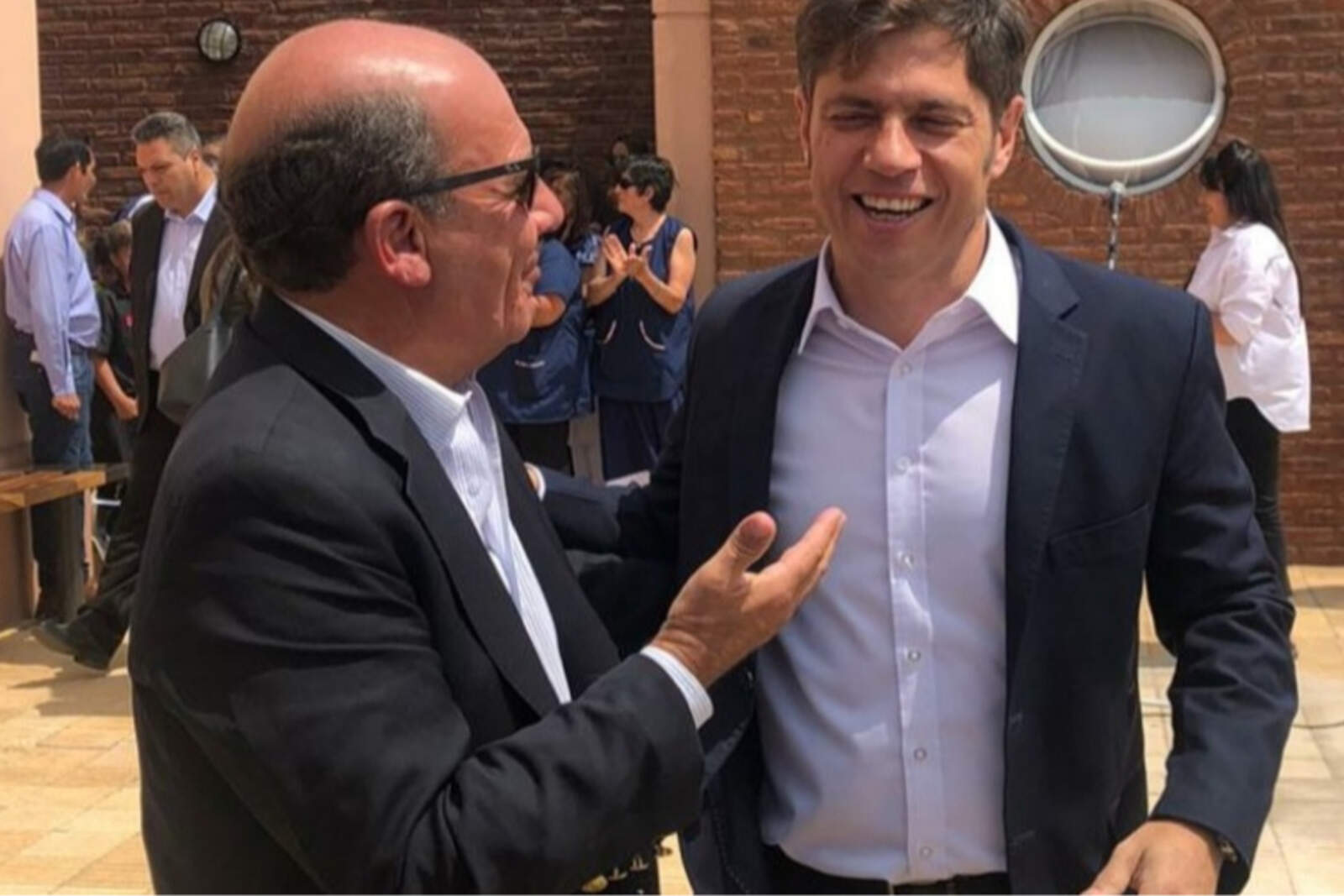
Ricardo Moccero junto a Axel Kicillof.
Residents and workers warned that the tax doesn't affect only the countryside, but the entire population: car service drivers, small business owners, and families who depend on fuel for their daily lives. Although the percentage may seem low, the effect is direct and cumulative on the cost of living.
Meanwhile, the national Government is moving forward with an agenda of tax reduction and elimination of distortionary fees to ease the tax burden, municipalities aligned with Kirchnerism continue resorting to increases in local taxes for wasteful spending. The case of Coronel Suárez is added to an increasingly extensive list of mayors who choose to keep punishing workers.