With a sharp reduction in the size of the state, the president fulfilled one of his main campaign promises
Compartir:
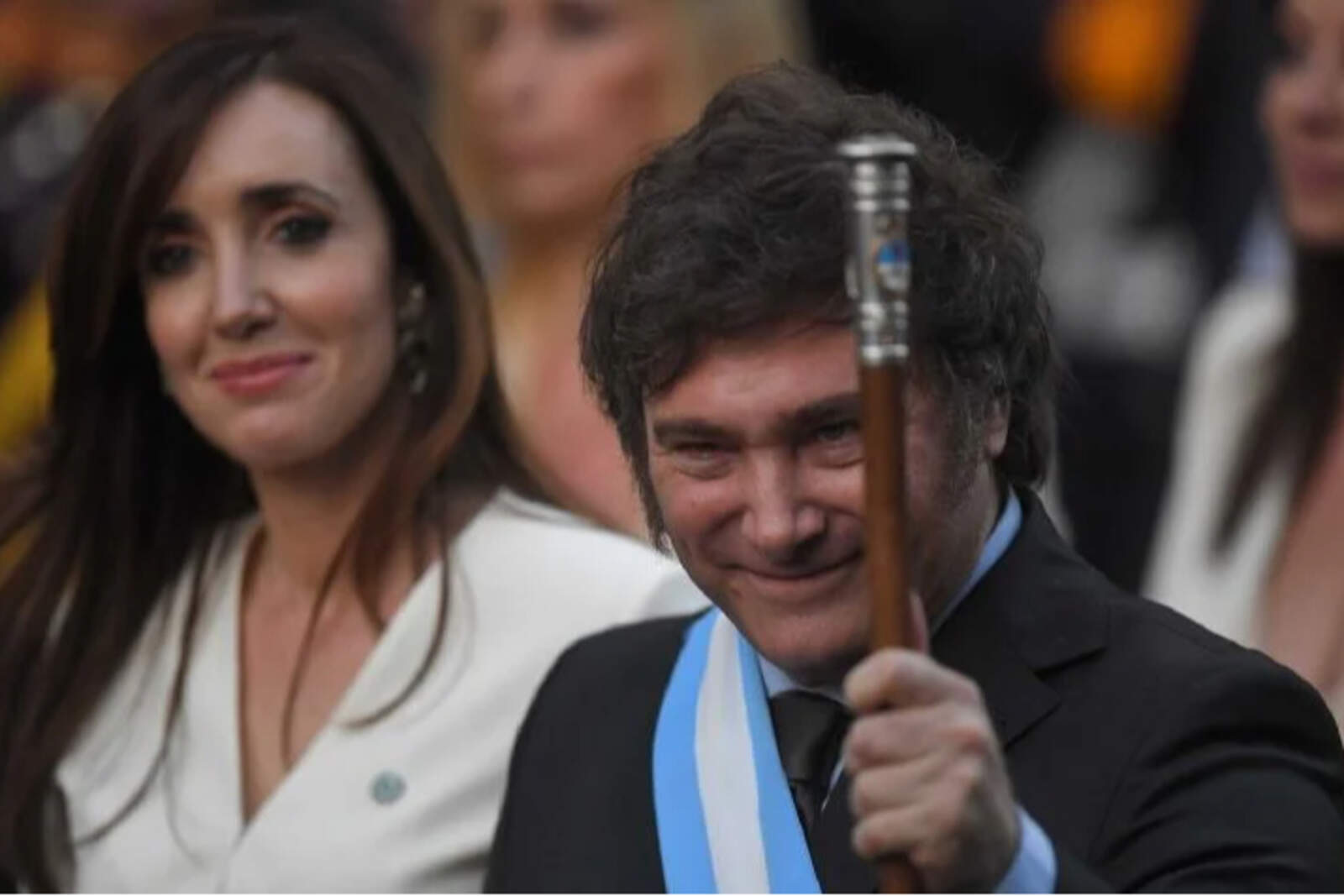
President Javier Milei managed to turn Argentina into the country with the fewest ministries in all of South America, a forceful sign of change in contrast to an oversized state model that failed time and again.
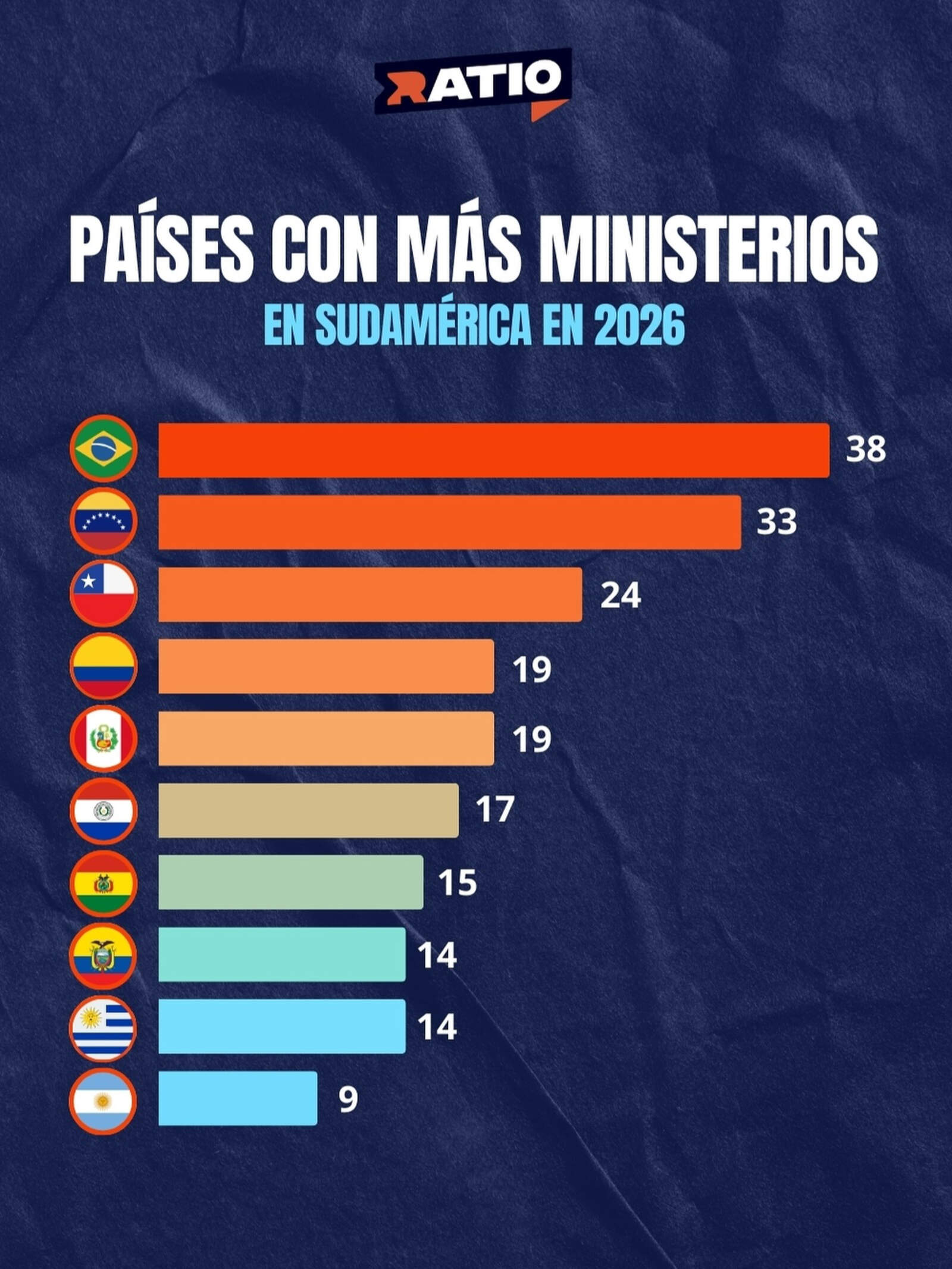
After reducing the structure of the Executive Branch from 20 to just 9 ministries, the national government placed the country in first place in the regional ranking for institutional austerity.
The contrast is striking: while Argentina moves toward a more efficient state, countries like Brazil maintain elephantine structures with more than 30 ministries, a symbol of uncontrolled spending and politics as a refuge of privileges.
El ranking de países con más ministerios de Sudamérica
The most extreme example is Venezuela, with 33 ministries and an impoverished population after years of socialism, statism, and endless bureaucracy. A giant state that did not solve any real problem.
A promise fulfilled from day one
During the campaign, Milei was clear: fewer ministries, fewer political positions, and less public spending. Upon taking office, not even 24 hours passed before he signed his first Necessity and Urgency Decree and drastically reduced the national Cabinet, which had reached 18 ministries at the end of Alberto Fernández's term.
With this decision, Argentina came to have the lowest number of ministerial portfolios in all of the Americas, surpassing even countries like Uruguay and Bolivia, which have 14 ministries each.
Se trató de una de las promesas de campaña que más rápido logró cumplir
In addition, this is the lowest number since 1999, when Carlos Menem ended his presidency with 8 ministries, in a context in which the National Constitution —before the 1994 reform— established a maximum cap on portfolios.
Since the constitutional reform, the number of ministries has not stopped growing. Fernando de la Rúa inaugurated that stage with 10 portfolios and expanded it even further in 2001. Later, Eduardo Duhalde and Néstor Kirchner governed with similar structures.
The biggest leap came with Cristina Fernández de Kirchner, who took the number to 15 in her first term and to 16 in the second, adding ideological and overlapping portfolios. Later, Mauricio Macri reached a historic record of 21 ministries, the highest figure since the return of democracy, although he reduced the scheme toward the end of his administration.
Finally, Alberto Fernández once again inflated the state to 20 ministries, including structures such as Women, Genders, and Diversity, ending his term with 18 after some forced mergers.