Who could have imagined that, in just one year, a country devastated by decades of Peronist plundering could once again breathe progress and hope? The government of Javier Milei, the first libertarian liberal president in history, dared to confront the establishment and demonstrate that, when taxes are lowered and those who produce are respected, Argentina flourishes.
The most compelling example is the Incentive Regime for Large Investments. That RIGI, which Kirchnerism tried to destroy under the ridiculous argument that it was "anti-Argentina," now shows concrete results: the Los Azules mining project in San Juan involves a USD 2.7 billion investment, more than 3,500 jobs, and USD 1.1 billion annually in exports. This is not an isolated event; eight projects have already been approved, with a total of USD 15.7 billion committed. How can those who nearly overturned this instrument now dare to speak? It is clear that they were only defending their own interests, not the country.
The same logic is repeated on the foreign exchange front. Kirchnerism called a web of 57 exchange rates and absurd persecutions a "cepo," to the point of publicly shaming retirees on National Broadcast for buying 10 dollars. Between 2021 and 2023, they invented eight different "Agro Dollar" decrees; never before had so much been liquidated, and yet they still bankrupted the Central Bank. Milei, meanwhile, chose the only recipe that works: eliminate taxes, liberalize markets, and restore dignity to those who work. The result is immediate and measurable, with record transactions, international prices matching those of Chicago, and an agricultural sector that became competitive again without having to ask permission from bureaucrats in power.
Last week, soybeans in Argentina were paid almost the same price as in Indiana, United States, and corn and wheat were worth 20% and 12% more than in Chicago. Such dynamism had never been seen before, once again showing how the market works when those who produce are rewarded instead of punished.
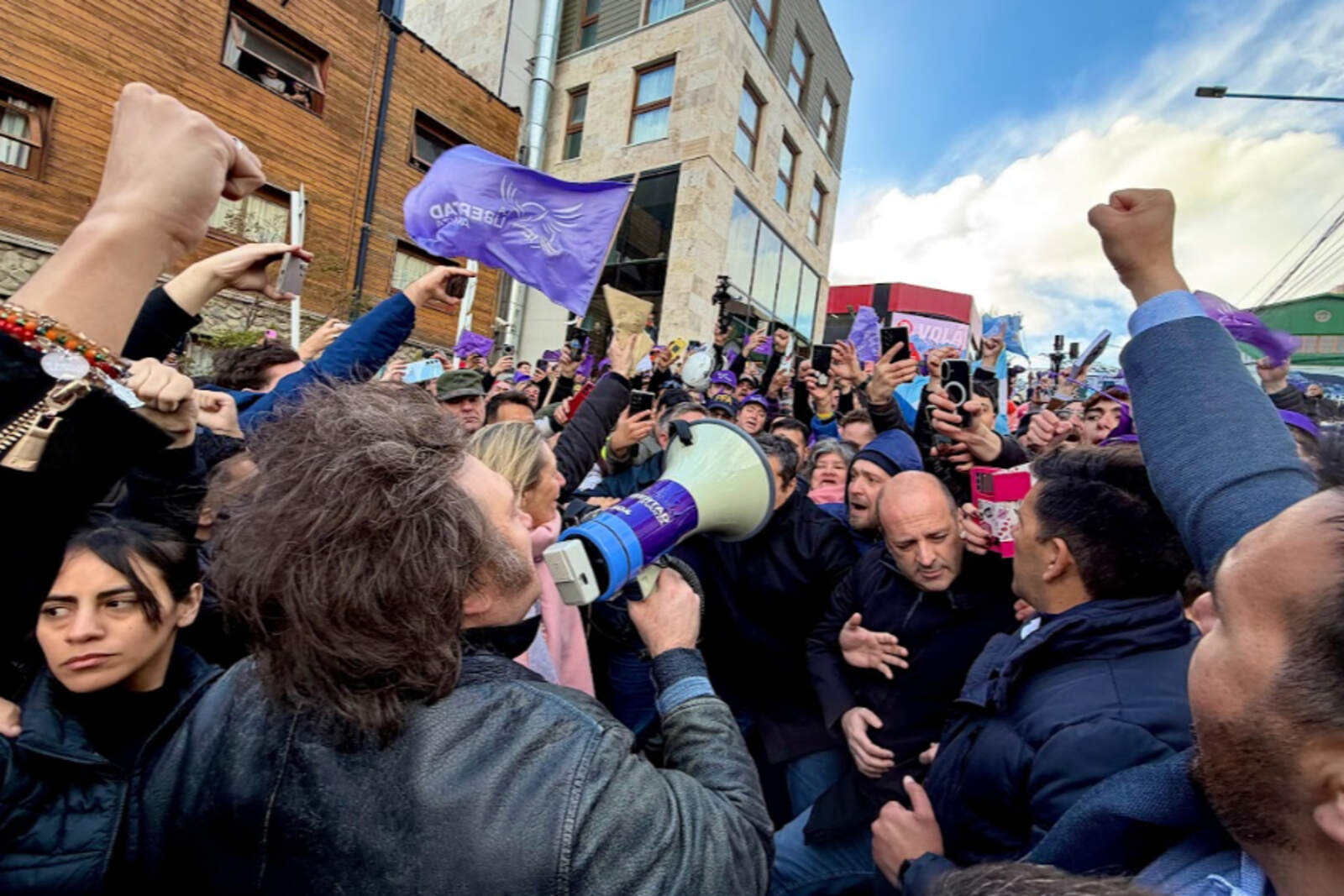
Of course, the reaction of the "State Party" was swift. Never before had an Argentine president faced such a coordinated attack machine from media, unions, and politicians firing 24/7 in a delegitimization campaign. As always, Kirchnerism does what it does best: sow tension, send its shock troops to the streets, and seek chaos. However, many Argentines are beginning to realize that the tension exists because Peronists refuse to give up their privileges.
In the face of that offensive, Milei replied with the only thing that can guarantee a future: fiscal surplus. Everyone knew it was the indispensable condition for long-term growth, but no one dared to do it. This government did it. It adjusted, cut spending, and demonstrated that it is possible to manage a state without spending more than it takes in. That's why the world understood, and Argentine companies increased in value by more than USD 4.1 billion after the explicit support of the United States and the reduction of export duties. Because the market doesn't reward speeches; it rewards actions.
Today, Argentina is once again integrating into the free and capitalist world. The path is clear: continue lowering taxes, deepen fiscal balance, and strengthen alliances with pro-market democracies. There is no other possible course. The alternative is to return to the populist swamp, to the cepo, to inflation, and to the planned misery left to us by Kirchnerism.
Argentina is at a historic crossroads. On one side, the model of decline: plundering, inflation, and tax slavery. On the other, the model of freedom: investment, exports, employment, and surplus. Milei chose freedom. The inevitable question is: which side are you on?