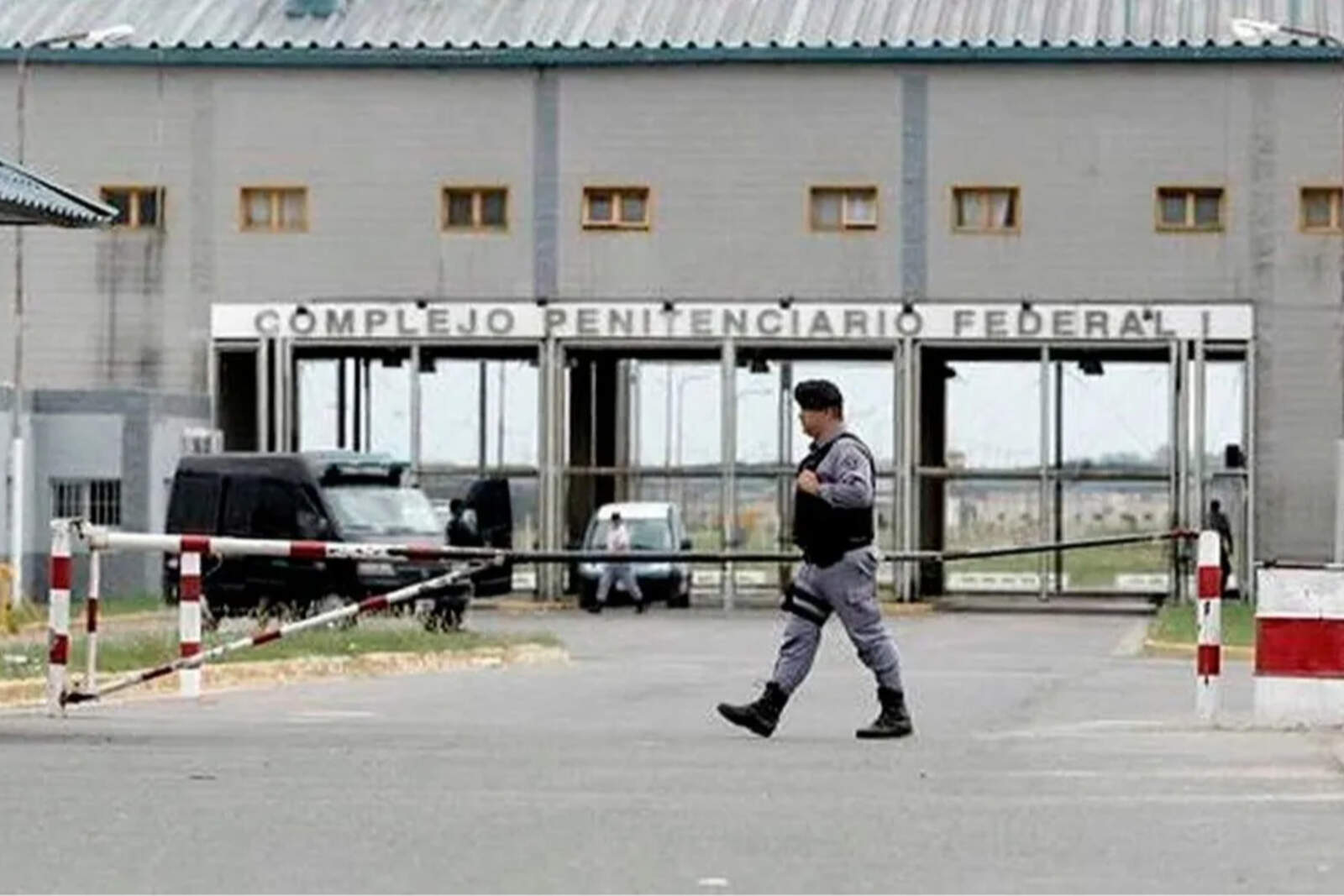
Argentina reached, at the end of 2024, the highest level of incarceration since official records have existed, according to a report by the National Committee for the Prevention of Torture (CNPT).
In this context, the population housed in penitentiary units reached 121,443 people, which meant an increase of 7.1% in relation to the previous year. The survey confirmed sustained growth of the incarceration system throughout the country, where the incarceration rate stood at 258 detainees per 100,000 inhabitants, a value that also marked a historic high.
Regarding the judicial situation, CNPT indicated that 62% of inmates had a final conviction. Meanwhile, 37.3% remained detained under pretrial detention, awaiting a sentence.
Cárcel.
The report also identified marked differences between jurisdictions. In Neuquén, almost the entire prison population had a final sentence, while in provinces such as Córdoba and Formosa nearly half of detainees had not received a definitive conviction.
The breakdown by type of crime showed that most incarcerations were due to offenses against property. Robberies and thefts accounted for 36.4% of the total. These were followed by crimes against persons, with 21.7%, and those related to sexual integrity, which represented 20.5%.
Cárcel.
The incarceration profile showed differences according to gender. Among men, the most frequent causes were crimes against property. In the case of women and the "trans or non-binary" population, detention for causes related to narcotics predominated, with percentages of 36.3% and 34%, respectively.
From a demographic point of view, men represented 95.4% of the prison population. Women reached 4.4%, while people identified as "trans or non-binary" constituted 0.2%. The predominant age group was that of young adults: almost seven out of every ten inmates were between 21 and 39 years old.
Finally, the report stated that immigrant people made up 4.5% of the total number of detainees and, within that group, the Paraguayan community was the most numerous.