The FCC will extend the ban on more equipment from Chinese manufacturers starting in July to protect critical infrastructure and strategic networks
Nuevo
Agregar La Derecha Diario en
Compartir:
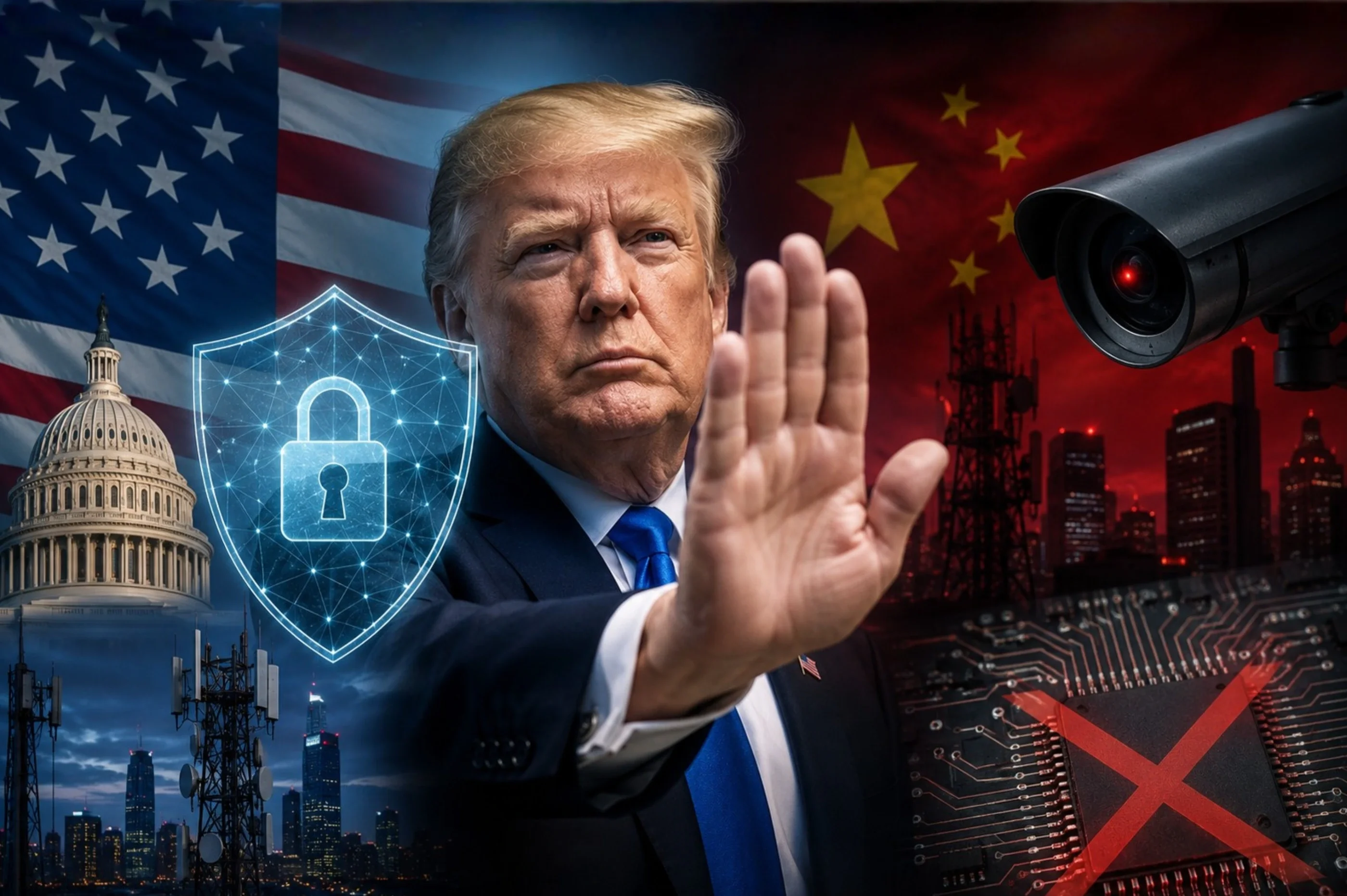
The Federal Communications Commission (FCC) of the United States announced an expansion of restrictions against electronic equipment manufactured by several Chinese companies, a measure that strengthens the national security strategy promoted by the administration of President Donald Trump to reduce risks associated with sensitive technologies.
The decision, announced this Friday, expands the ban imposed in 2022 and will extend the veto to older models of telecommunications and video surveillance equipment manufactured by Huawei, ZTE, Hytera, Hikvision, and Dahua, companies that Washington considers pose a risk to national security due to their possible ties to the Chinese government.
Until now, the restrictions only affected new models developed after 2022. With the new regulation, the ban will also cover older devices used in strategic areas, such as public safety, protection of government facilities, critical infrastructure surveillance, and other functions related to national security.
The FCC reported that the measure will take effect in early July and explained that the goal is to close regulatory gaps that still allowed the importation of equipment manufactured before the original restrictions came into effect.
The Trump administration ordered to halt the importation of Chinese technological components and warned about espionage risks
According to the regulatory body, expanding the scope of the veto is necessary to protect the communications sector of the United States from threats that could compromise the country's technological infrastructure.
At the same time, the commission clarified that citizens and organizations that already own this type of equipment will be able to continue using it, as the measure only prohibits the importation of new devices covered by the ban.
The decision is part of a policy that Washington has been developing over the past few years to reduce dependence on Chinese technologies in sectors considered strategic.
Last December, the FCC prohibited the importation of new models of drones manufactured in China, while in March it extended similar restrictions to new models of Chinese home routers, devices essential for connecting computers, smartphones, and other equipment to the internet.
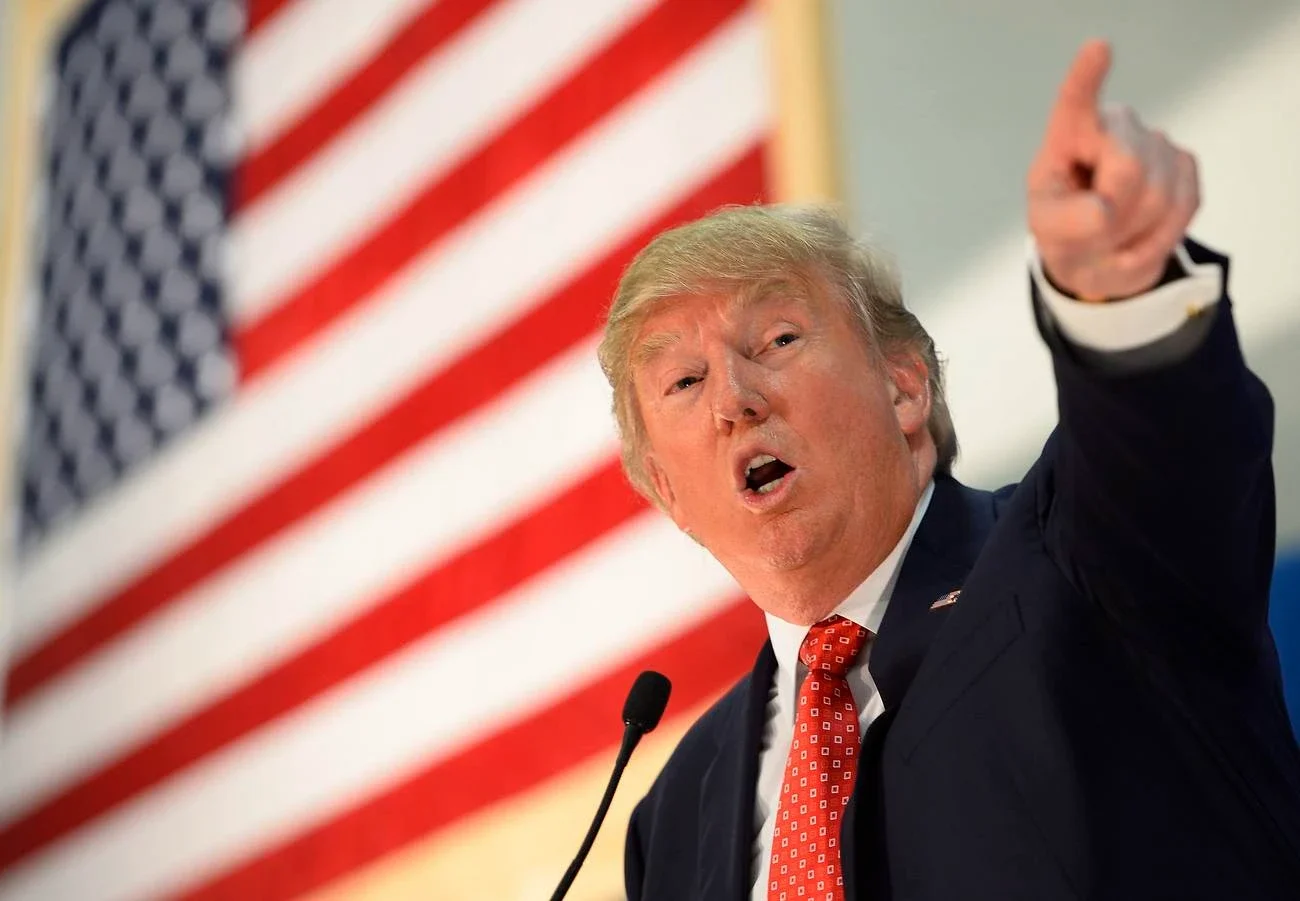
The FCC, chaired by Brendan Carr, recently prohibited the importation of new models of drones manufactured in China
However, just as with the new regulation on telecommunications systems, those measures do not affect equipment already in circulation nor do they prohibit the use of products previously acquired by consumers or businesses.
During October, the FCC also unanimously approved a rule that blocks new certifications for devices that incorporate components from companies included on the list of entities considered risky to U.S. security. That decision also granted the agency greater powers to revoke previously granted authorizations in certain cases.
One of the affected companies, Hikvision, subsequently filed a lawsuit against the regulatory body arguing that the FCC exceeded its legal authority and that the measure lacked sufficient grounds.
Nevertheless, U.S. authorities maintain that protecting national networks from potential threats of espionage or foreign interference constitutes a strategic priority, especially in a context of increasing technological competition between Washington and Beijing.
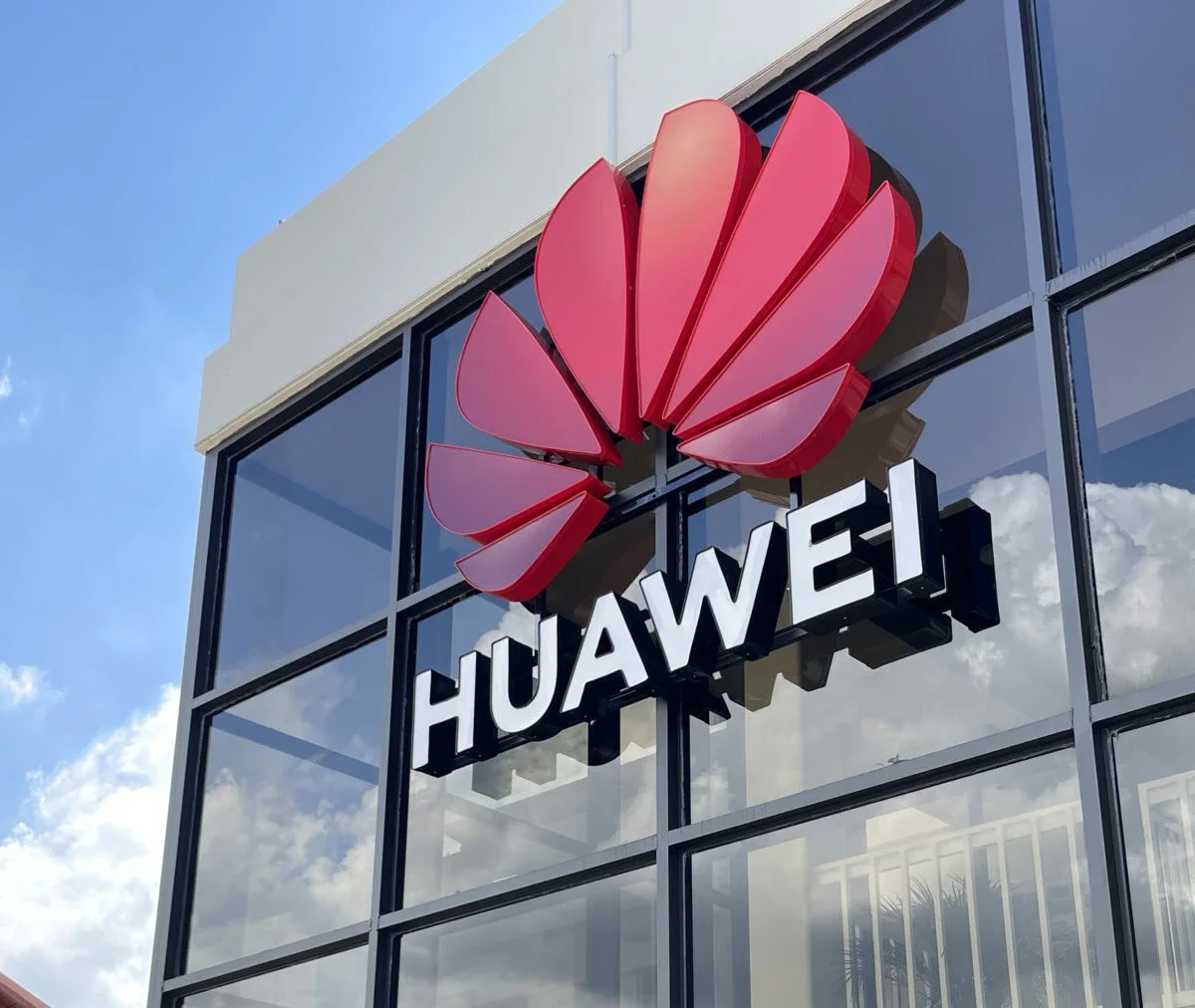
Huawei is one of the Chinese companies affected by the new restrictions from the Trump administration
The FCC is also considering new actions that could further restrict the presence of Chinese companies within the U.S. market. Among them is the possibility of preventing U.S. telecommunications operators from establishing interconnections with Chinese companies, a decision that, in practice, would seriously hinder the operation of data centers managed by firms from the Asian giant within the United States.
The expansion of the veto reflects the continuity of a strategy aimed at strengthening the security of critical infrastructures through greater control over technologies used in sensitive sectors.
Since the administration of Donald Trump, it has been emphasized that the growing influence of Chinese technology companies represents a strategic challenge that transcends the commercial realm and directly impacts national security. Under this approach, reducing dependence on suppliers considered high-risk constitutes a preventive tool to protect communications networks, government systems, and essential infrastructures from potential vulnerabilities.
Proponents of these restrictions argue that allowing access to equipment manufactured by companies flagged for their ties to the Chinese regime could facilitate espionage activities, collection of sensitive information, or interference in critical services during potential international conflicts.
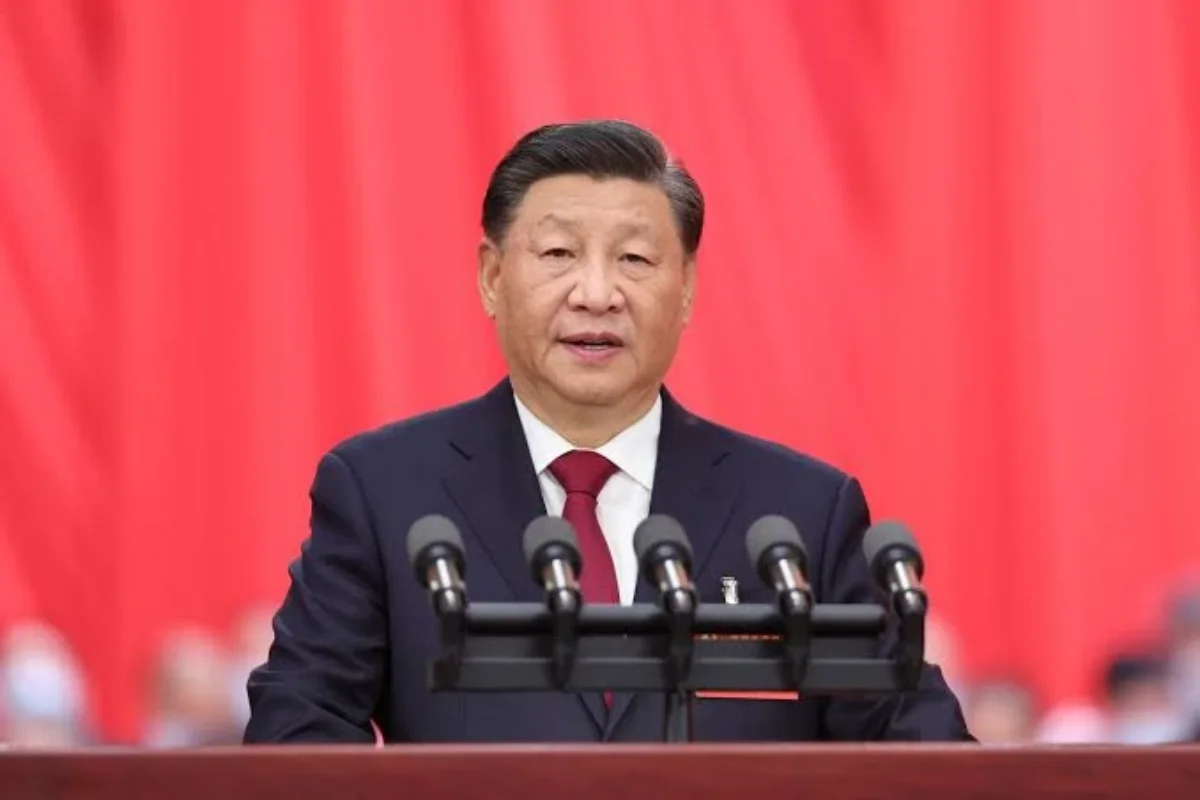
The communist regime of Xi Jinping maintains strong ties with technology companies, which often provide information to the Chinese government