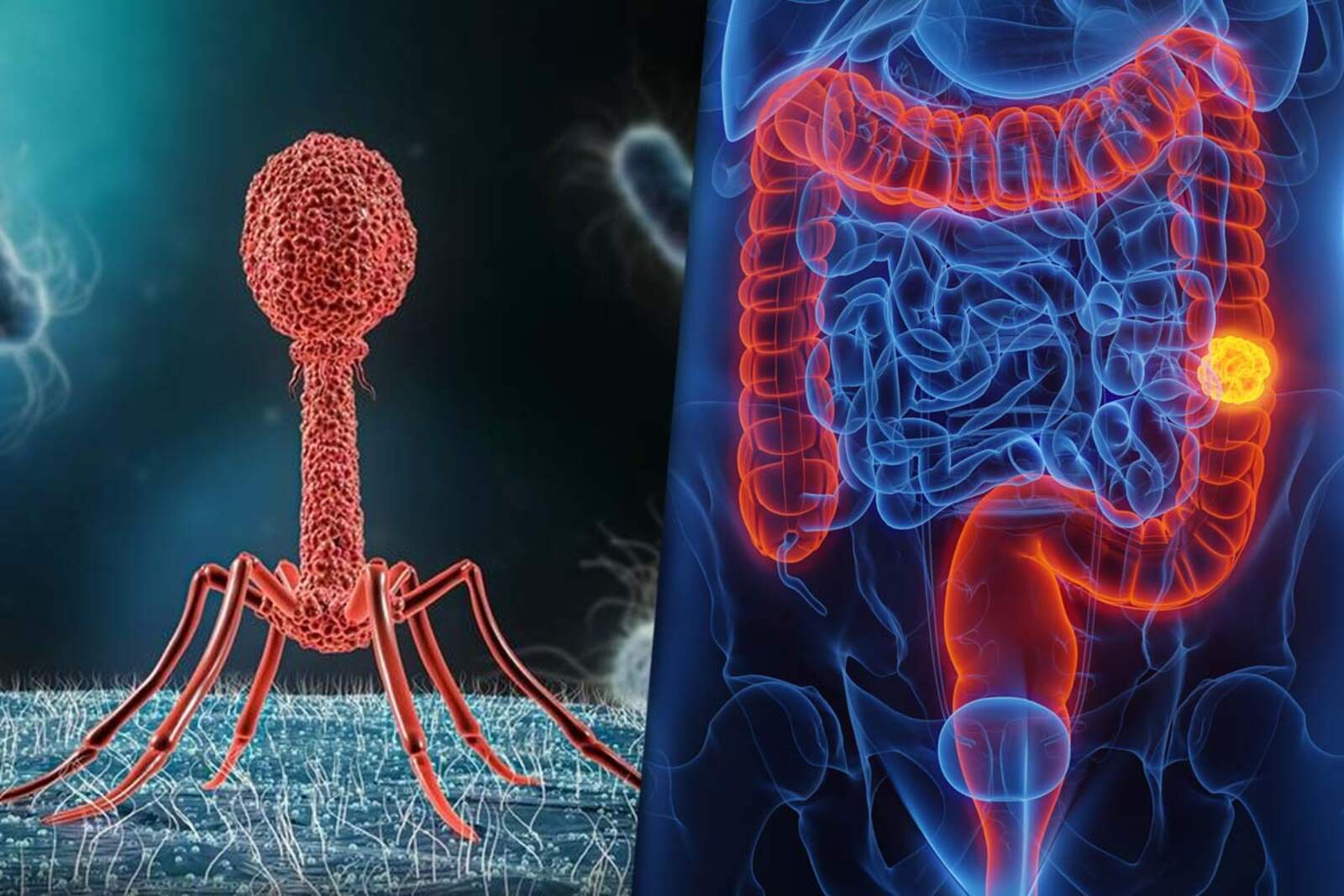
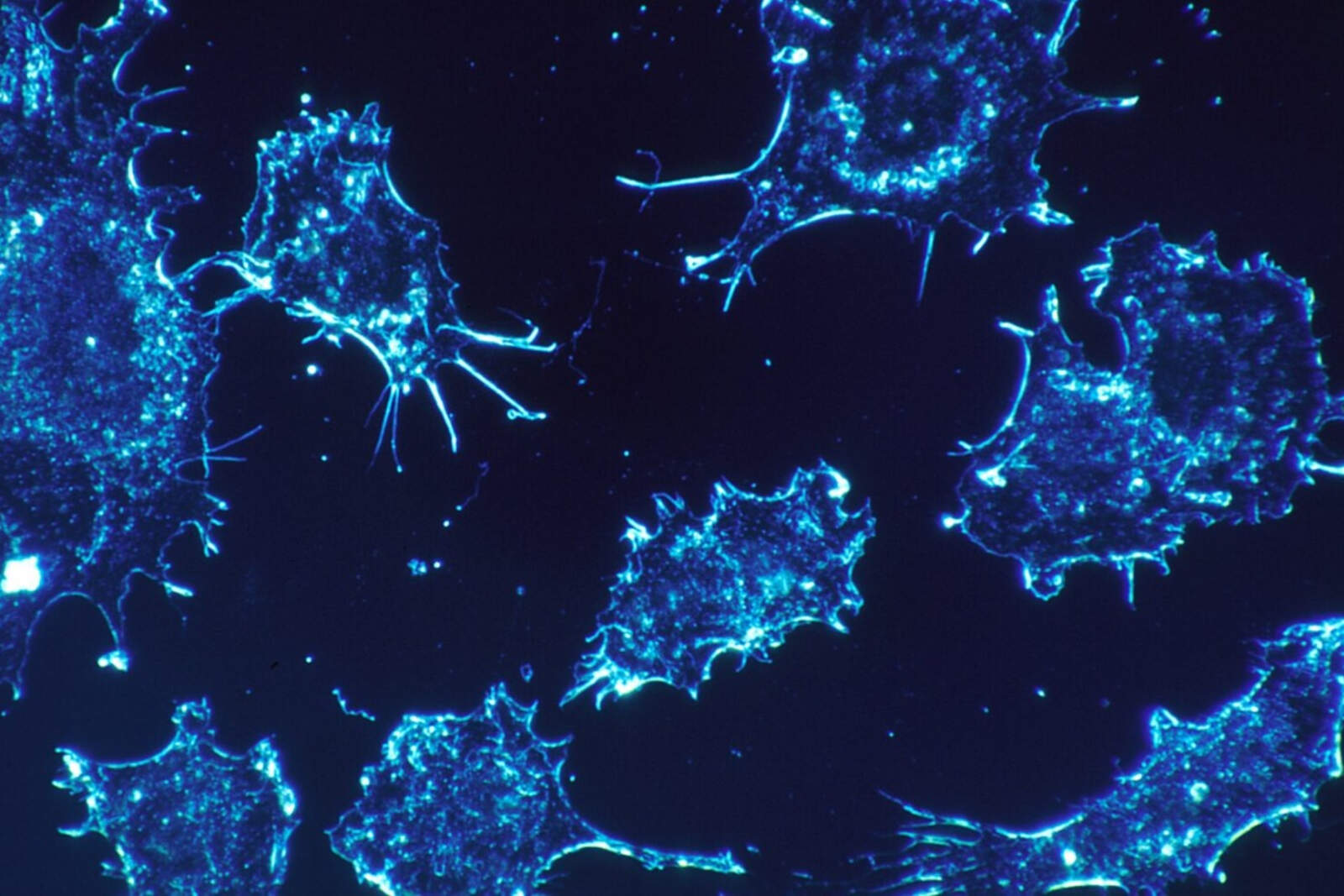
Researchers have created a virus that destroys colorectal cancer cells and slows metastasis
Nuevo
Agregar La Derecha Diario en
Compartir:
A team ofArgentine researchers achieved an innovative development: a virus capable of destroying colorectal cancer cells, including those variants that usually resist traditional treatments. The discovery opens a different therapeutic pathway for a disease marked by its high cellular heterogeneity.
The work was carried out by scientists from CONICET, the Leloir Institute Foundation, and several hospitals. The results were published in Molecular Therapy: Oncology, a journal from the Cell Press group, where its potential to reduce liver metastases in animal models was highlighted.
El trabajo fue realizado por científicos del CONICET, la Fundación Instituto Leloir y varios hospitales
Why colorectal cancer is so difficult to treat
The authors explain that this type of cancer functions as a "maze" of different cells. Some treatments eliminate a portion of the tumor, but other cells survive and expand again or generate metastases.
This diversity, known as tumor heterogeneity, limits the effectiveness of many therapies and increases the risk of adverse effects.
AR2015: a virus designed to target multiple types of malignant cells
With this problem as a starting point, the researchers developed AR2015, an oncolytic virus created to act only on cancer cells without affecting normal tissues. Its design was based on identifying two key genes: A33 and vWA2.
Un virus diseñado para atacar múltiples tipos de células malignas
Both genes are present at different stages of colorectal cancer and absent in healthy bowels. Based on them, the team created a hybrid promoter capable of guiding the virus to any cell expressing one or both markers.
Results in the laboratory and in patient samples
In the trials, AR2015 replicated inside tumor cells and destroyed them effectively. It worked in cells expressing A33, in those containing vWA2, and in those with both.
AR2015 se replicó dentro de las células tumorales
When tested with real patient samples, the virus maintained the same cell-killing capacity, confirming its potential for future clinical applications.
Impact on metastases and combination with chemotherapy
The most promising results were observed in animal models. The virus managed to halt the growth of liver metastases, one of the greatest challenges of colorectal cancer.
When combined with oxaliplatin, a common chemotherapy drug, the effect was even stronger, reducing metastases with greater intensity.
El virus logró frenar el crecimiento de metástasis hepáticas
A safer alternative with expansion potential
The study confirmed that AR2015 doesn't harm healthy cells or affect other tissues, making it a safer option. Its compact structure would allow the incorporation of additional genes to strengthen the immune response.