Black frogs, antibiotic-resistant bacteria, and wolves immune to cancer: how Chernobyl transformed animal life
Nuevo
Agregar La Derecha Diario en
Compartir:
The nuclear disaster at Chernobyl in 1986 not only made history because of its human consequences, but also because of the impact on the wildlife inhabiting the exclusion zone. Nearly 40 years later, scientists are discovering surprising adaptations in animals that coexist with high levels of radiation.
From black frogs to wolves resistant to cancer, research shows that some species have developed genetic changes considered "accelerated survival."
Científicos descubren adaptaciones sorprendentes en animales de la zona
The Chernobyl Exclusion Zone
After the explosion of reactor number 4, the Soviet Union established a 30-kilometer (18.6 miles) cordon known as the Exclusion Zone. Today, it remains an area with radiation levels up to 100 times higher than those in Kyiv. However, it has become a refuge for various species, from wild horses to stray dogs.
Frogs that changed color
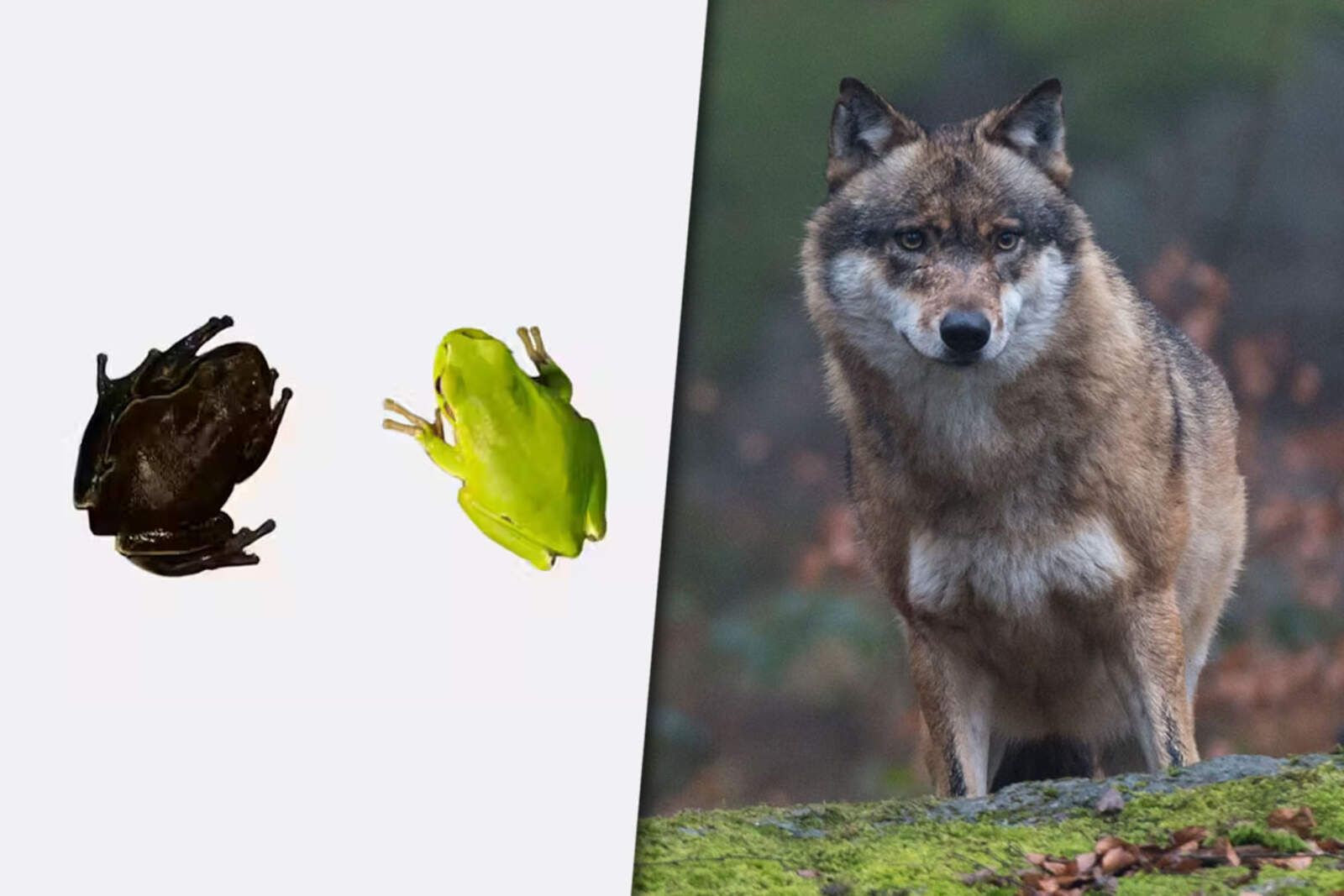
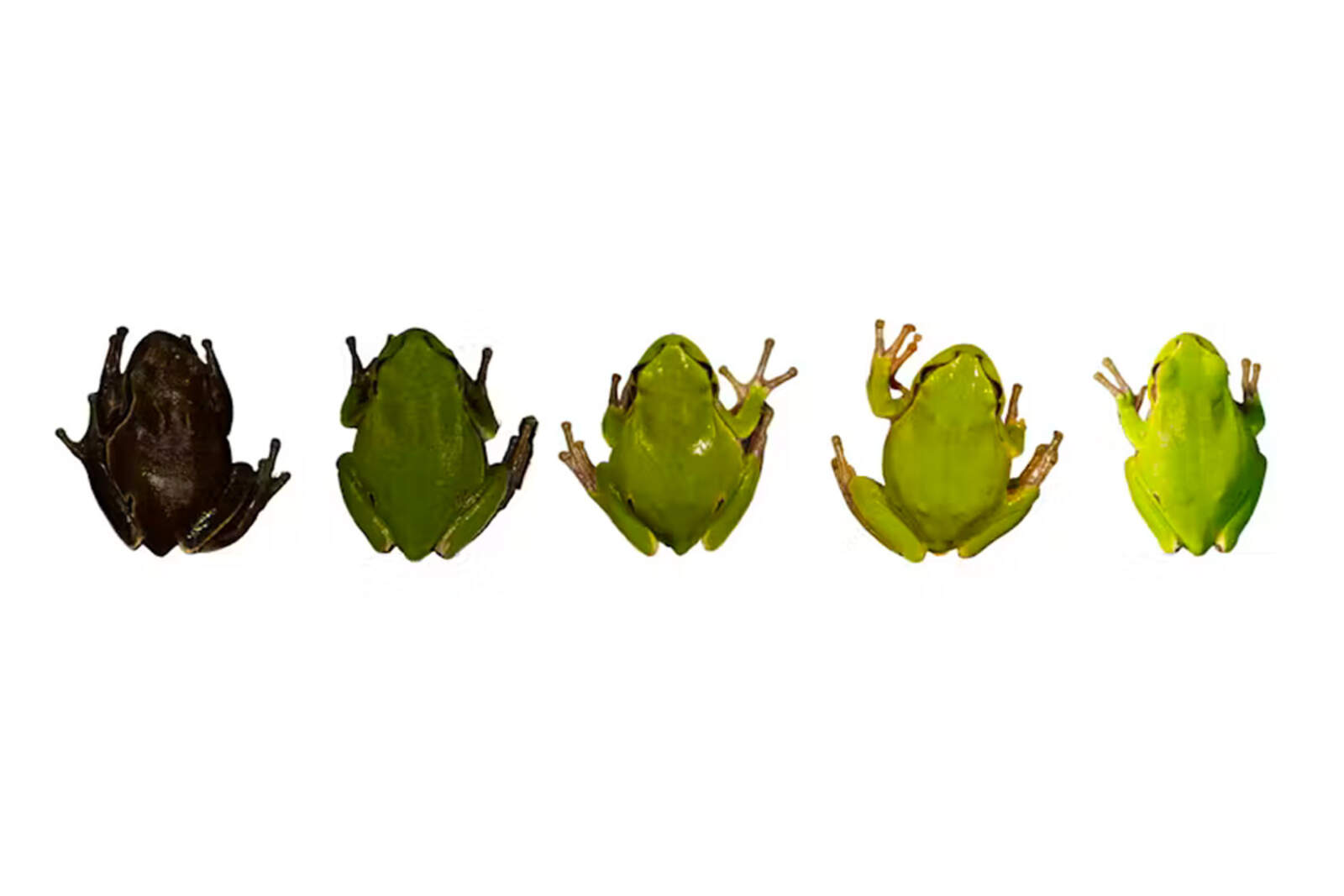
A study led by Pablo Burraco revealed that frogs living near the reactor developed much darker skin. The excess melanin acts as a protective shield against radiation, increasing their chances of survival.
The researchers believe that this change could be a case of rapid evolution after the accident.
Ranas que cambiaron de color
Bacteria stronger than radiation
In 2016, a study published in Scientific Reports showed that bacteria present in birds from the area managed to withstand doses of radiation that would be lethal in other environments. This resistance suggests that radiation has become a key selective pressure in their evolution.
Wolves resistant to cancer
A team led by Princeton University identified that wolves have developed genetic mutations associated with resistance to cancer. These findings raise new questions about how this knowledge could be used for human health.
Lobos resistentes al cáncer
The dogs that were left behind
A study by the University of South Carolina analyzed the DNA of 302 stray dogs living in the area. They found significant differences compared to other populations. Many are descendants of pets abandoned in 1986, and their adaptation could be linked both to radiation and inbreeding.