A group of researchers from the Leloir-Conicet Institute and the Italian Hospital of Buenos Aires developed an innovative method to detect cases of epilepsy through blood biomarkers. This breakthrough could allow for personalized treatments and open new lines of research in health.
The study, published in the journal Scientific Reports from the Nature group, represents an important step in the search for less invasive and more effective diagnoses for those who suffer from this disease.
Un grupo de investigadores desarrolló un método innovador para detectar casos de epilepsia
What Argentine scientists discovered
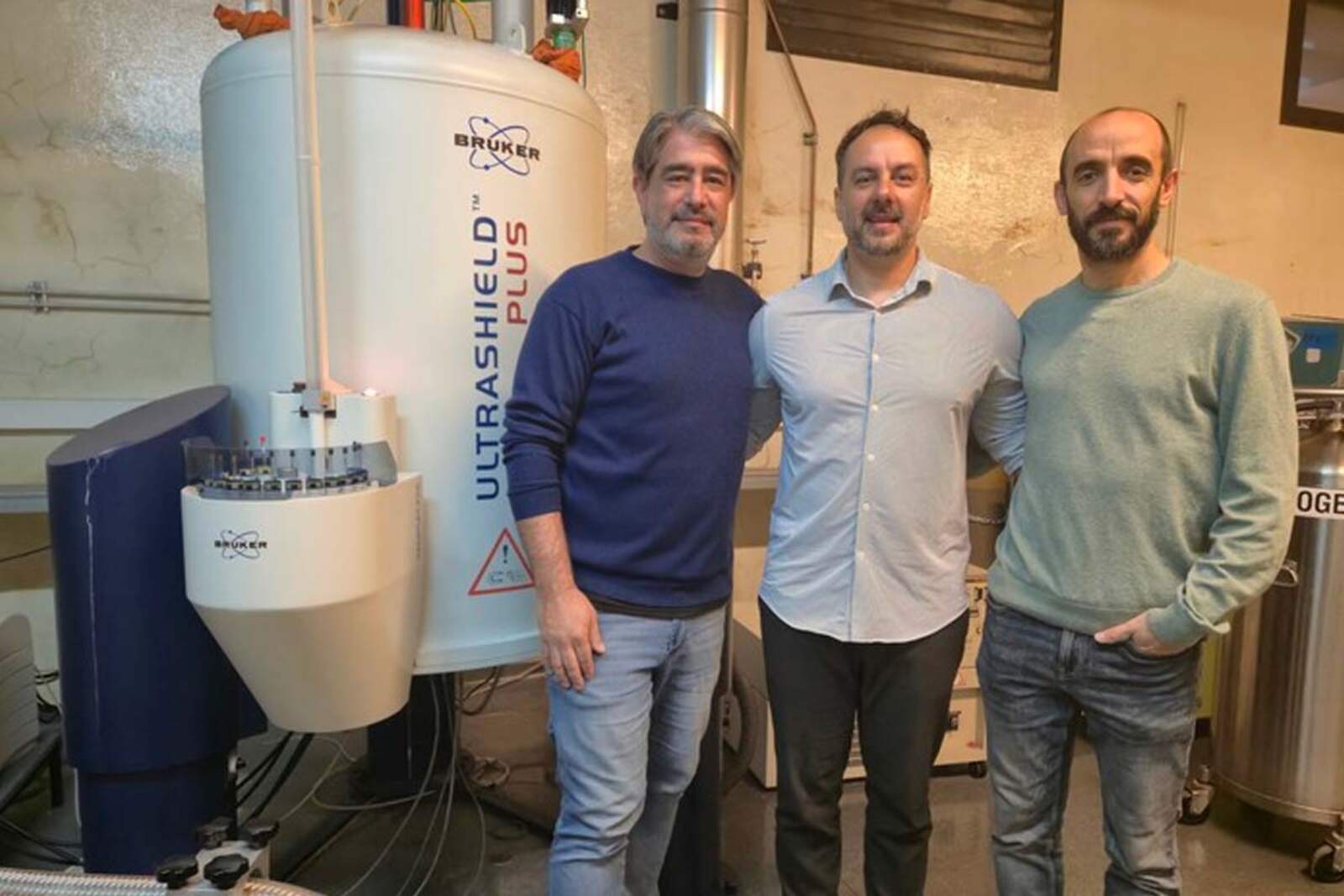
The team was led by biologist Martín Arán from the Leloir Institute and neurologist Juan Carlos Ávalos from the Italian Hospital. They managed to identify changes in certain metabolites present in the blood of patients with epilepsy before and after experiencing a seizure. Those metabolites—such as hippurate, pyroglutamate, or isovalerate—could serve as warning signals about the activity of the disease.
To obtain these results, the researchers analyzed samples from 32 patients using nuclear magnetic resonance, an atomic resolution technique that allows for highly precise observation of blood molecules. According to the authors, the data were so consistent that they're impossible to ignore.
A new approach to treating epilepsy
This type of finding is key to advancing toward personalized medicine, where treatments can be tailored to each patient's metabolism and response. In addition, biomarkers could help detect episodes of epilepsy that occur at night or silently.
Este tipo de hallazgos es clave para avanzar hacia una medicina personalizada
Arán emphasized that the technology used is "very minimally invasive, fast, and ultimately more economical", which would facilitate its implementation in hospitals around the world. He also stressed that the discovery is just the beginning. The team is already working on a second phase to analyze molecules related to metabolism and insulin resistance in people with epilepsy.