Bruno Capuano was born in Córdoba and today teaches the world how to use artificial intelligence to enhance work and creativity
Nuevo
Agregar La Derecha Diario en
Compartir:
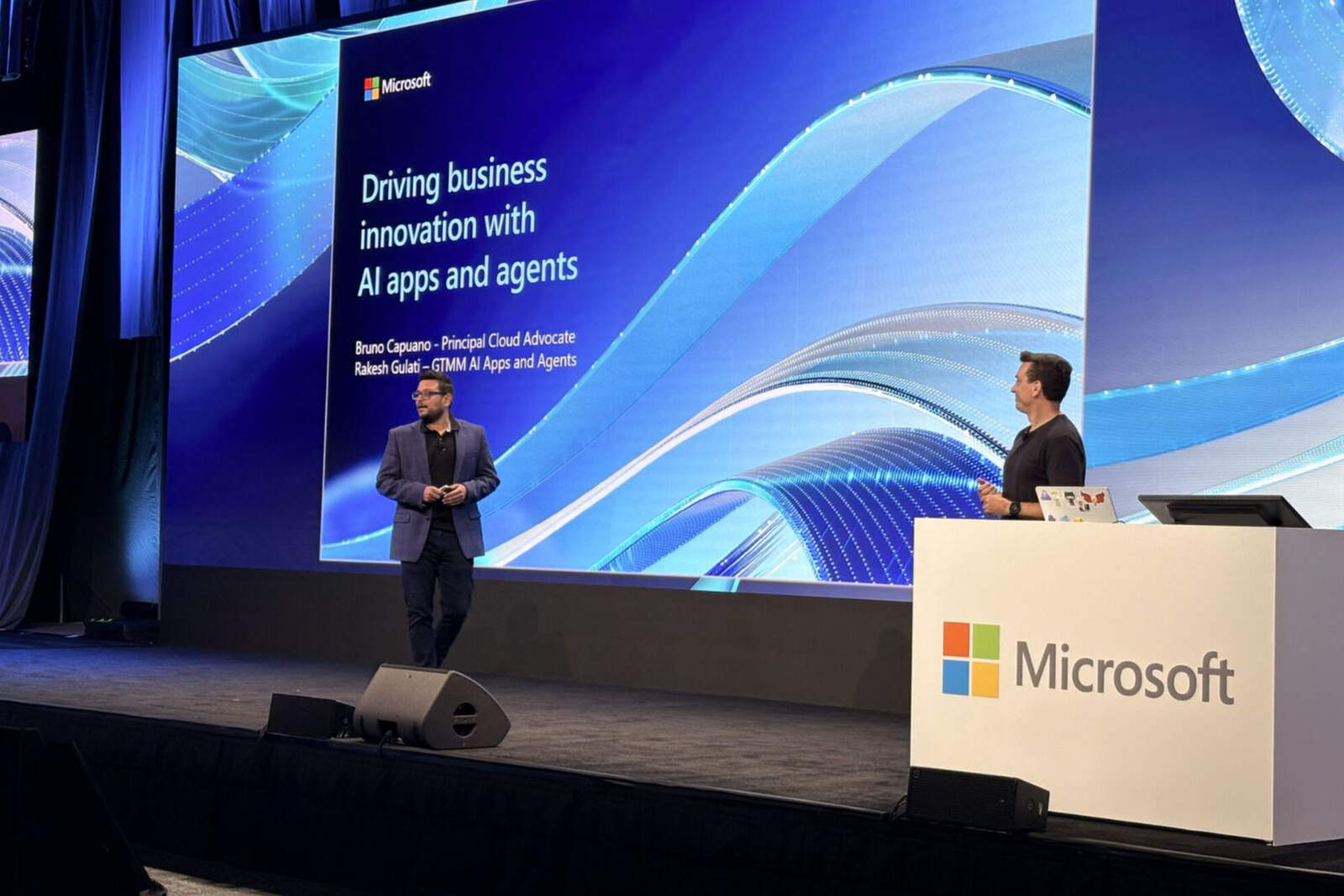
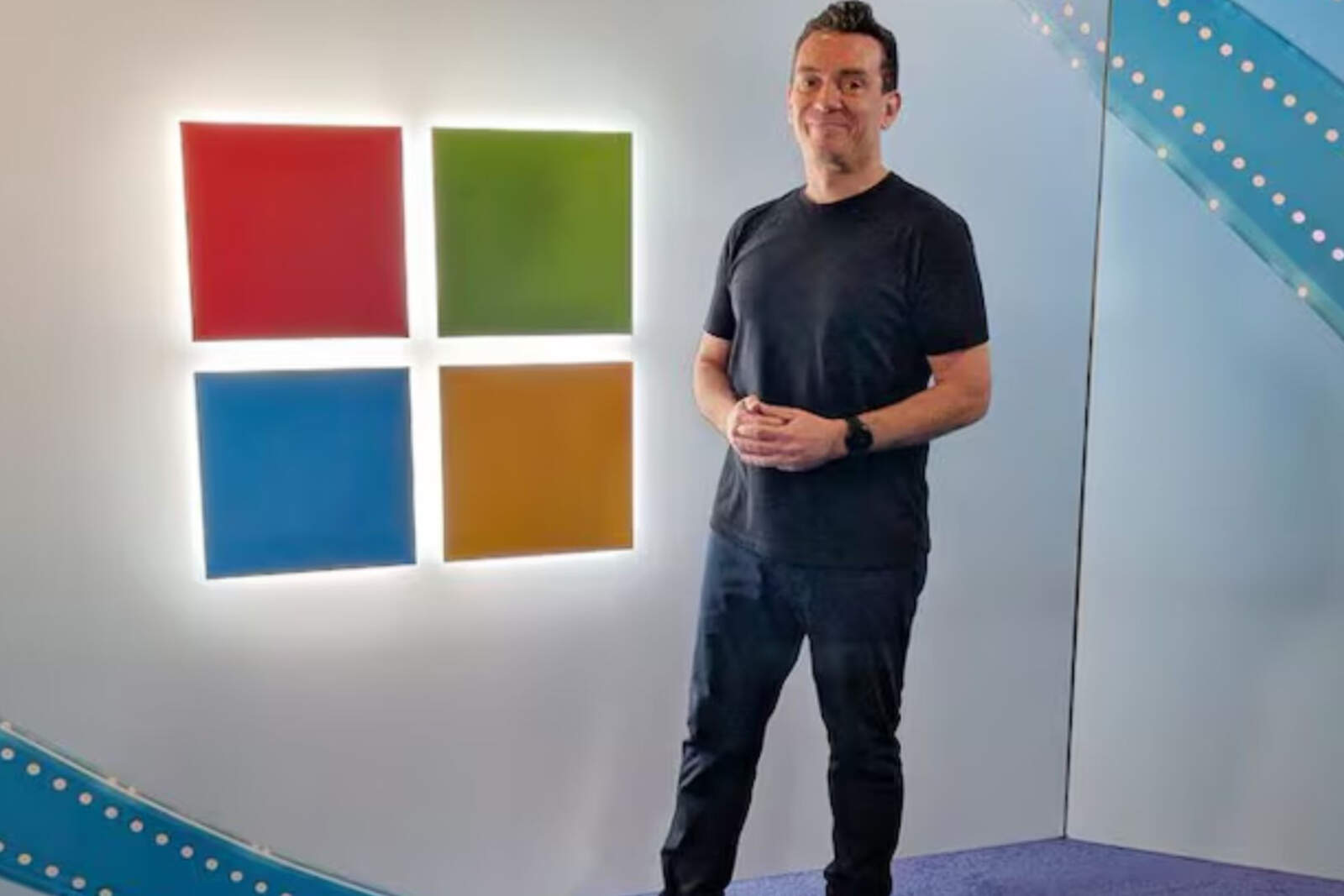
Bruno Capuano was born in the Kennedy neighborhood, in the south of the city of Córdoba, and today works for Microsoft Global from Canada. From there, he is part of an international team that promotes and improves artificial intelligence (AI) tools. His story reflects how adapting to technological changes can open new job opportunities in an increasingly competitive world.
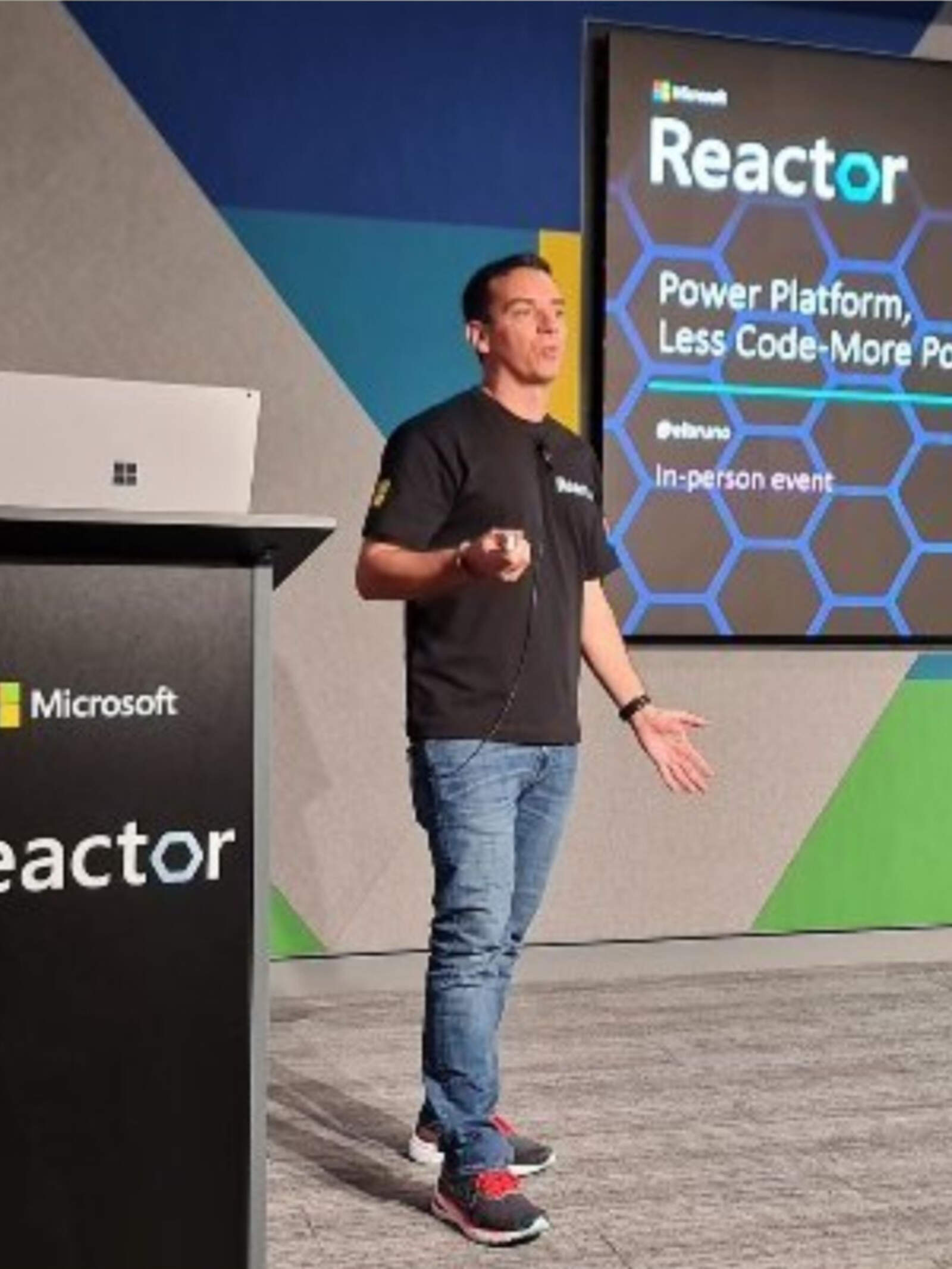
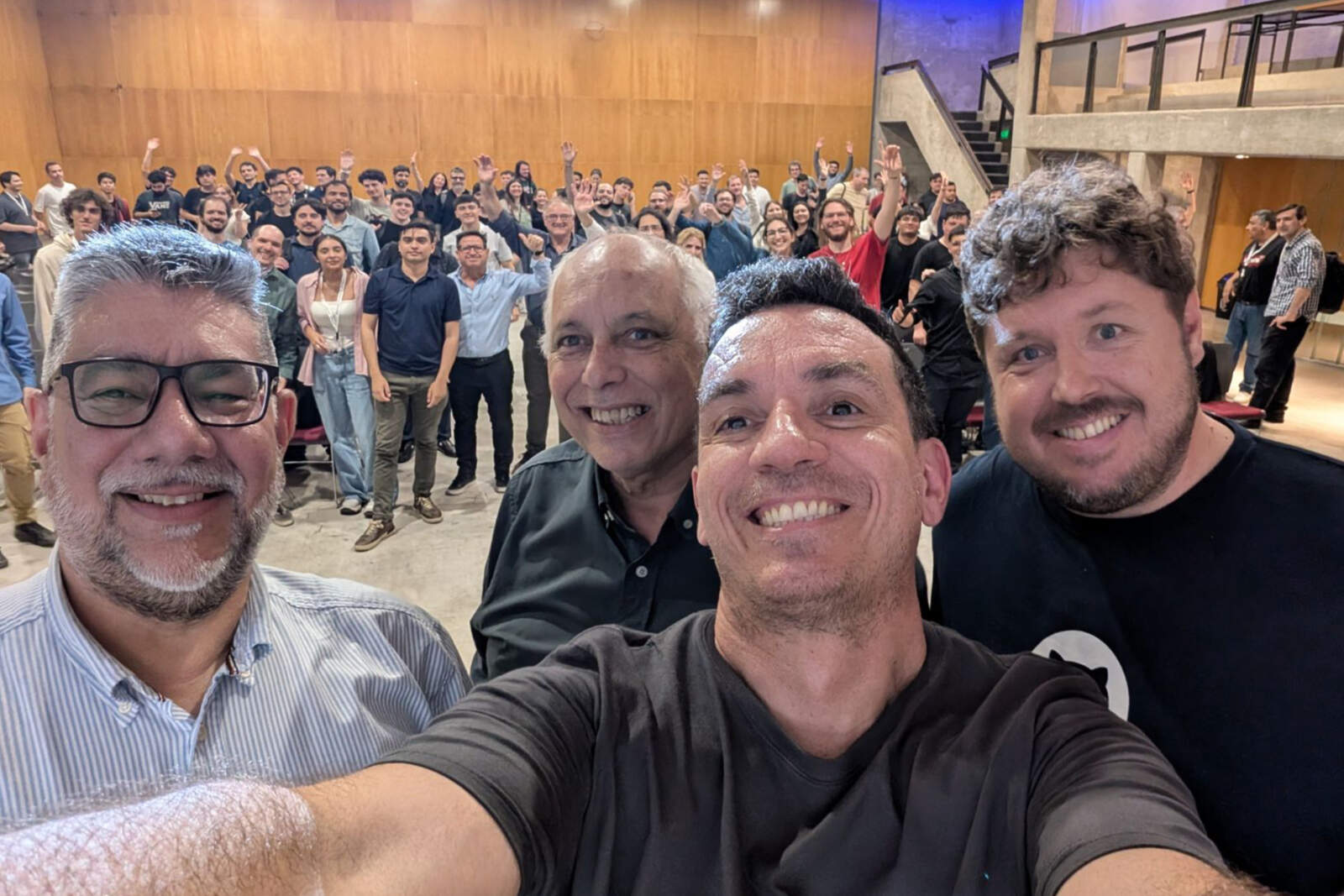
With almost a decade living in Canada, Capuano travels the world teaching how to apply AI in business and educational settings. He states that the real risk is not that artificial intelligence will replace jobs, but that those who know how to leverage it will. "AI is not going to take your job; the person who knows how to use it will," he summarizes as a motto of the times.
His journey demonstrates that Argentine talent can project itself globally when technical training is combined with a curiosity to learn. Capuano is an example of how innovation knows no borders and that technology can be a tool for social mobility when used with purpose and preparation.
Bruno Capuano nació en barrio Kennedy, al sur de la ciudad de Córdoba, y hoy trabaja para Microsoft Global
The rise of intelligent agents and the future of work
From his role at Microsoft Global, Capuano works alongside experts from countries such as Brazil, South Korea, Australia, and the United States. His job is to analyze how people use AI tools and to transfer that experience to development teams. He also collaborates in the creation of intelligent agents, programs capable of conversing, executing tasks, and managing information in real time.
According to the specialist, agents are revolutionizing business productivity by automating repetitive tasks. These tools already assist programmers, writers, and administrative teams, generating a leap in efficiency without replacing human judgment. Capuano keeps that the key is to combine creativity with the strategic use of technology.
Global companies such as Microsoft, Google, Amazon, and Nvidia are working on common standards so that agents can interact with each other. This unprecedented development could allow in the future the integration of diverse systems, combining the strengths of each platform.
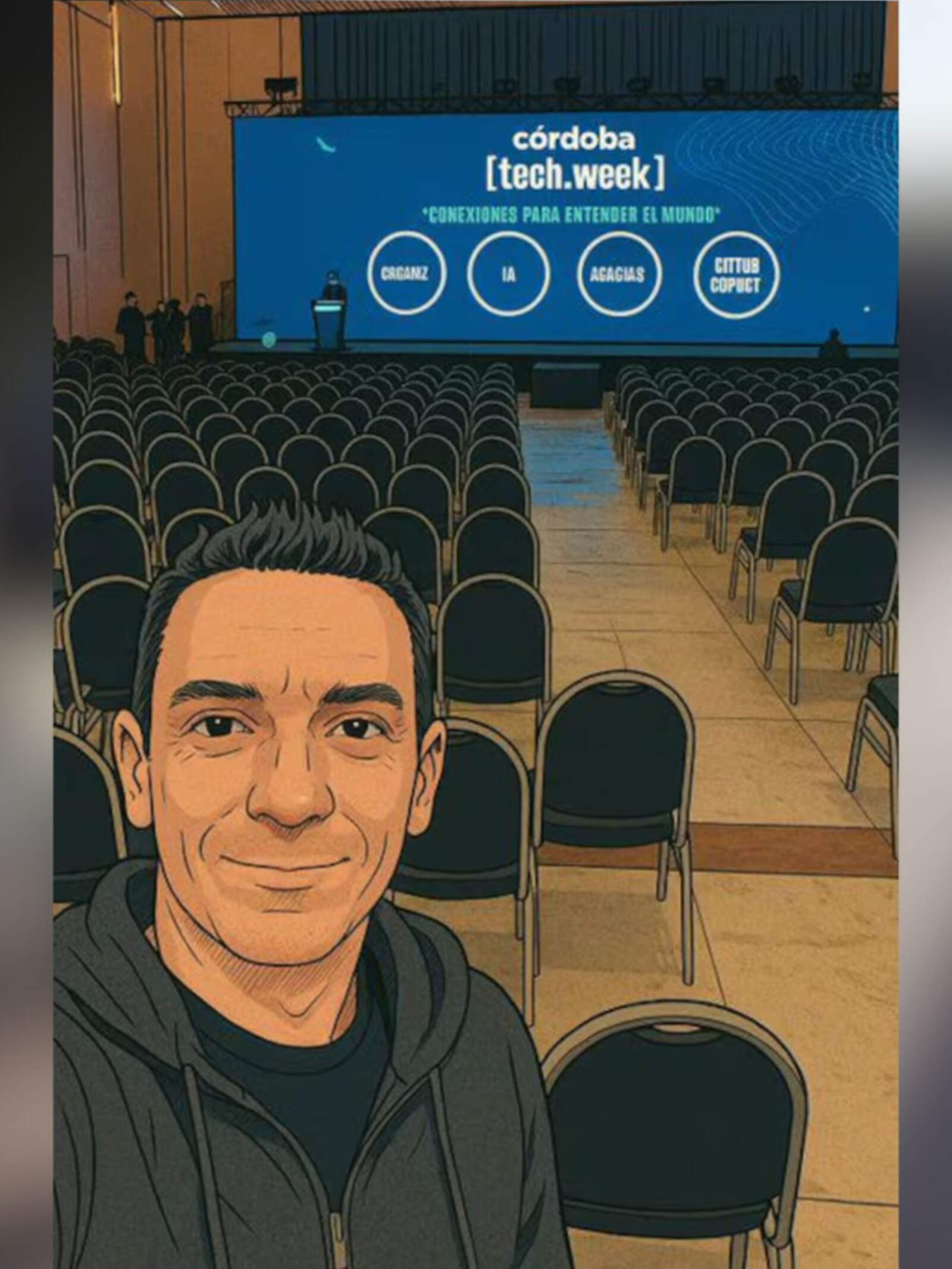
Bruno estuvo presente en Córdoba para la Córdoba Tech Week realizada recientemente en la ciudad capital.
Latin America, a region with an innovative spirit
Capuano observes that Latin America has enormous potential to lead the adoption of new technologies. Unlike Europe, where structure and caution prevail, the region has a culture of greater boldness and experimentation. "Here we are more daring and that gives us an advantage to learn and adapt quickly," says the engineer from Córdoba.
The specialist highlights that AI not only improves productivity, but can also generate opportunities in unexpected sectors. He mentions the case of a developer from the Caribbean who used free AI tools to create art guides adapted to different ages, successfully combining education, culture, and accessibility. Such examples show the transformative power of technology when it is aimed at solving real problems.
Capuano emphasizes that the current challenge is not only "to be productive," but also to reinvent the human role in increasingly automated environments. He considers AI a strategic ally for those who know how to leverage its creative and entrepreneurial potential.
Capuano es un ejemplo de cómo la innovación no conoce fronteras y de que la tecnología puede ser una herramienta de movilidad social
Training to compete in the era of artificial intelligence
The engineer acknowledges that the emergence of AI poses a new educational challenge. Many young programmers today find it more difficult to enter the job market, since companies prioritize profiles with experience supported by AI. However, he suggests that training new talent in the use of these tools can generate a powerful and competitive workforce.
India, Capuano highlights, already implements teaching programs in programming and artificial intelligence from elementary school. He says that this policy is allowing them to create a generation prepared for the jobs of the future. In Latin America, that approach still needs to be consolidated, although interest is growing in technology and education sectors.
For Capuano, the future of work will not depend on fearing technology, but on learning to master it. His story, from Kennedy neighborhood to Microsoft Global, sums up the main lesson: artificial intelligence doesn't replace human talent, it enhances it.
Desde su rol en Microsoft Global, Capuano trabaja junto a expertos de países como Brasil, Corea del Sur, Australia y Estados Unidos.