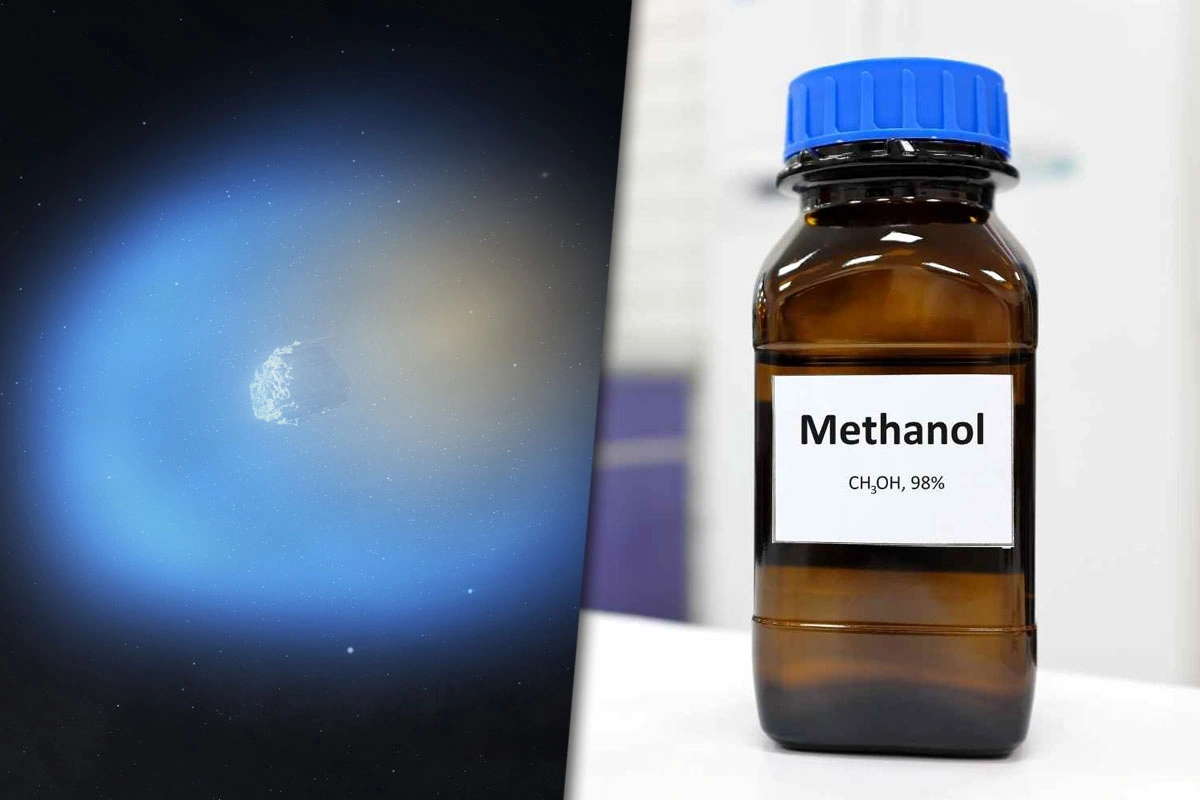

A team of astronomers discovered that interstellar comet 3I/ATLAS contains unusually high amounts of methanol, an alcohol molecule found in space. The finding could provide new clues about how planets and icy bodies form in other solar systems
.The study was carried out with the powerful ALMA radio telescope in Chile and released by the National Radio Astronomy Observatory (NRAO). According to the researchers, analyzing this object is like obtaining a “chemical fingerprint” of another planetary system
.
What scientists discovered on interstellar comet 3I/ATLAS
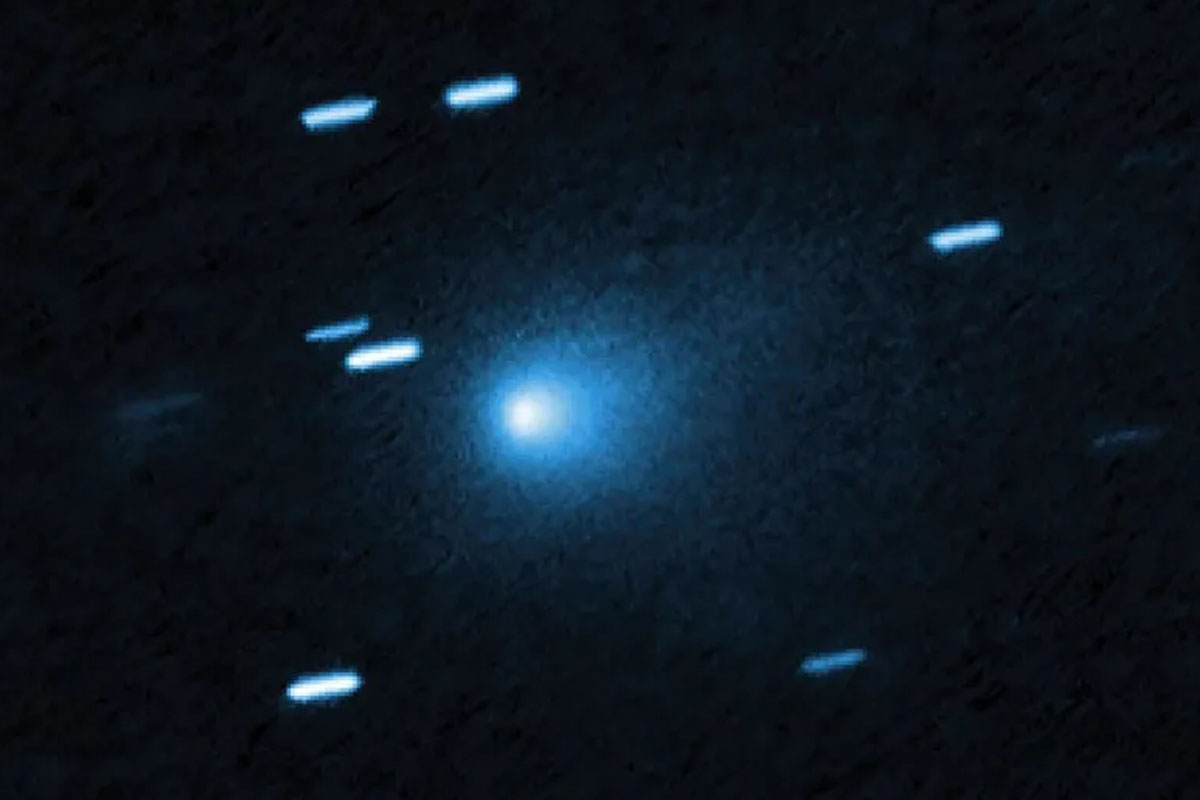
Researchers detected extremely strong signals of methanol (CH3OH) within
the gas cloud surrounding the comet.This cloud, known as a coma, forms when the comet approaches the Sun and the heat causes ice on its surface to release gas and dust into space. This ejected material allowed astronomers to analyze the chemical composition of the comet in detail
.According to measurements, the ratio of methanol to hydrogen cyanide is much higher than what is normally seen in comets in the solar system.
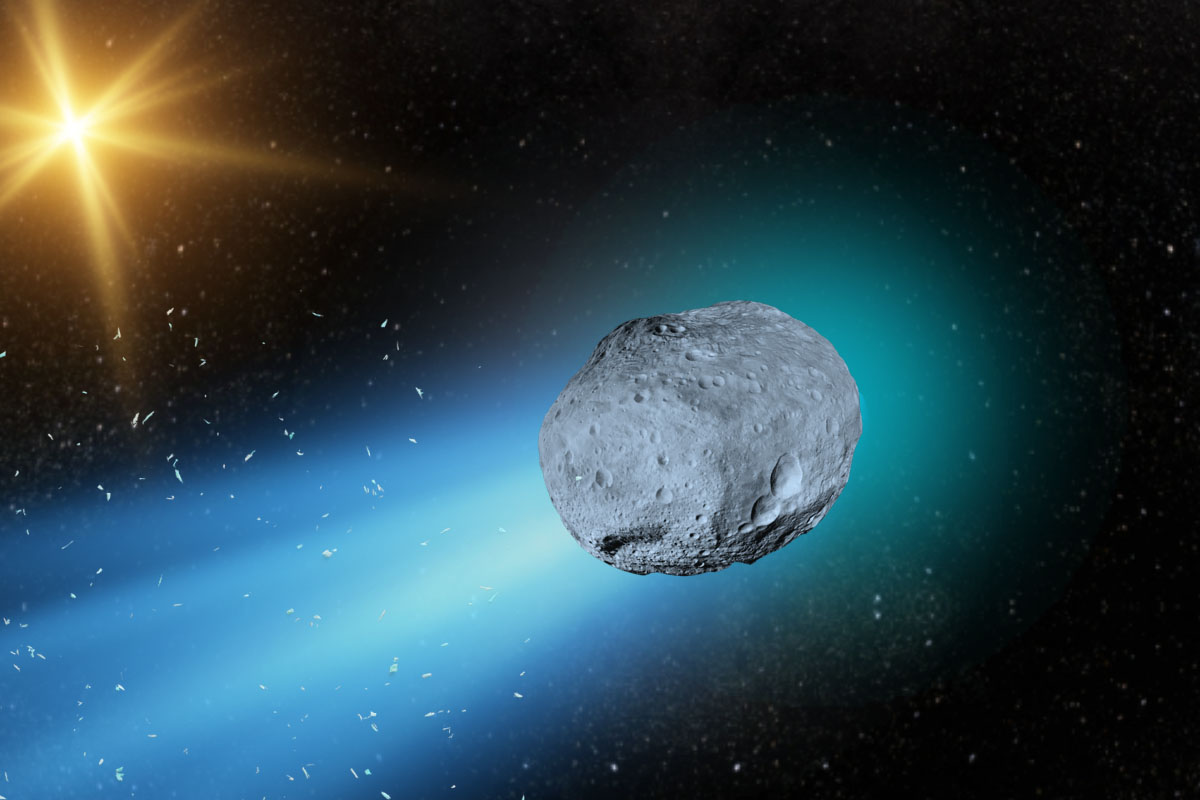
This suggests that 3I/ATLAS would have formed in a planetary environment with physical conditions very different
from ours.“How to take a fingerprint of another solar system”
The study was led by astronomer Nathan Roth, professor at American University.In statements released by the NRAO, the scientist explained the importance of the finding. “Observing 3I/ATLAS is like taking a fingerprint of another solar system,” Roth said
.
As he explained, chemical details reveal what the object is made of and show a much greater presence of methanol
than usual.This excess of molecular alcohol could indicate that the comet originated in a system with cooler temperatures or with a different chemical composition.
What is methanol and why it appears in comets
Methanol is a simple alcohol molecule used in industry on Earth, different from the ethanol found in beverages