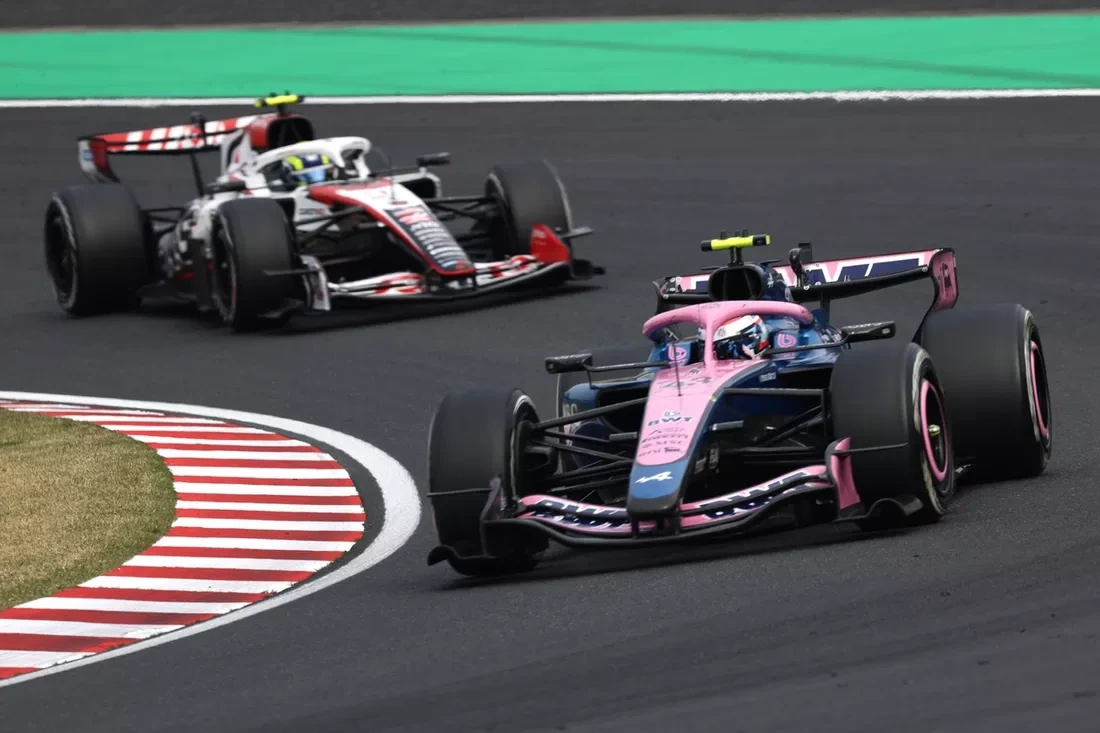
in performance. The FIA seeks to prevent a repeat of the episode between Bearman and Japan's Colapinto
In parallel, the MGU-K system will maintain a power of 350 kW in key acceleration and overtaking areas, but will be limited to 250 kW in the rest of the circuit. The intention is to decrease closing speeds without affecting the chances of overtaking.
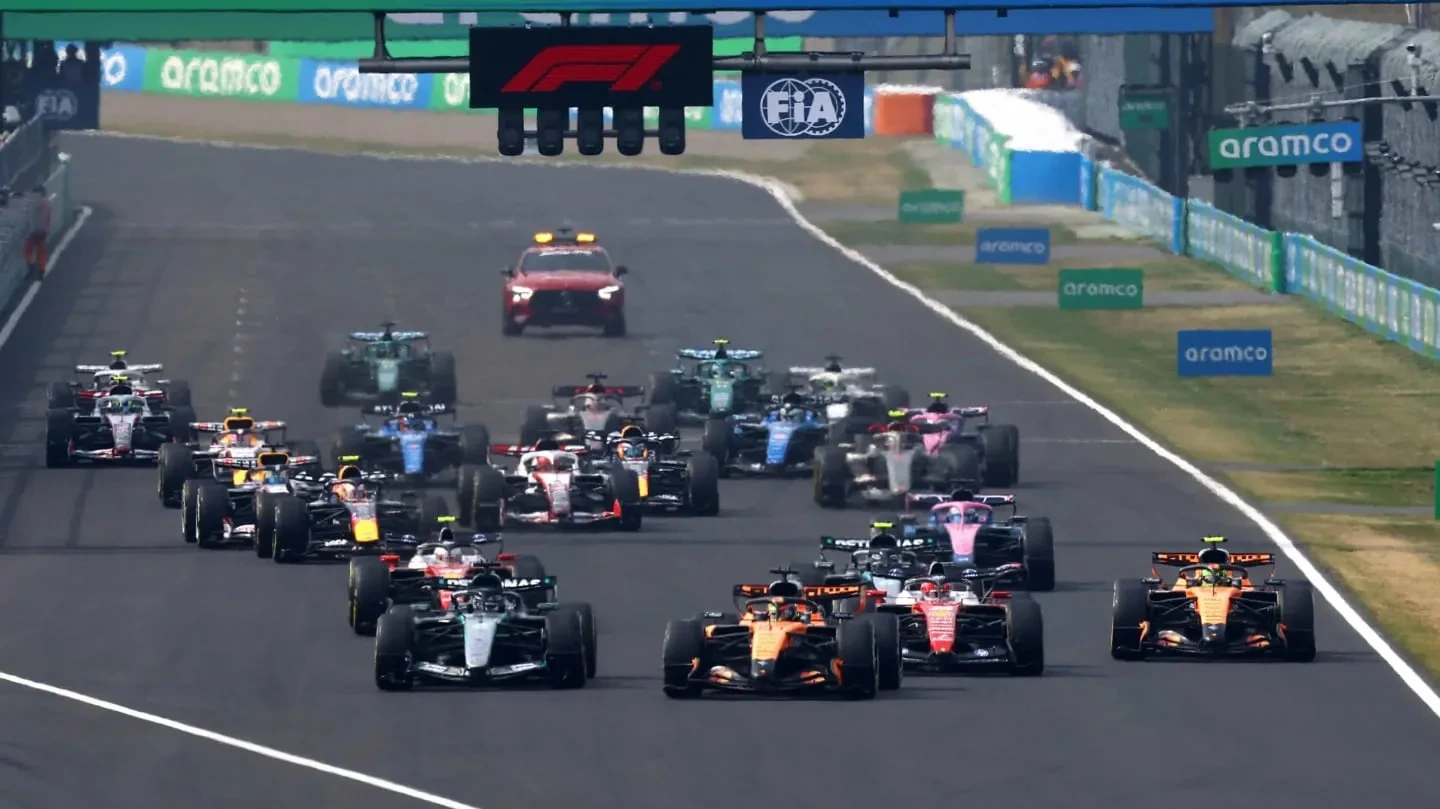
New measures at the start
One of the most innovative changes will be the implementation of a low-power detection system at the exit. This mechanism will identify cars with abnormal acceleration after releasing the clutch and will automatically activate the MGU-K to ensure a minimum output level, avoiding risks without providing sporting
Following a unanimous agreement between the International Automobile Federation (FIA), teams, engine manufacturers and the FOM, Formula 1will introduce immediate changes to the 2026 technical regulations. The modifications will begin to apply from the Miami Grand Prix, scheduled from May 1 to 3, after the analysis of the first three races of the season and with direct input from the drivers
.
The measures, which have yet to be validated by the F1 Commission and ratified by the FIA World Council, aim to correct aspects related to performance, energy management and track safety.
Changes in classification: less management, more speed
One of the main focuses is on reducing dependence on energy management to promote “deeper” driving. In this sense, the maximum allowed recharge is reduced from 8 to 7 MJ, with the objective of avoiding excess energy recovery and limiting the use of the system to between 2 and 4 seconds per lap
Will F1 change energy management In
turn, the power of the "superclip" systemis increased from 250 to 350 kW, reducing charging times and simplifying the pilot's task. In addition, the number of races in which lower energy limits may apply has been extended from 8 to 12, giving greater flexibility depending on each circuit
.
Race adjustments: control and lower risk
For competitions, the priority will be to avoid sudden differences in speed between cars. Therefore, the use of Boost mode will have a limit of +150 kW, or the current level of the car if it is higher, with the aim of reducing sudden peaks
advantages. F1 will implement more safety measures for starts
In addition, a visual warning system will be added with rear and side flashing lights to alert drivers coming behind. A technical inconsistency will also be corrected with the restart of the energy meter at the start of the training lap. This package will be tested in Miami before final adoption.
Improvements in rain: more grip and visibility
Following the drivers' complaints, the temperature of the thermal blankets for intermediate tires will be increased, seeking to improve the initial grip
in wet track conditions.
At the same time, the maximum deployment of the ERS will be reduced to limit engine torque and facilitate car control on low-adhesion surfaces. In parallel, the rear light system will be simplified to provide clearer signals and improve visibility in adverse conditions
.
With these modifications, Formula 1 seeks to quickly adjust a regulation that has generated debate since its implementation, in an attempt to balance spectacle, performance and safety in the category.