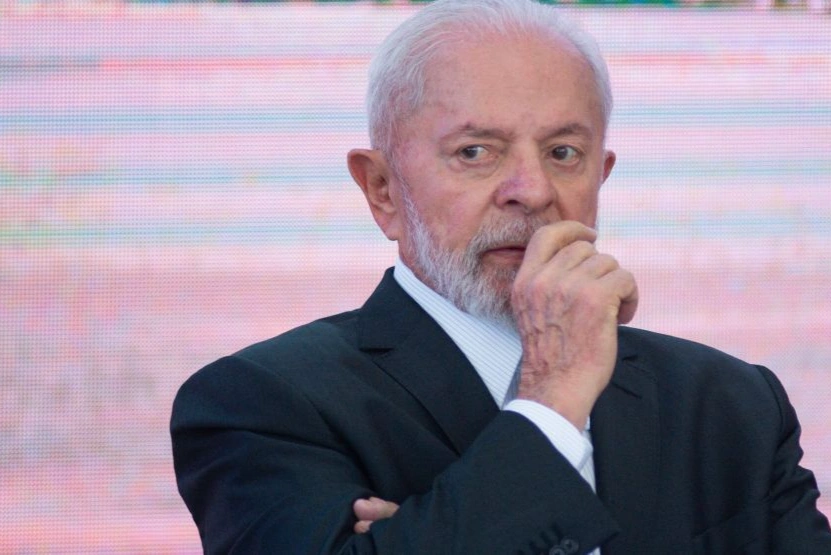
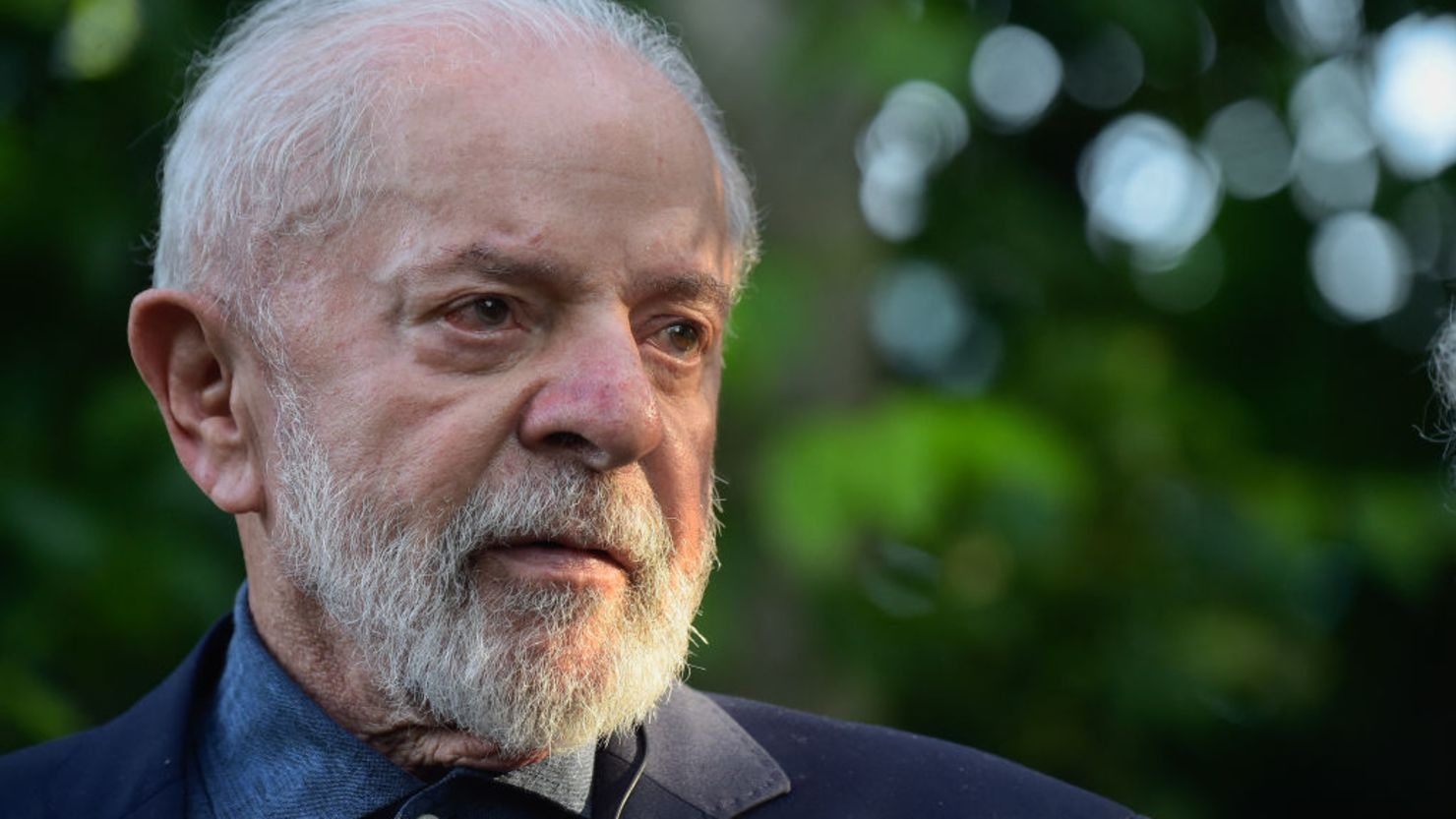
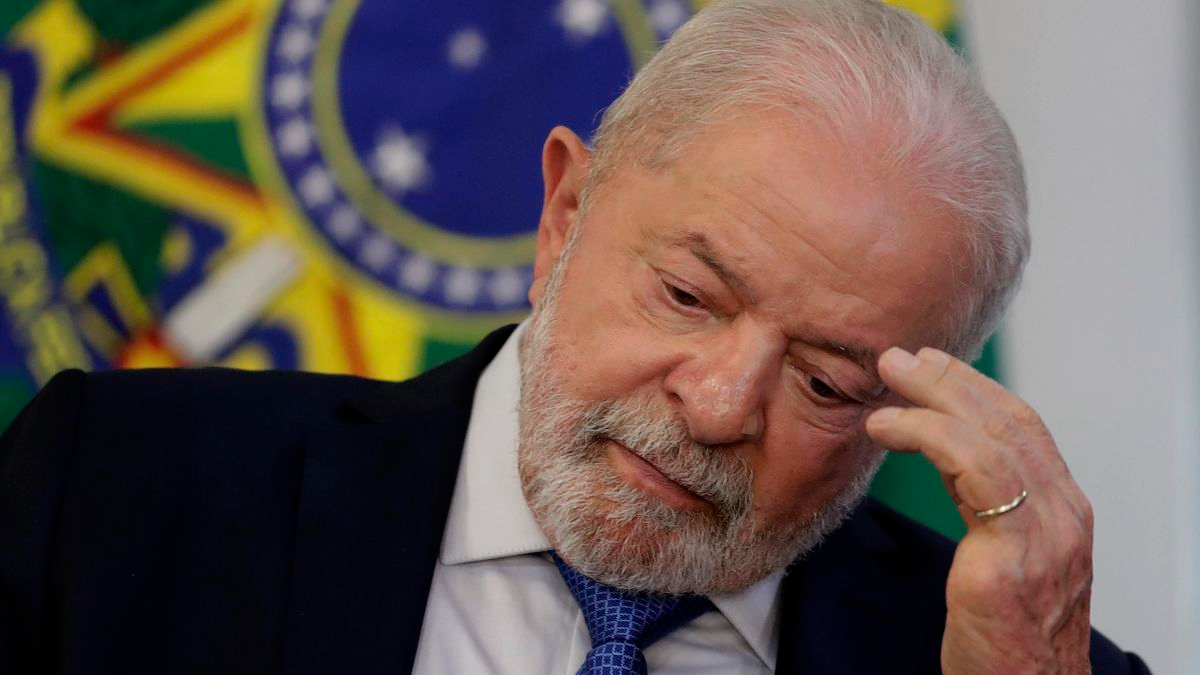
Brazil's socialist dictator, Lula da Silva, is facing a growing political crisis following a major scandal linked to the collapse of a financial structure that would have diverted millions of dollars from the Brazilian pension system.
The case, known as “Master”, is already considered one of the most serious in the country's recent history, and combines accusations of fraud, money laundering and criminal organization, with references that reach the core of political power.
The investigation revolves around a scheme led by banker Daniel Vorcaro, who is negotiating a collaboration agreement with prosecutors, which operated through irregular mechanisms to extract resources from the National Social Security Institute (INSS).
Lula da Silva.
The diversion is estimated at 57 billion reais, about 10.9 billion dollars, which positions this episode as an unprecedented scandal in
the Brazilian banking system.
The operation included the manipulation of data and the construction of an appearance of non-existent solvency, allowing the system to function as a liquidity structure without real support.
As a result of these events, the case ceased to be a financial issue and turned into a high-impact political crisis. The process has the capacity to alter the institutional and political scenario, in a key election year.
Problems for Lula da Silva
From the Planalto Palace, Lula tried to justify himself because it is an inherited case. However, the progress of the investigation began to bring the scandal closer to the current president's environment, generating political wear and tear that is already
becoming visible.
One of the most delicate points for the dictator is the emergence of links between companies of his son, Fabio Luis Lula da Silva, known as “Lulinha”, and the financial structure under investigation. In addition, Lula's former justice minister, Ricardo Lewandowski, is also
under investigation. Lula da Silva.
This element introduced a personal dimension to the crisis, increasing pressure on the head of state at a
particularly sensitive time.
In this context, the independence of the Federal Police to advance the investigation of his son became a factor of high political cost. The situation exposes the government to questions and deepens the deterioration of its image in the middle of
the pre-election phase.
The impact is already reflected in the political climate. Analyst Creomar de Souza warned that “there is already an electoral complication that is manifested in this malaise, in that sense of wear and tear that emerges in government evaluations
.”
In turn, analyst Murilo Medeiros highlighted the effect that this type of crisis can have on public opinion. As he explained, when cases of corruption dominate the agenda, the scenario becomes especially adverse for those in power, since “Lula today represents the system
”.
This context acquires greater relevance in a competitive electoral scenario, where the dictator faces a tight picture against the right-wing candidate Flavio Bolsonaro. The evolution of the case could have a direct impact on the behavior of the electorate and on the definition of the next