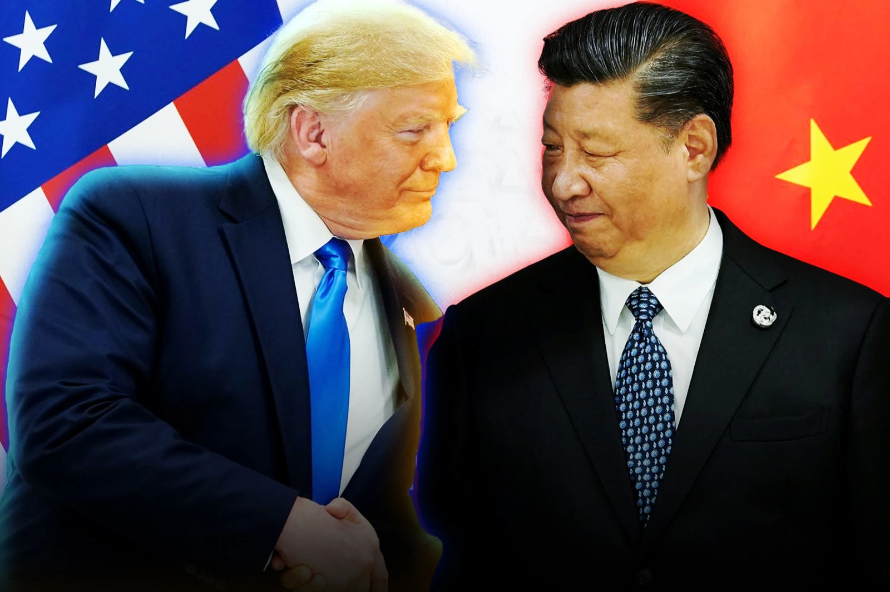
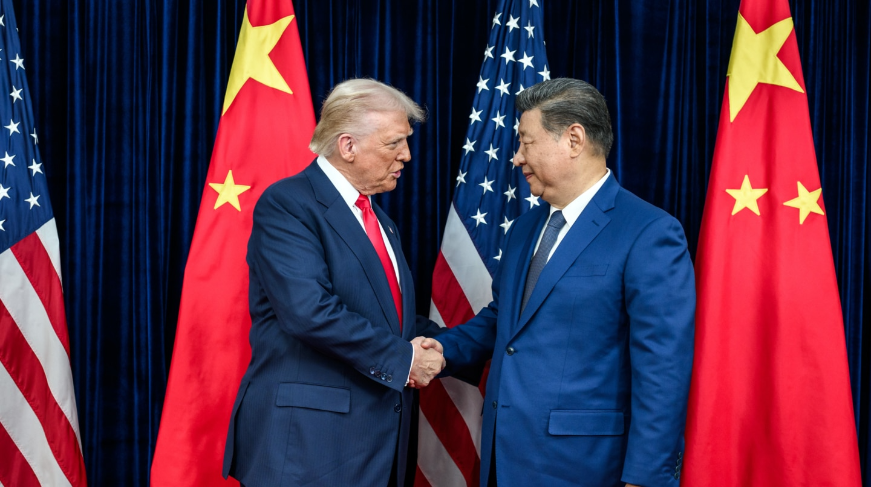
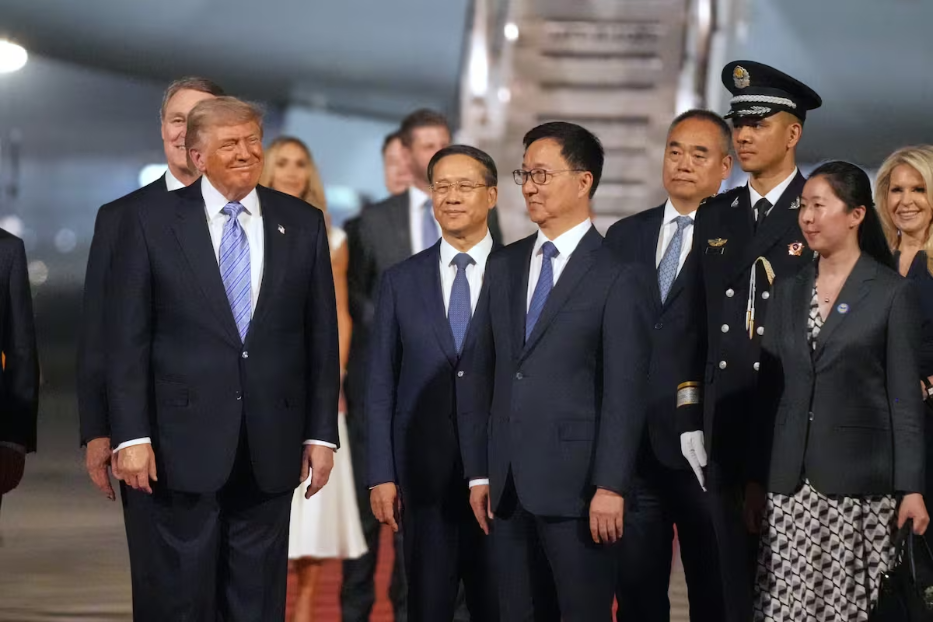
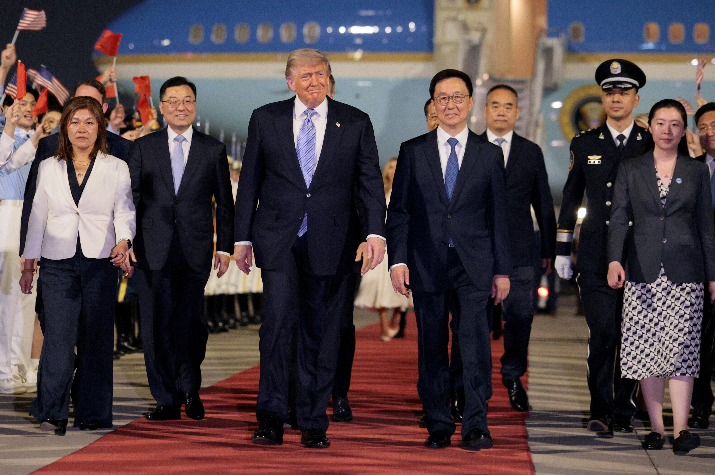
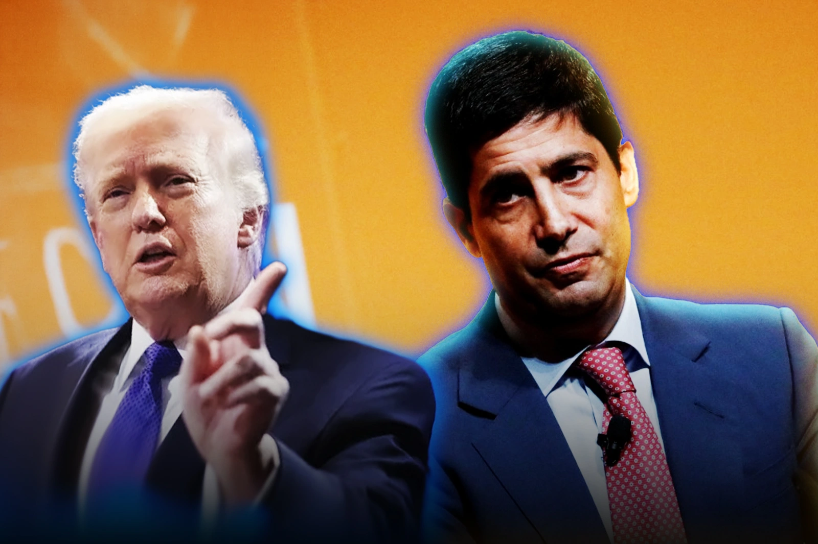
The President of the United States, Donald Trump, began on Thursday a historic official visit of high political and economic impact in China with a series of strategic meetings alongside the Chinese communist leader Xi Jinping in Beijing.
The meeting between the two leaders occurs in a delicate international context, marked by trade tensions, technological disputes, and the global consequences of the war with Iran, although the White House claims that the trip mainly aims to strengthen the U.S. economy and stabilize the relationship with the world's second-largest power.
The visit also has a strong symbolic component. It is the first official trip of Trump to China since his return to power in 2025 and also the first large-scale in-person meeting between the two leaders since the trade truce reached last year.
The U.S. administration believes that the talks could open a new phase of limited cooperation between Washington and Beijing, primarily focused on trade, investments, and global financial stability.
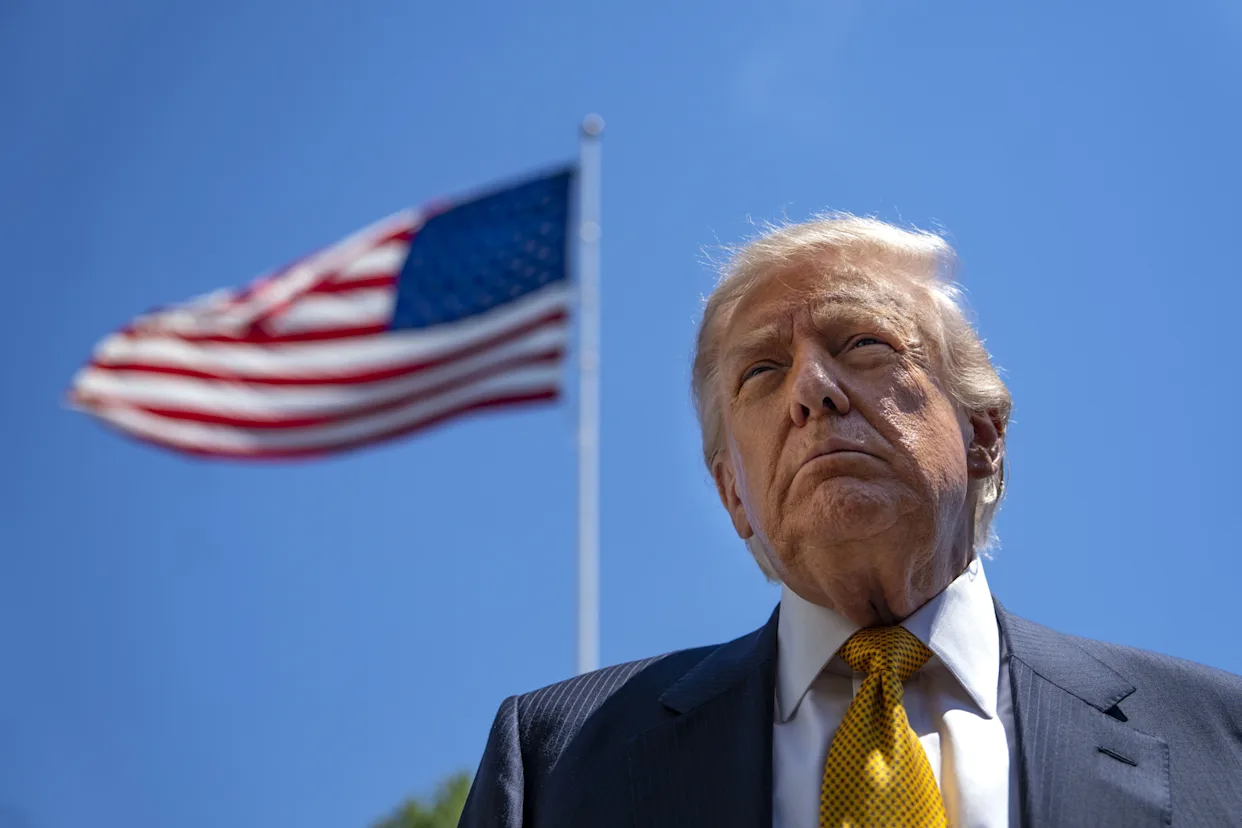
President Donald Trump arrived in China for a historic summit with communist leader Xi Jinping.
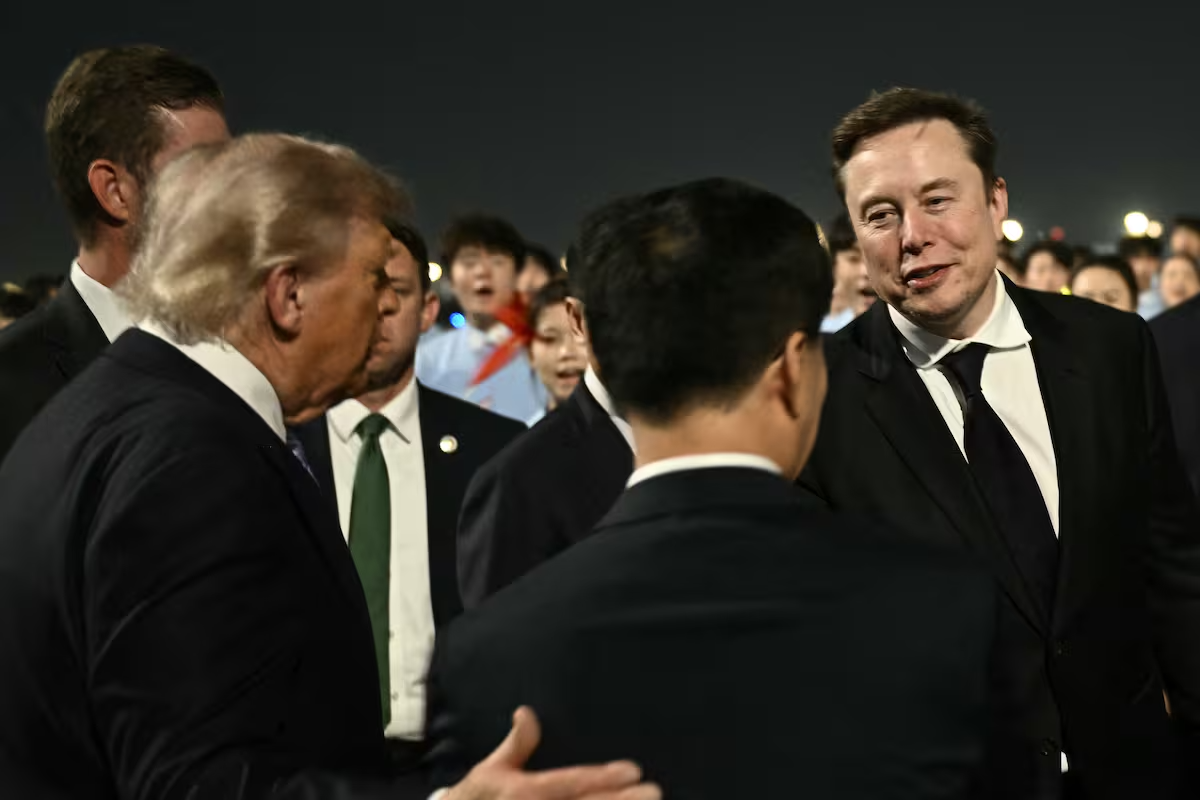
Trump landed in the Chinese capital accompanied by a powerful delegation of business leaders and tech executives, including Elon Musk and Nvidia's CEO, Jensen Huang, who joined the presidential tour during a technical stop in Alaska. The presence of key figures from the private sector reflects the economic importance of the trip and Washington's interest in improving U.S. companies' access to the Chinese market.
Before departing for Beijing, Trump indicated that one of his main objectives will be to convince Xi Jinping to ''open more of China to U.S. businesses'' and create more balanced trade conditions for American companies. For years, Trump has criticized the enormous trade deficit between the two countries and accused China of engaging in unfair practices that harm the U.S. industry.
The meetings between Trump and Xi will take place over two full days and will combine formal meetings with protocol activities aimed at strengthening the personal relationship between the two leaders. According to the White House, both presidents will hold talks in the ''Great Hall of the People'', attend an official banquet, and tour together the historic Temple of Heaven, one of China's most emblematic cultural sites and a UNESCO World Heritage site.
On Friday, a more reduced agenda is planned, with private meetings focused on trade issues, technological cooperation, and bilateral investment mechanisms.
As part of the delegation that traveled with President Trump is the businessman and former Deregulation Secretary, Elon Musk.
What topics will be discussed during the meetings between the two leaders
One of the central topics will be the continuation of the trade truce reached last October. That agreement halted a tariff escalation that threatened to seriously affect the global economy. Trump then suspended extremely high tariffs on Chinese products, while Beijing avoided restricting exports of rare earths, strategic minerals essential for industries such as battery manufacturing, semiconductors, and military systems.
Now, Washington seeks to expand U.S. exports to China, especially in sectors such as aviation, agriculture, and energy. The White House aims to boost new purchases of Boeing aircraft, agricultural products, and liquefied natural gas to reduce the bilateral trade deficit, one of Trump's main economic concerns since his first term.
In exchange, China will seek partial relief from the restrictions imposed by the United States on the export of advanced technology. Beijing demands broader access to state-of-the-art chip and semiconductor manufacturing equipment, considered key for the development of artificial intelligence and industrial modernization.
Precisely artificial intelligence will be another major focus of the discussions. Both Washington and Beijing recognize that technological competition will be decisive for the global balance of power in the coming decades. U.S. officials indicated that both sides will attempt to establish minimum dialogue channels to avoid direct confrontation in sensitive technological sectors.
One of the main objectives of the Trump administration at the summit in China will be to expand exports in various key sectors to the Asian country.
In addition to economic issues, Trump will attempt to involve China in diplomatic efforts related to Iran. Washington seeks Beijing to use its influence over the Tehran terrorist regime to facilitate a negotiated exit from the conflict and reduce tension in the Middle East.
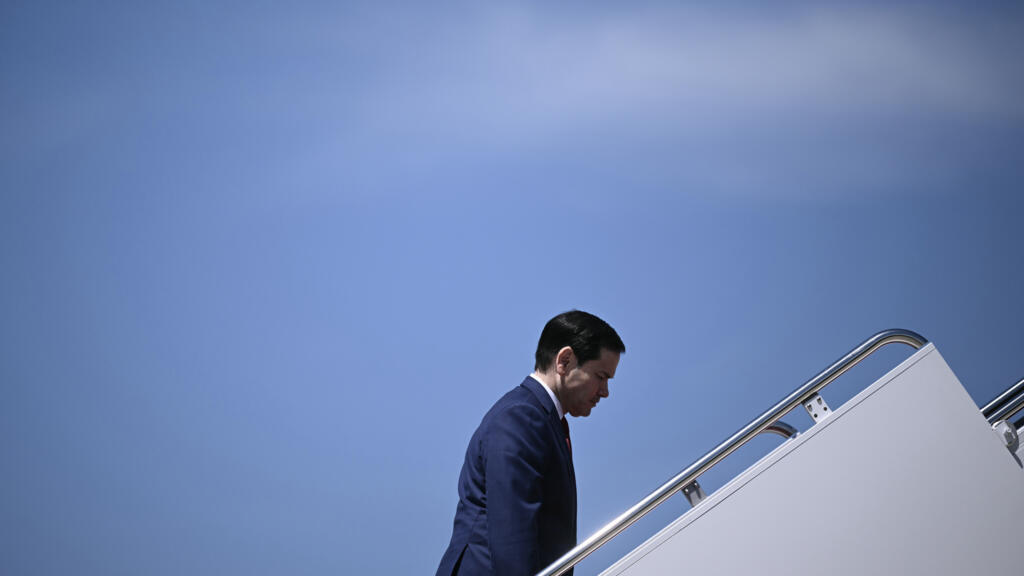
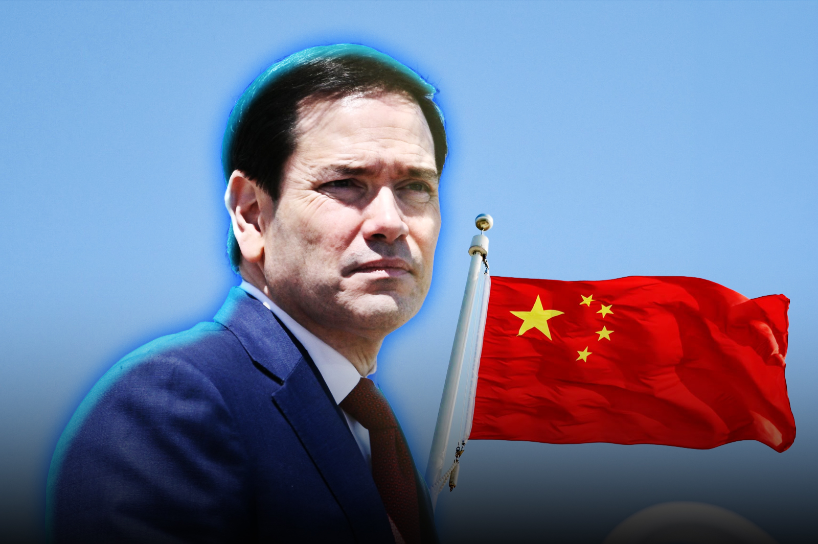
The Secretary of State, Marco Rubio, stated during the presidential trip that it is also in China's interest to avoid a prolongation of the regional crisis, as a global economic slowdown would seriously affect Chinese exports and international maritime trade.
Several analysts consider it unlikely that Xi Jinping will exert significant pressure on Iran. Beijing maintains close strategic and energy ties with Tehran and sees it as an important player to balance U.S. influence in the region.
The U.S. Secretary of State expressed his opinion on what China's role should be in the conflict with Iran.
Another sensitive topic on the agenda will be Taiwan. The Chinese government reiterated this week its rejection of U.S. arms sales to the island, while the approval of a $14 billion military package promoted by Washington remains pending.
Despite Beijing's objections, Trump maintains a firm stance regarding the United States' commitment to the defense of Taiwan. Officials close to the president assert that the White House does not contemplate making concessions on regional security in exchange for trade benefits.
Although the relationship between the two powers continues to be marked by strategic competition, the meetings between Trump and Xi represent an attempt to manage differences without moving towards open confrontation. For Washington, the main objective is to demonstrate that the United States can protect its economic and geopolitical interests while keeping negotiation channels open with its main global rival.
Another crucial issue will be the situation related to the Taiwan conflict, regarding which Trump assured that he will not back down from his position.