The former head of Microsoft and a man linked to the Epstein case stated that risks in bio, cyber, and employment have been overcome, and he proposes jobs reserved for humans and taxes on robots
Gates proposed concrete ideas to manage the transition. One is the idea of “jobs reserved for humans”: tasks that, by social agreement, could only be performed by people. This could vary from country to country and would protect positions that do not want to be ceded to machines. Another is a tax on robots and AI tokens, so that the use of systems that replace human labor generates resources to support those who are displaced.
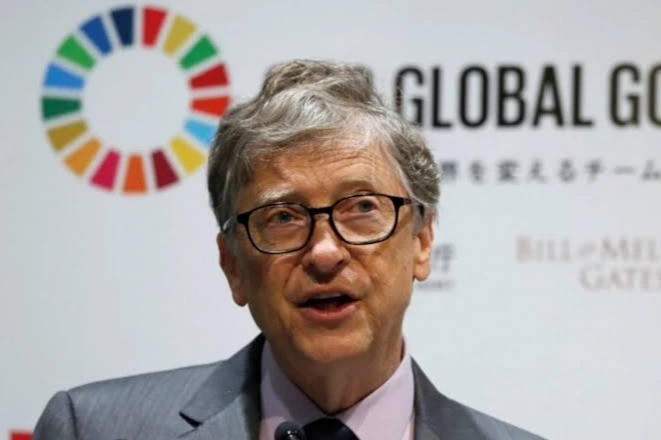
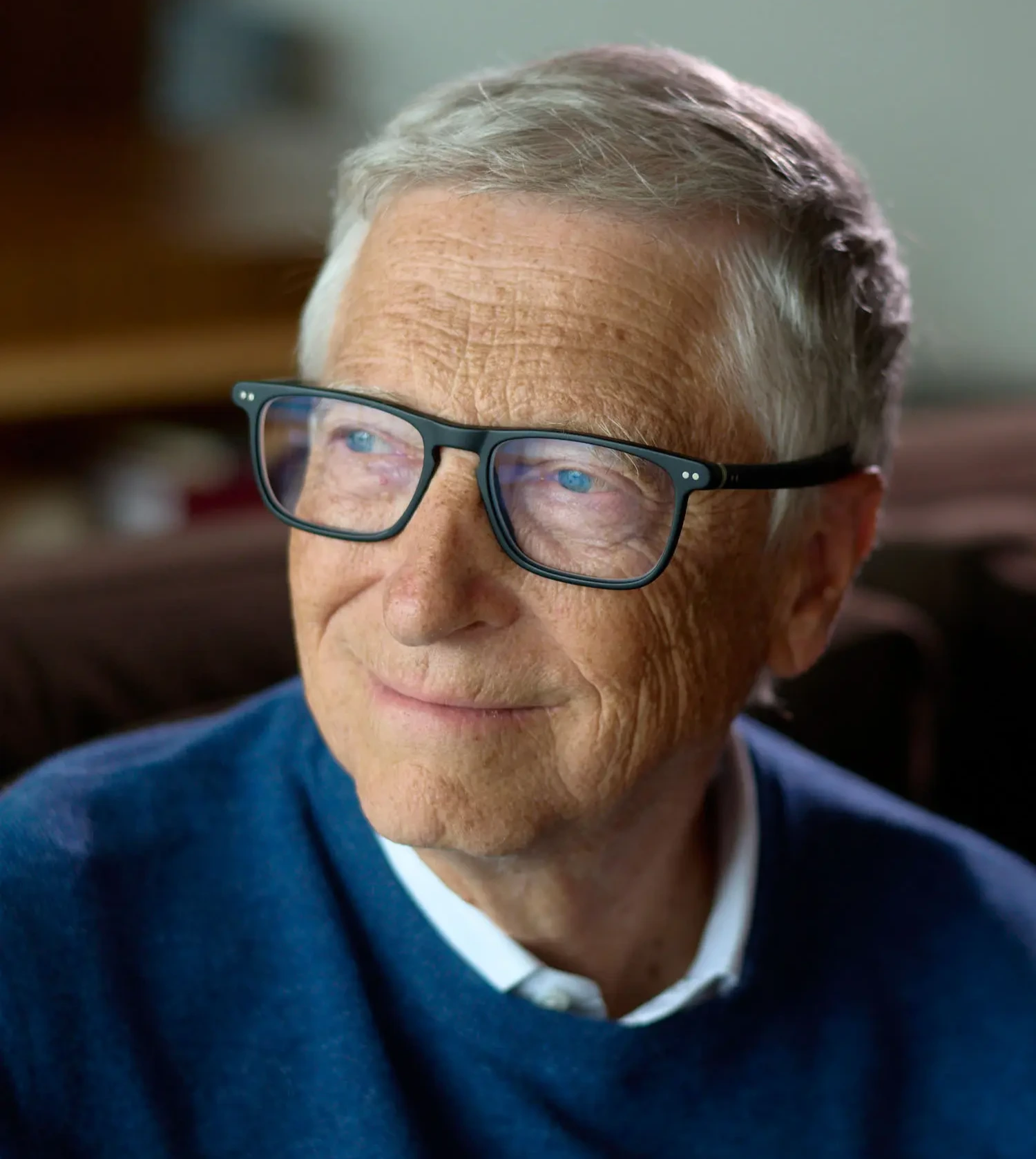
In a recent interview, Bill Gates expressed concern about the pace at which artificial intelligence is advancing. The philanthropist and Microsoft founder stated that several danger thresholds have already been crossed that, according to him, should have been controlled earlier. He spoke of biocapabilities, cyber capabilities, psychosocial effects, destruction of the labor market, and even the possible loss of control over these systems.
Gates explained that for years it was expected that as these critical points were approached, ways would be found to limit use to trusted actors or to prevent certain functions. “We have crossed the threshold in terms of biocapabilities, cyber capabilities, psychosocial capabilities, labor market destruction capabilities, and even lack of control,” he noted. He admitted to being “simply astonished” by the little concern and the lack of debate outside the tech industry.
One of the aspects that alarms him the most is the biological potential of current models. “Any model that can create new molecules should be monitored,” he stated. He compared the risk of bioterrorism to that of a natural pandemic and described it as about 50 times more terrifying and likely. This possibility has driven him to raise his voice both publicly, with a new essay, and in private conversations with leaders from government, industry, and civil society.
At the same time, he acknowledged that AI brings concrete benefits. He highlighted advances in agriculture, healthcare, and education, and the potential to reduce bureaucracies. Over time, he said, a stage of abundance will be reached. But before that, there will be turbulence, and a lot of it.
He insisted that this revolution is different from previous ones. In the past, technologies did not result in a net reduction of jobs. Now, however, human cognition can be replaced in a very high percentage of white-collar jobs, across many industries at once, at a low cost and with error rates that could be lower than human ones. Current statistics, he warned, are misleading.
He also rejected certain forms of protest. Stopping data centers in a single country would not solve anything, because they are built all over the world. “If you are concerned about AI, going to a protest at a data center is not the most effective way to start the debate on how we minimize these negative aspects,” he said.