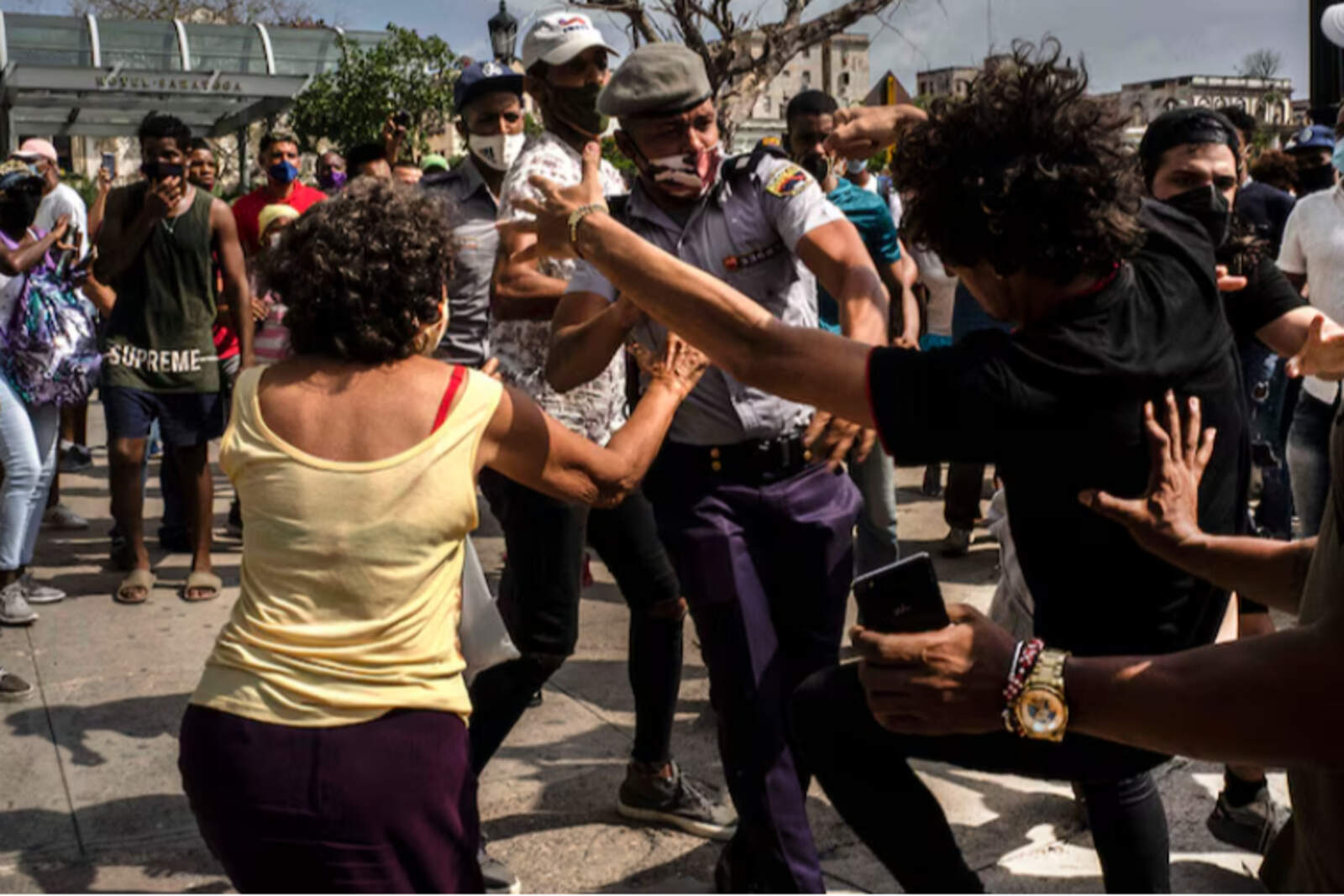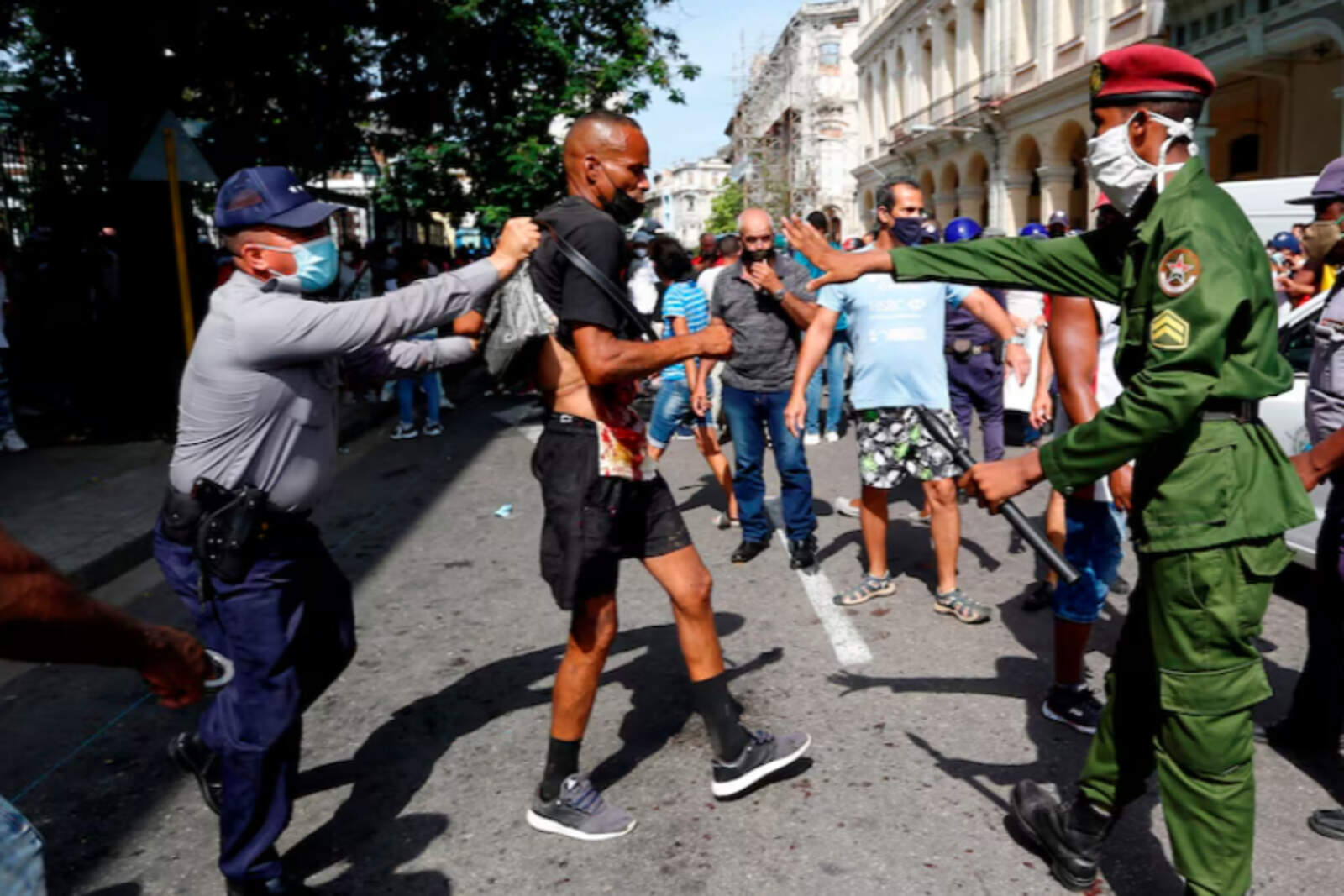

Cuba has become the country with the most convictions for arbitrary detentions issued by the United Nations Working Group on Arbitrary Detention (WGAD) since 2019, according to a report released by Prisoners Defenders. The international body issued two new rulings covering 49 people imprisoned after the mass protests of July 11, 2021, bringing the total to 93 cases in the last six years, even surpassing Egypt, which ranks second with 73.
The rulings conclude that the detainees were imprisoned for political and ideological reasons, without guarantees of due process, without technical defense, and subjected to enforced disappearances, torture, and serious human rights violations. The Working Group demanded their immediate release and criminal exoneration, in addition to compensation for the damages suffered.
Repression as State policy
The report highlights a pattern that sets Cuba apart from the rest of the world: while most countries present individual cases, the Cuban system operates through mass detentions. In the last 20 months, three UN rulings included 66 people, showing that repression is not an isolated phenomenon, but a structural one.
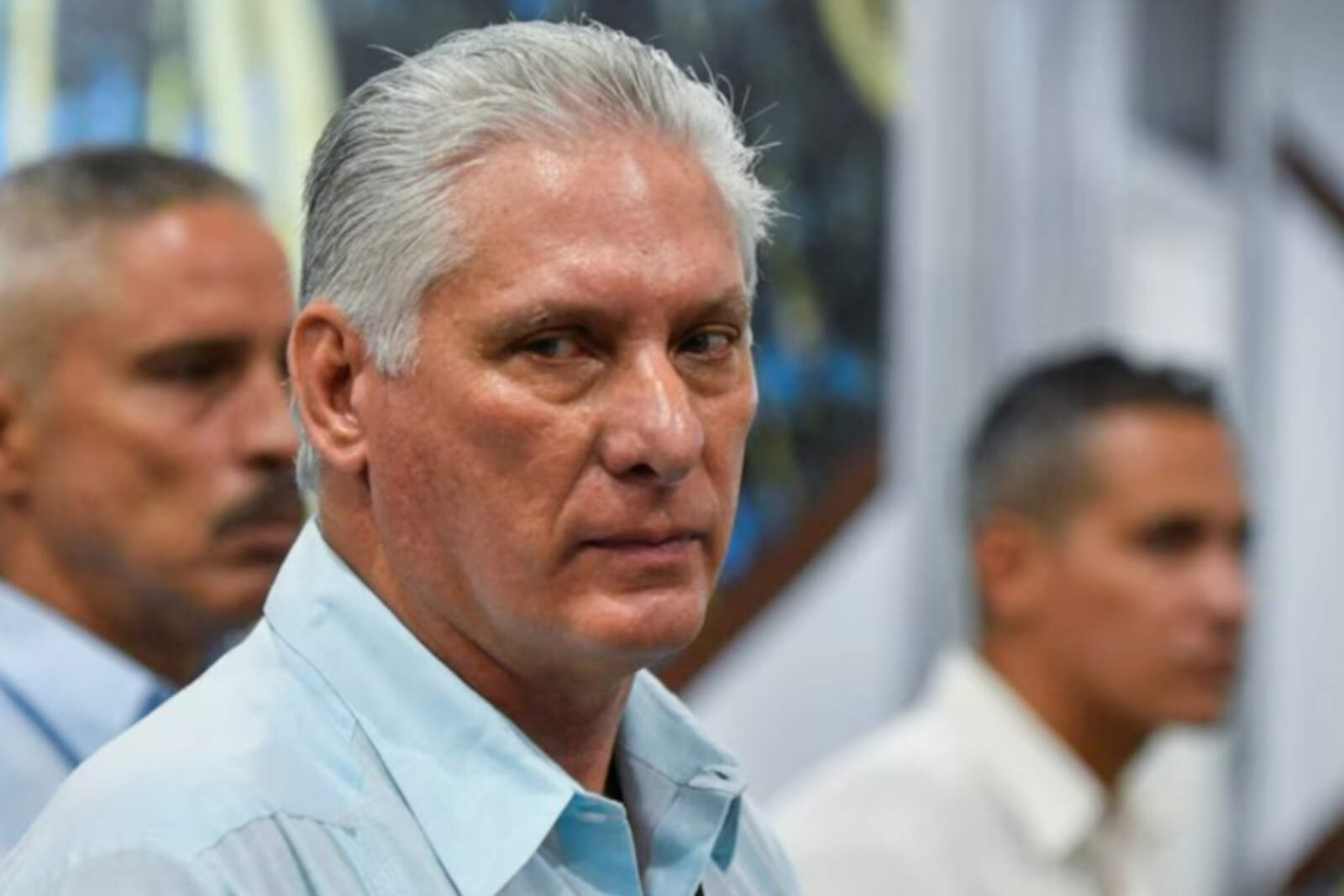
According to Prisoners Defenders, Cuba has the highest average number of people detained per WGAD resolution in the world, with more than five affected per ruling. Between 2019 and 2025, the imprisonments were linked to the exercise of essential rights such as freedom of expression, peaceful protest, religious freedom, and civic participation.
Furthermore, the proceedings lacked any legal guarantees: absence of independent defense, prolonged incommunicado detention, use of vague and disproportionate charges, and enforced disappearance as a systematic tool of intimidation.
Prison as an instrument of social control
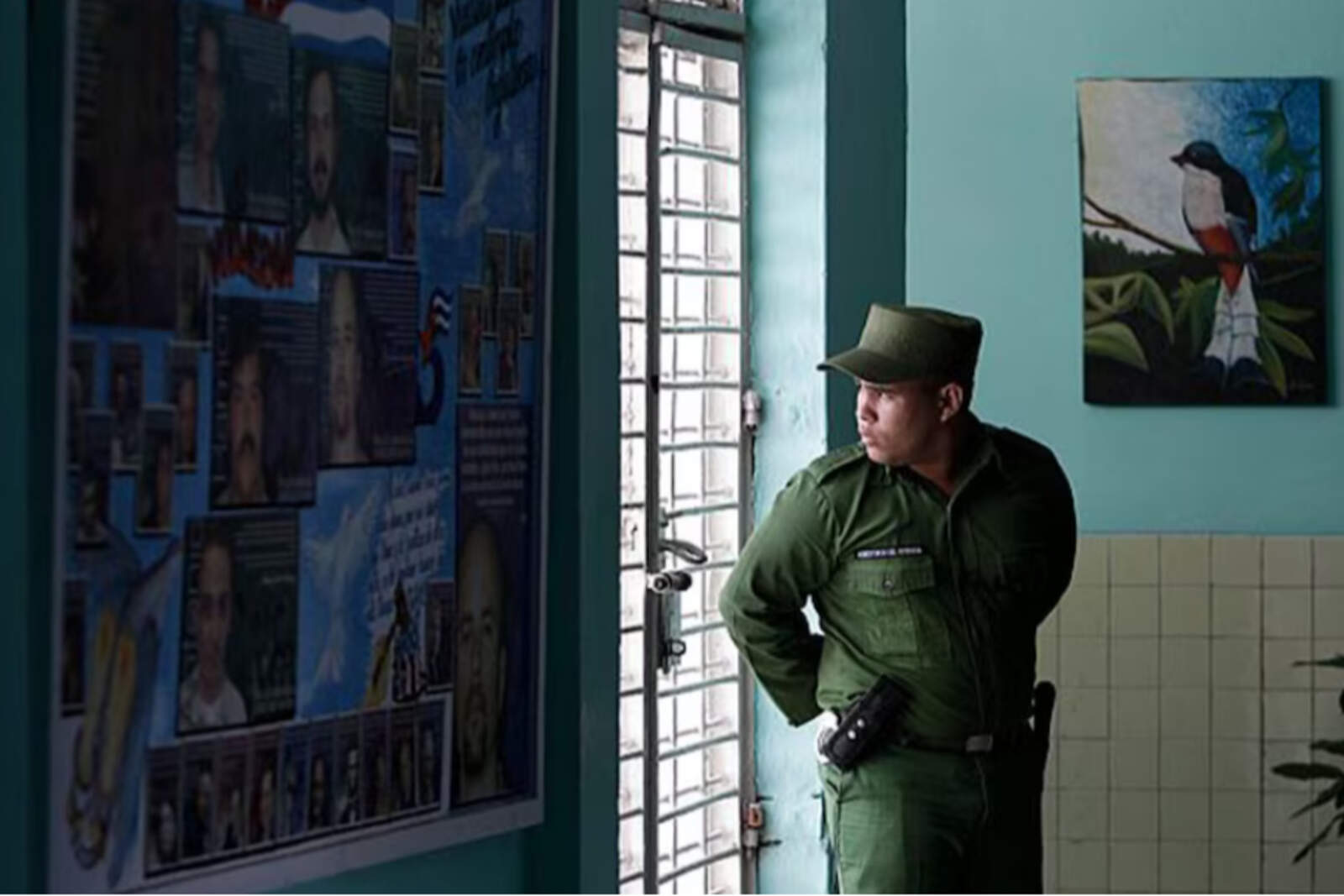
WGAD determined that the Cuban penal system operates as a state mechanism of social control that extends beyond political dissent. It affects religious communities, neighborhood associations, civil organizations, and entire families. Its purpose is to dismantle social networks, limit citizen action, and send a message of fear to the rest of the population.
In ruling 46/2025, the body analyzed the case of 16 detainees—many linked to the Association of Free Yorubas of Cuba—who participated in the 11J protests. None were informed of the reasons for their detention, there were no judicial orders or communication to their families, and all remained incommunicado for days or weeks.