A report from the Cuban Prisons Documentation Center documents torture, medical negligence, and deaths in state custody in Cuba
Compartir:
The new report from the Cuban Prisons Documentation Center (CDPC) starkly exposes what Castroism tried to hide for decades: the Cuban state's repressive machinery continues to operate with the same brutality with which the communist dictatorship was born.
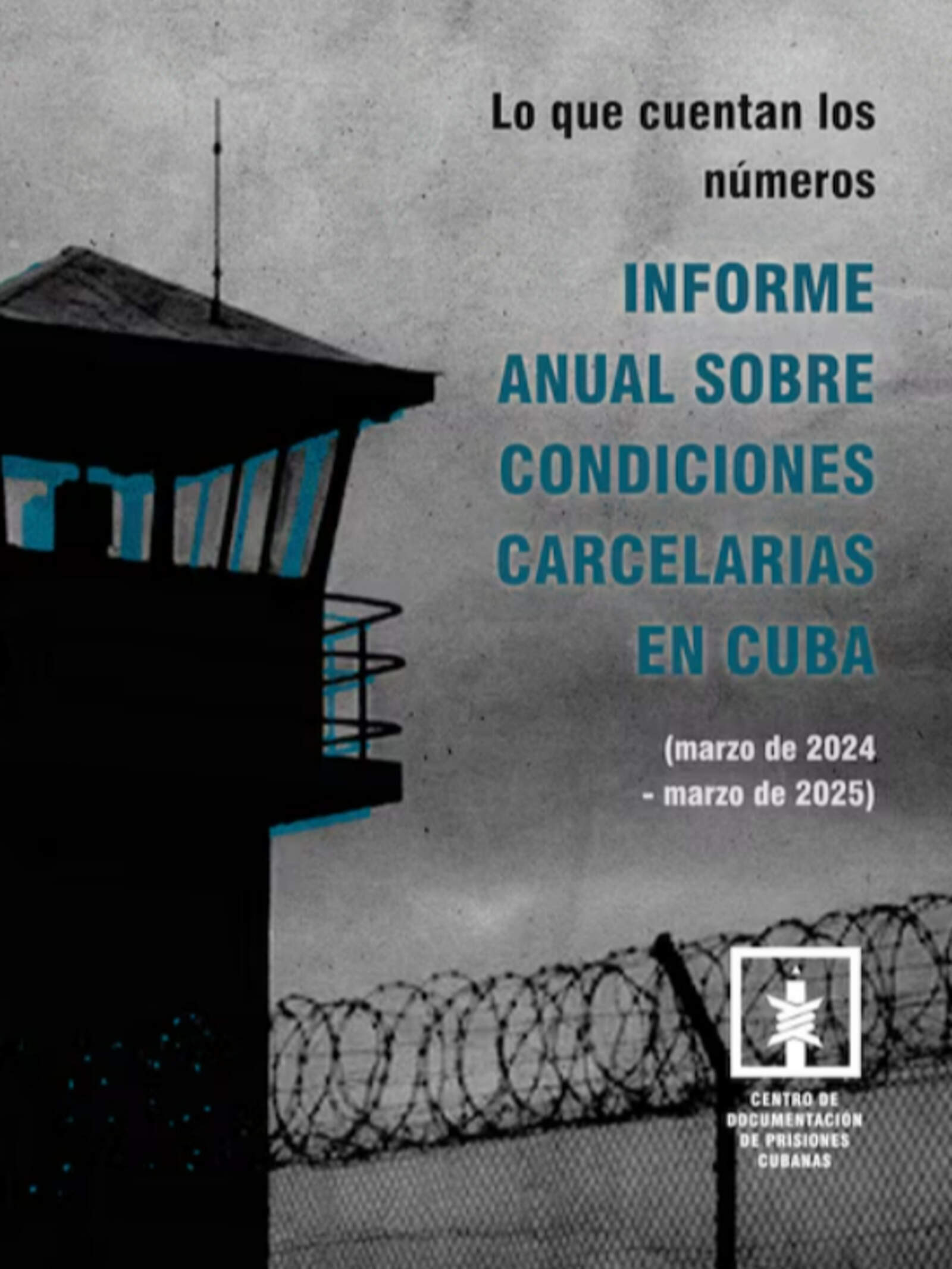
La portada del informe del Centro de Documentación de Prisiones Cubanas
Between March 2024 and March 2025, CDPC recorded 1,858 abuse events in the island's prisons. Of these, 1,330 are human rights violations, a figure that reveals a prison system built to break detainees physically and psychologically.
The report identified 60 deaths in state custody, all due to lack of medical care, malnutrition, and physical torture. Almost none were investigated. Impunity is total.
Communist tortures: "cama turca," "bicicleta," and "shakiras"
The document details the torture methods used by regime authorities. Among the most frequent are the "cama turca," which consists of immobilizing prisoners in a fetal position for days, and "la bicicleta," a practice that forces them to walk hunched over with their hands handcuffed behind their backs.
El estudio, basado en la verificación de casos en un contexto de opacidad informativa total, identificó muertes y métodos de tortura.
It also documents the prolonged use of so-called "shakiras," chains that immobilize hands and feet and prevent eating or personal hygiene. There are records of up to three years of confinement in punishment cells, extreme overcrowding, contaminated water, and decomposing food.
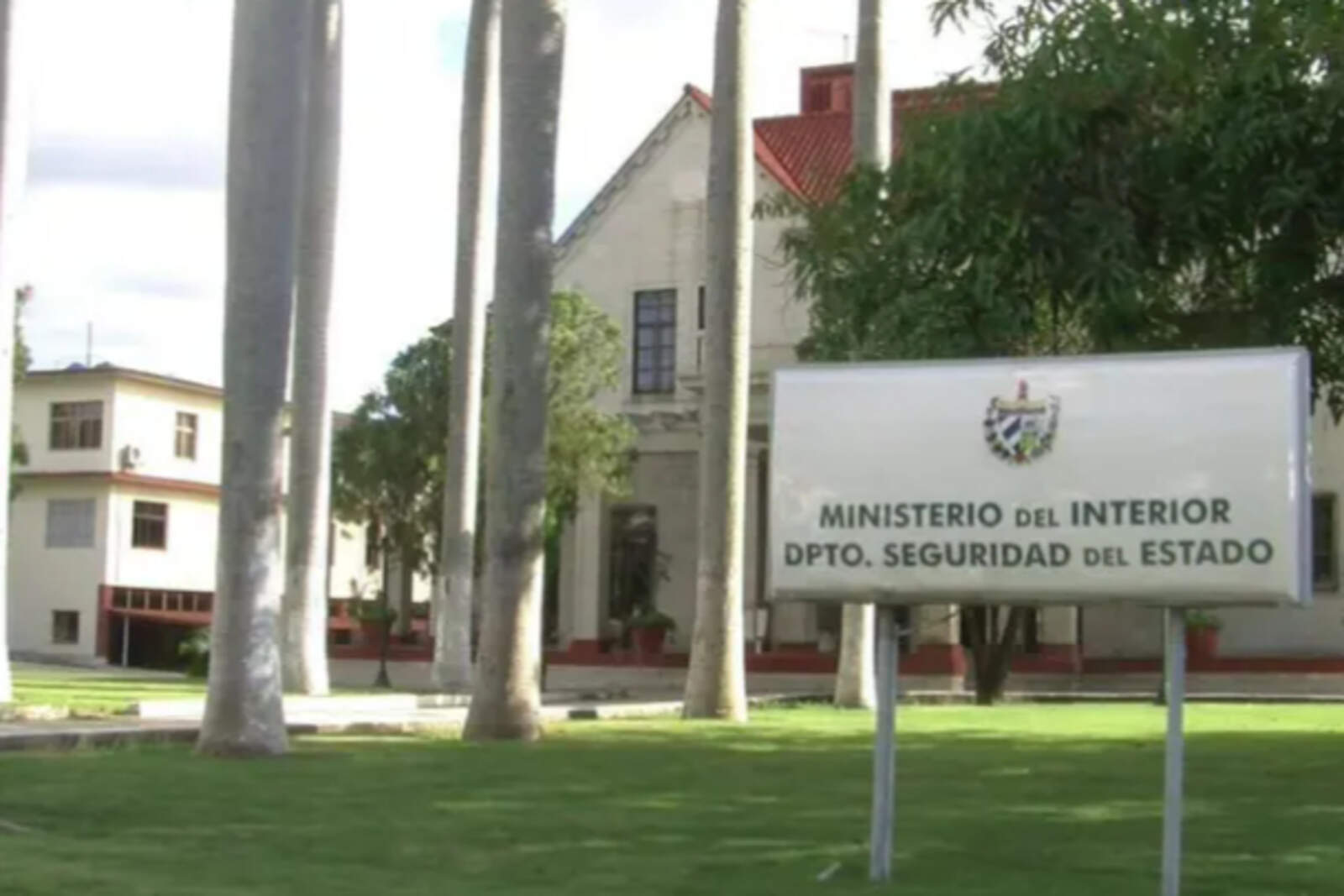
These practices, worthy of a concentration camp, are carried out under the direct supervision of the Cuban Ministry of the Interior, controlled by the Communist Party.
Hunger as a method of political control
Malnutrition is widespread. Inmates depend on minimal rations and on relatives who often can't even access the prisons. Testimonies describe extreme weight loss, untreated illnesses, and deaths from starvation.
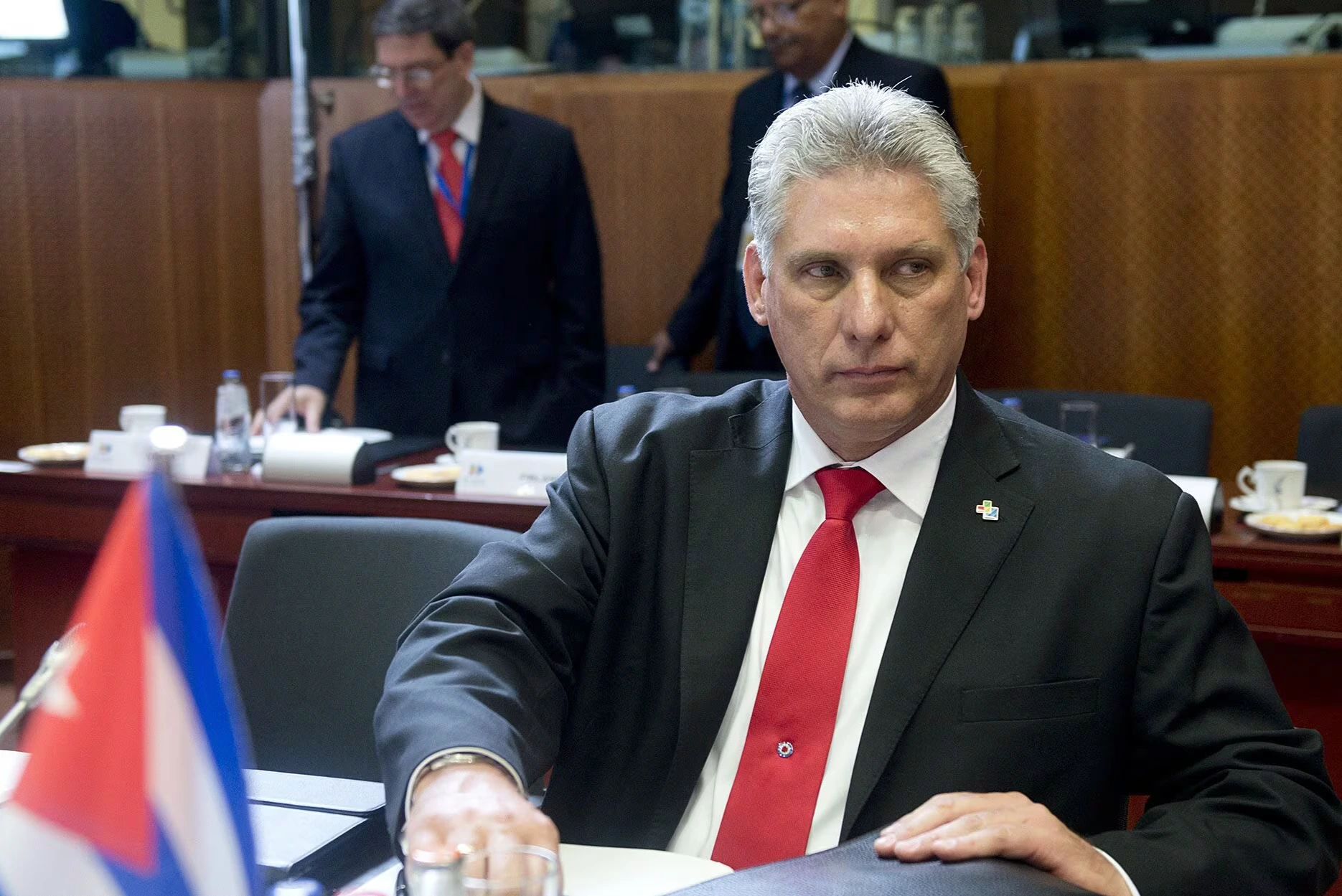
Estado cubano complice de los abusos
In an extreme case, a female prisoner had to extract her own wisdom teeth without anesthesia or instruments after authorities refused to provide medical care. Medical torture is another tool of punishment in the system.
CDPC warns that forced labor remains a common practice. Prisoners are forced to work long hours without pay or for symbolic payments, under threat of losing prison benefits.
Persecution is even fiercer against political prisoners, at least 329 of the identified cases. They are subjected to prolonged isolation, total censorship, and physical or psychological violence.
A system of structural impunity
The report denounces that the Attorney General's Office and CLEP (Department of Legality Control in Penitentiary Establishments) are agencies subordinated to political power. There is no judicial independence or real oversight mechanisms.
The Ministry of the Interior concentrates all supervisory and punitive functions, eliminating any procedural guarantees. There is no updated prison regulation or transparency in internal rules. Arbitrariness is the norm.
Despite the evidence, international organizations and progressive NGOs maintain a complicit silence. Cuba continues to participate in human rights forums while imprisoning, torturing, and killing dissidents.
It is interesting to note that while leftist governments such as Nicaragua or Venezuela replicate the same repressive model, much of the international community prefers to look the other way. In the name of "anti-imperialism," the crimes of regimes that have turned their prisons into centers of human extermination are justified.
Camila Rodríguez's words
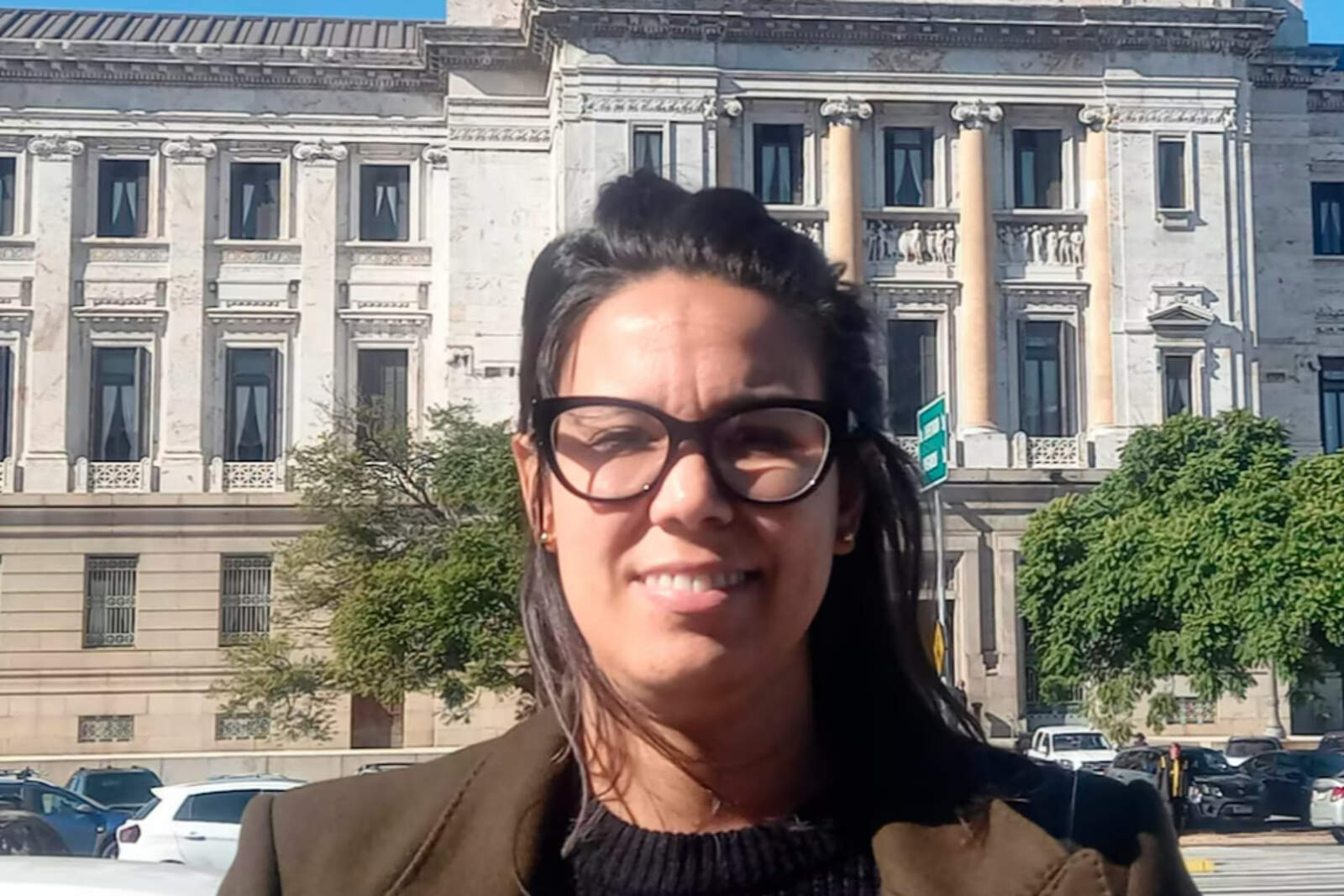
Camila Rodríguez, activist and co-author of the report, told Infobae that "these are heartbreaking stories." She said that the team had to "pause and support each other to move forward" given the magnitude of the abuses.
Camila Rodríguez, activista y coautora del informe del CDPC
Rodríguez explained that "although our reach is limited, we trust in these materials that not only present figures but also show the stories and facts as objectively as possible."
CDPC's report constitutes an exhaustive X-ray of a prison system marked by institutional violence, impunity, and the systematic denial of essential rights.