The pilot, who is reportedly of Peruvian nationality, may have attempted to land on a clandestine runway
Compartir:
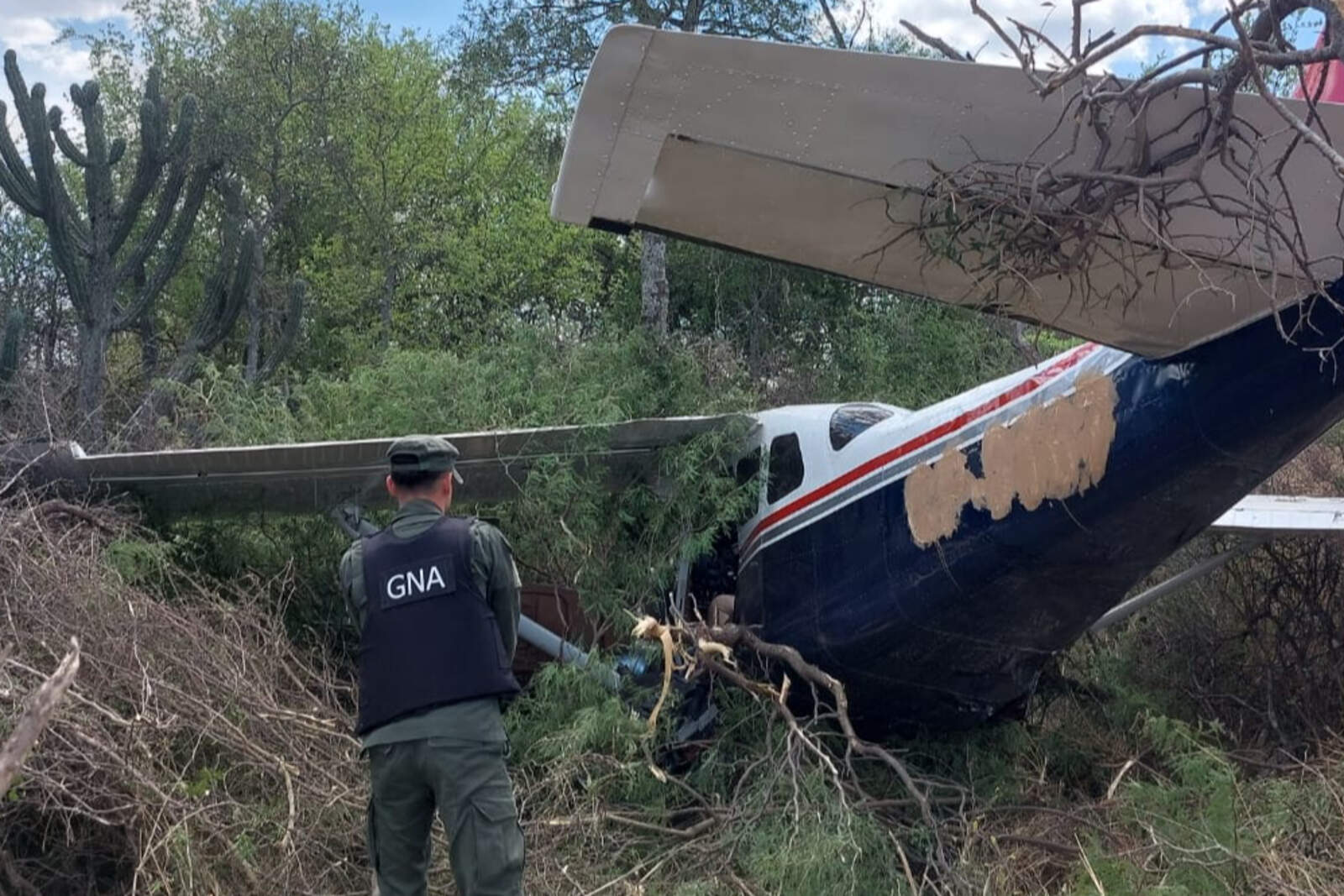
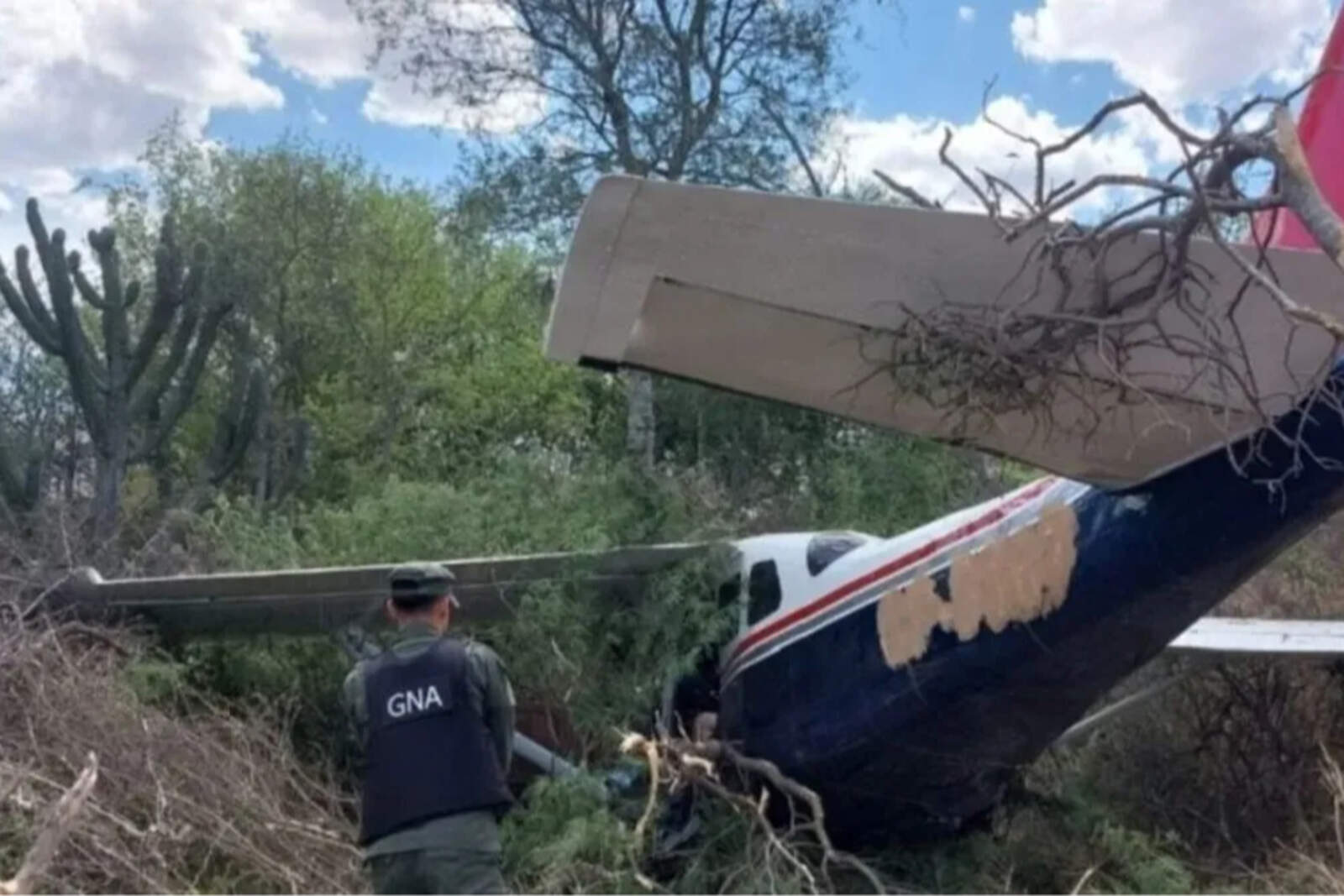
This Tuesday, a Bolivian aircraft carrying over 140 kilograms (308 pounds) of cocaine crashed in a remote rural area located in the San Felipe area, in Rosario de la Frontera, Salta.
The incident occurred within the boundaries of the Anahí estate, near provincial route No. 3, and was recorded by one of the neighbors, who managed to film with his cell phone the moment the Cessna crashed to the ground.
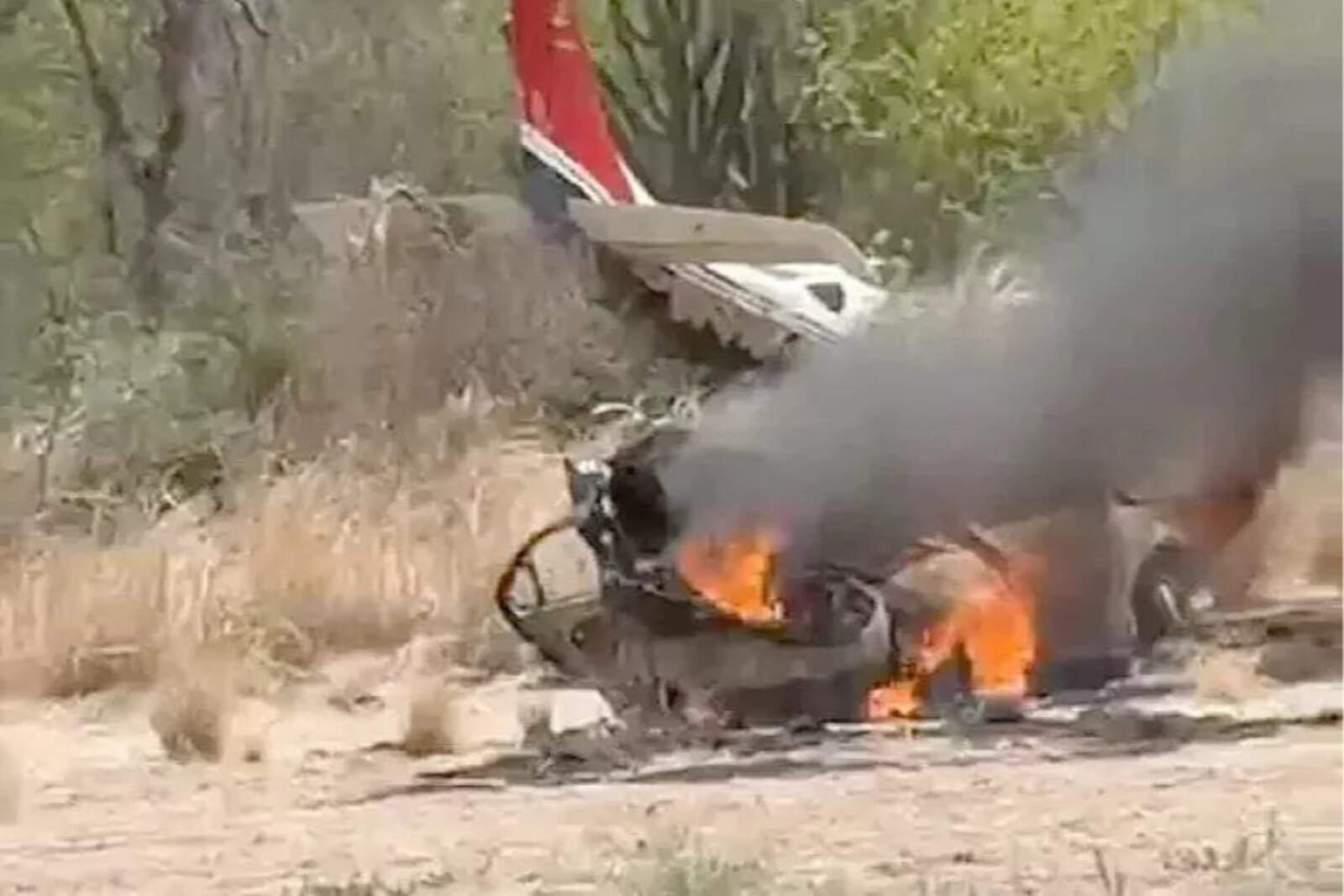
According to sources involved in the case, upon arriving at the scene, National Gendarmerie officers found the remains of the Bolivian narco plane next to a completely burned-out car, in what is presumed to have been an attempt to destroy evidence.
El avión narco boliviano.
The owner of the vehicle later turned himself in to the authorities and was detained for 72 hours by order of federal prosecutor Eduardo Villalba. Investigators suspect that he may have links to the operation, due to his proximity to the accident site.
Local residents stated that they saw the plane's occupants manage to escape in pickup trucks, taking with them two backpacks loaded with around 100 kilograms (220 pounds) of cocaine.
Reportedly, the pilot, who was allegedly of Peruvian nationality, had tried to land on a clandestine airstrip in the Almirante Brown area, although the descent ended in the accident. It is presumed that the vehicles waiting on the ground were intended to transport the drugs to a storage point.
During the inspection, the gendarmes found items of interest for the investigation, including a GPS tracker, a satellite tracking and location device that was seized and made available to the prosecutor's office.
El auto incendiado.
Investigators believe that the aircraft was being monitored by the criminal organization responsible for trafficking from Bolivia or possibly by security forces from that country. So far, Bolivian police have not reported any related operation.
The presence of a Starlink satellite antenna, which provides high-speed internet access in remote areas, was particularly noteworthy. Investigators estimate that it was used to maintain constant communication during the flight. Eight 20-liter (5.3-gallon) and three 50-liter (13.2-gallon) fuel cans were also seized, suggesting that the group planned for the plane's return once the unloading was completed.
Some sources point to a clan based in Salvador Mazza, on the border with Bolivia, which reportedly owns several businesses and a soccer club participating in the regional Salta tournament. According to Gendarmerie, the aircraft had already been detected hours before the incident as part of an ongoing investigation into illegal flights in the border region.