The judicial apparatus aligned with Lula and Moraes is carrying out the greatest act of political persecution in Brazilian democracy: the definitive imprisonment of Jair Bolsonaro
The situation worsened on Saturday, when Bolsonaro was taken into preventive custody at the Federal Police headquarters. This detention, unrelated to the alleged coup case, was based on the suspicion that he had attempted to tamper with his electronic monitor using a thermal tool. Bolsonaro himself claimed a state of "mental confusion due to medication" administered to treat his persistent hiccup episodes, a consequence of the aftereffects of the 2018 knife attack.
He denied any attempt to escape, but Moraes even used a religious vigil organized by his son, Flávio Bolsonaro, as an argument to keep him in custody, alleging a risk of obstruction. He also mentioned the proximity of his residence to the United States embassy, a suggestion bordering on the absurd.
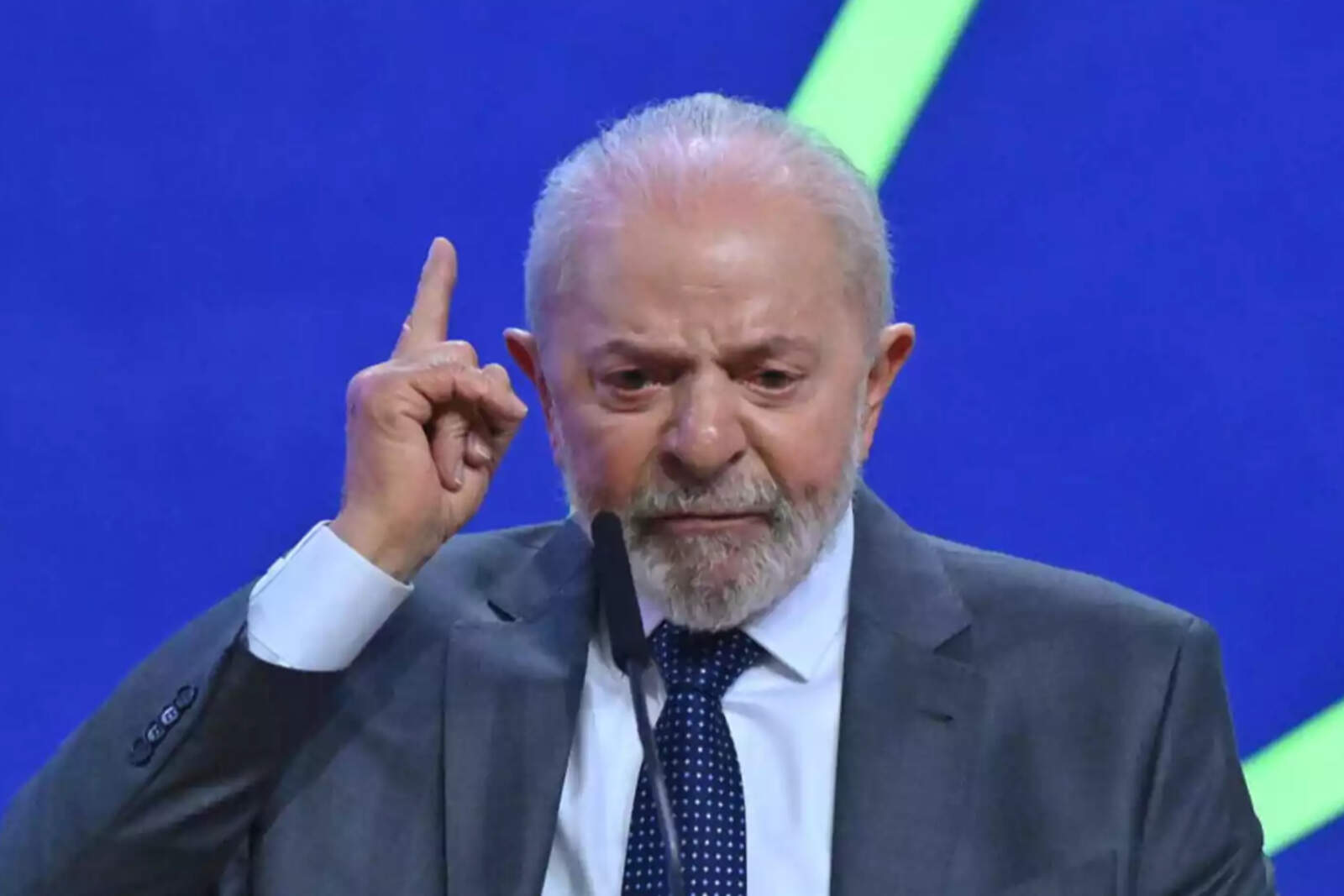
El dictador, Lula Da Silva.
The court has not yet ruled on the defense's request for him to serve his sentence under house arrest for health reasons, although Bolsonaro had already spent more than one hundred days under electronic surveillance for another case investigating his political contacts in the United States after the electoral defeat. Even so, the First Chamber upheld the preventive detention, insisting that Bolsonaro "acted knowingly" when tampering with the monitor.
What emerges is a pattern: meanwhile, Lula, previously convicted of receiving bribes, was released after 580 days and saw his convictions annulled, Bolsonaro faces the utmost severity at every stage. The institutions are not judging facts; they are destroying an adversary. As happens in every debased democracy, the line between justice and persecution has become blurred.
The Supreme Court, dominated by Justice Alexandre de Moraes, has definitively upheld the sentence of 27 years and 3 months in prison against former president Jair Bolsonaro, closing all avenues of appeal and ordering him to serve his sentence at the Federal Police Superintendency in Brasília. The ruling, which reached its "res judicata" stage, makes the sentence unappealable and deepens the perception of a justice system essentialized in the service of Lula da Silva's dictatorial project.
The official narrative claims that Bolsonaro led a "coup plot" to prevent Lula from taking office after the 2022 elections. However, the historical reality is completely different. Bolsonaro peacefully transferred power on December 31, 2022, traveled to Orlando, rented a house, and planned to take his grandchildren to Disney World, while Lula assumed on January 1 full control of all security forces. Eight days later, and with Bolsonaro out of the country, a "coup" was reported based on the entry of protesters into empty buildings on a Sunday afternoon. Far from promoting the protest, Bolsonaro condemned it in real time.
Jair Bolsonaro.
The accusation—a "coup without weapons, without a chain of command, without any possibility of success"—was turned into judicial dogma by Moraes. No serious jurist could describe that episode as an attempt to seize power, but the court moved forward relentlessly. In September, the First Chamber sentenced Bolsonaro and seven associates for allegedly organizing a structure intended to overturn the election results and even considering violent actions. The sentence: 27 years for Bolsonaro, 24 for former Justice Minister Anderson Torres, and 16 for former Brazilian Intelligence Agency director Alexandre Ramagem.
The decision not only erases any presumption of innocence: it also disqualifies Bolsonaro for life, eliminating Lula's main rival for 2026. The Court clarified that no appeals are possible when there are no votes in favor of acquittal, as occurred in this trial. The line is clear: the judicial system has decided to eliminate the country's main political opponent.