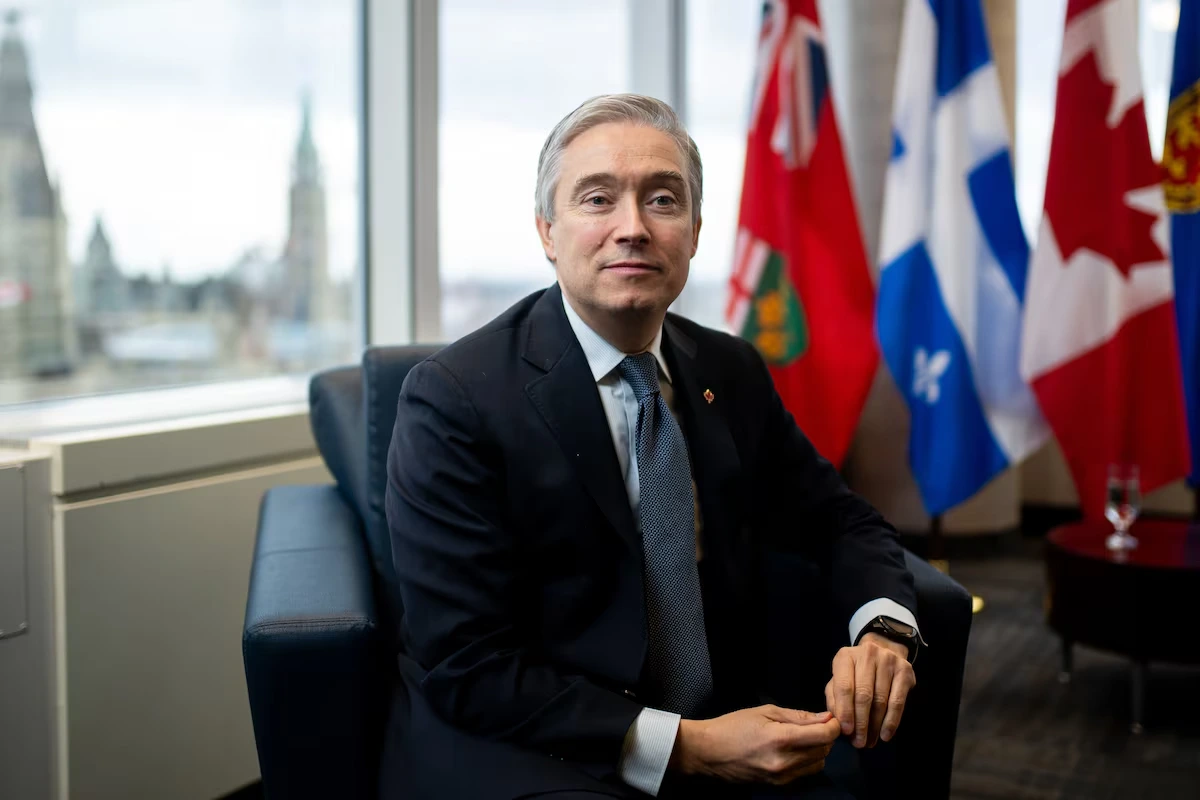
Canada announced a new round of retaliatory tariffs against hundreds of U.S. products worth CAD 27.6 billion (USD 19.9 billion), deepening the trade dispute with Washington and exposing Canadian consumers and businesses to higher costs. The new measures, announced on August 25 by Finance Minister François-Philippe Champagne, will take effect on September 8.
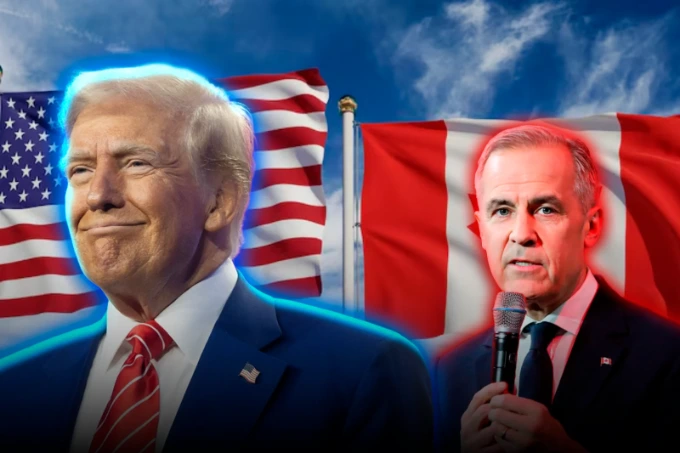
Ottawa presents the decision as a proportional response to U.S. tariffs, but the measure also reflects the growing difficulty of Prime Minister Mark Carney's government to resolve a dispute with its main trading partner. The United States imposed a 50% tariff on approximately USD 20 billion in Canadian exports on August 22, equivalent to about 5% of Canada's sales to the U.S. market.
Champagne announced that the new Canadian levies will have rates of 15%, 25%, and 50%, depending on the product. The highest tariffs will affect certain dairy products, cosmetics, and some wood products. Additionally, tariffs on U.S. steel and aluminum will increase from 25% to 50%.
Canada imposed new tariffs against the United States and risks escalating trade tensions with the Trump administration
The Canadian response could end up harming the country's own economy. Although the government claims that many of the affected products can be replaced by domestic alternatives, substituting U.S. imports does not necessarily eliminate additional costs. Canadian companies that rely on U.S. components, raw materials, or goods could pass those increases on to consumers, reduce investments, or face greater difficulties in competing.
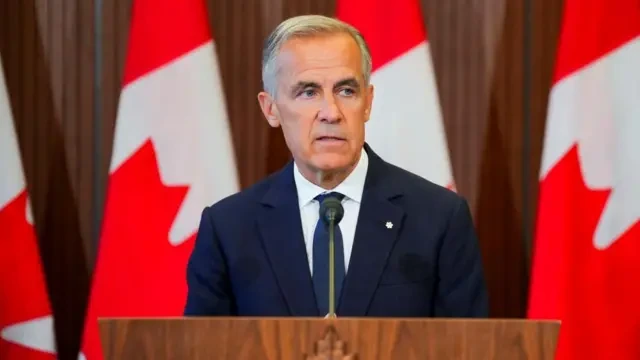
The decision also partially contradicts Carney's own warnings. The Prime Minister acknowledged on August 24 that a dollar-for-dollar retaliation would be difficult to sustain because the U.S. economy is much larger than Canada's. Therefore, he had advocated for a strategy of more selective measures.
However, his government ended up announcing a broad response. Industry Minister Mélanie Joly admitted that some products were deliberately selected to exert political pressure on certain U.S. states. She also urged Canadian citizens to buy domestic products as part of an economic resistance campaign.
This strategy may be politically appealing, but it increases the risk that the trade dispute will drag on. Instead of focusing solely on reaching an agreement with Washington, Ottawa is using tariffs as a pressure instrument, while the United States has made it clear that it is willing to respond.
The Canadian Finance Minister warned that the tariffs will come into effect on September 8 and the rates will range from 15% to 50%
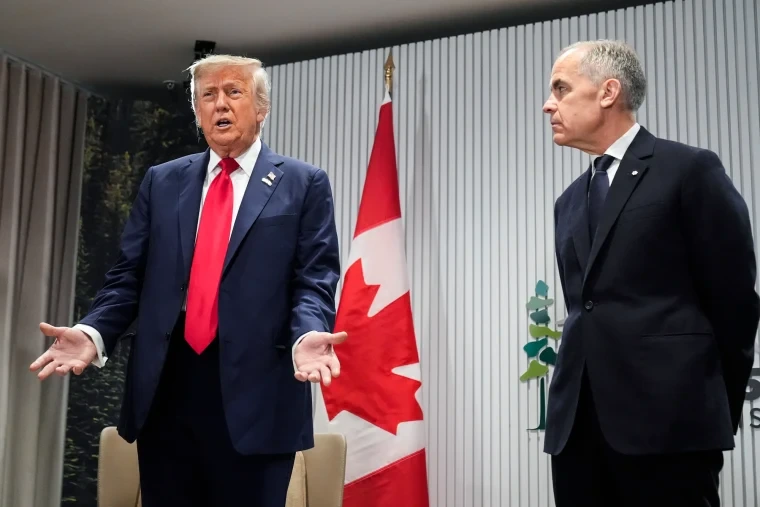
President Donald Trump announced that starting in 2027, the United States will impose new 50% tariffs on Canadian cars, trucks, and auto parts, which currently face a 25% tariff. The White House accused Canada of having harmed the United States for decades and stated that Washington had offered favorable trade conditions before the negotiations failed.
One of the most sensitive points is the automotive sector, due to the deep integration of supply chains between both countries. New tariffs could affect manufacturers, suppliers, workers, and consumers on both sides of the border, but Canada, with a considerably smaller economy, may have less capacity to absorb a prolonged trade war.
Ottawa also announced a CAD 7.5 billion aid package for affected businesses and workers. The program includes loans, financing, subsidies, support for small businesses, and expansions of employment insurance. Although these measures aim to cushion the impact, they represent a significant fiscal effort to offset the consequences of a trade policy that threatens to raise costs.
President Donald Trump announced that he will impose tariffs on Canadian automotive manufacturing starting in 2027
The failure of the negotiations on August 21 also exposed significant political differences. Carney blamed last-minute changes from Washington related to trucks, French protection laws, and international trade agreements. The White House rejected that version and claimed that it was Ottawa that backtracked on previously made commitments.
Meanwhile, Conservative leader Pierre Poilievre promised to collaborate against U.S. tariffs but criticized the leftist government for not revealing the details of the agreement that Carney rejected. He also called for tax cuts, a temporary suspension of gasoline taxes, and the elimination of the industrial carbon tax.